

How to Stop Dog From Shedding: A Practical, Vet-Smart Guide for a Cleaner Home
If you have ever put on black pants and immediately found a layer of dog hair on them, you are not alone. Shedding is one of the most common challenges dog parents face. The honest answer is that you cannot completely stop a healthy dog from shedding, because shedding is a natural part of coat renewal. But you can reduce loose fur dramatically, support a healthier coat, and keep your home much cleaner with the right routine.
At PetNest Home, we help pet parents manage fur in a simple, eco-friendly way using reusable grooming and hair removal tools. This guide explains how to stop dog from shedding as much as possible, what causes excessive shedding, and which daily habits make the biggest difference.

First: Is Dog Shedding Normal?
Yes, dog shedding is normal. Dogs naturally lose old or damaged hair so new hair can grow. Some breeds shed lightly all year, while others “blow” their coat seasonally, especially in spring and fall.
However, shedding may be considered excessive if you notice bald patches, irritated skin, constant scratching, flaky skin, a sudden coat change, or hair loss that seems unusual for your dog. In those cases, it is best to speak with your veterinarian. Conditions such as allergies, parasites, thyroid issues, skin infections, stress, and poor nutrition can all affect coat health. For a helpful overview, PetMD offers guidance on why dogs shed and when shedding may be a concern.
Common Reasons Dogs Shed More Than Usual
Before choosing a solution, it helps to understand what may be causing the extra fur around your home.
- Seasonal coat changes: Many dogs shed more heavily when the weather changes.
- Breed and coat type: Double-coated breeds such as Huskies, German Shepherds, Golden Retrievers, and Corgis often shed more.
- Poor grooming routine: Loose fur builds up when dogs are not brushed regularly.
- Diet and hydration: A poor-quality diet can lead to dry skin and dull coat condition.
- Allergies or skin irritation: Food, fleas, pollen, and household products can trigger scratching and hair loss.
- Stress: Changes in routine, moving, or separation anxiety may increase shedding.
- Medical issues: Hormonal imbalances, parasites, and infections can cause abnormal shedding.
How to Stop Dog From Shedding So Much: 10 Real-World Tips
1. Brush Your Dog Consistently
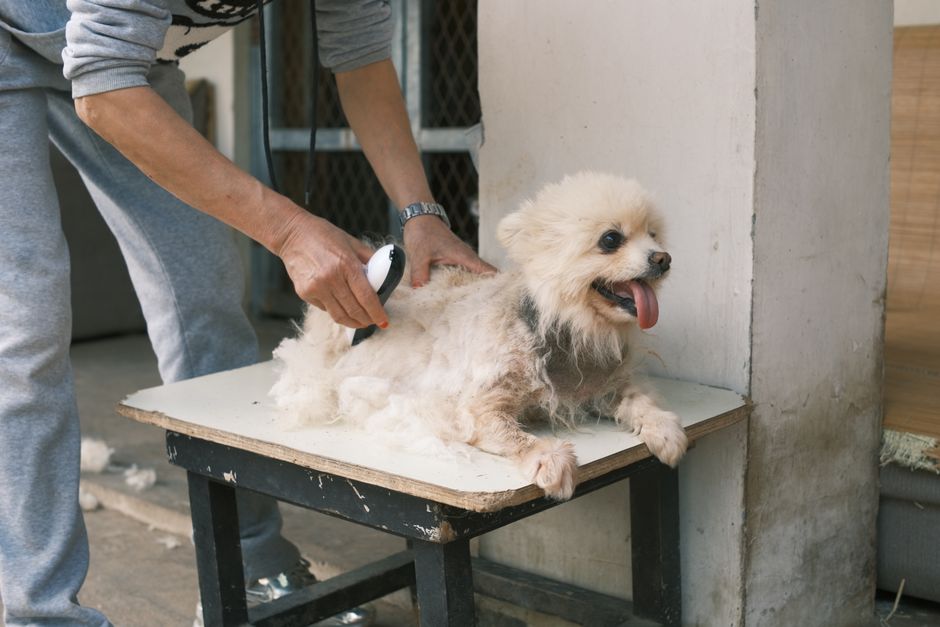
Regular brushing is the most effective way to control shedding at the source. Instead of waiting for fur to fall onto your couch, carpet, clothes, or car seats, remove loose hair before it spreads around your home.
For many dogs, brushing two to four times per week is enough. Heavy shedders may need a quick grooming session every day during seasonal coat changes. Keep sessions gentle and positive. Offer praise, treats, and breaks if your dog is nervous.
A grooming glove is especially helpful for dogs that dislike traditional brushes. It feels more like petting, which makes the routine easier to maintain. PetNest Home’s reusable pet hair cleaning and collection gloves pet double sided multi functional beauty glove tool reduce the pressure of pet ownership are designed to collect loose fur while massaging your dog’s coat.
2. Choose the Right Grooming Tool for Your Dog’s Coat
Not every brush works for every coat. A short-haired Beagle needs a different approach than a fluffy Samoyed. Using the wrong tool can be ineffective or uncomfortable.
| Dog Coat Type | Best Grooming Approach | Suggested Frequency |
|---|---|---|
| Short, smooth coat | Grooming glove or soft bristle brush | 2–3 times weekly |
| Double coat | De-shedding glove, undercoat rake, gentle slicker brush | 3–5 times weekly, daily during shedding season |
| Long coat | Comb, slicker brush, detangling routine | Several times weekly |
| Curly or low-shed coat | Comb and professional grooming to prevent mats | Weekly brushing, scheduled trims |
3. Bathe Your Dog, But Not Too Often
A good bath can loosen dead hair and remove dirt, dander, and allergens from the coat. However, bathing too often can strip natural oils and make skin dry, which may worsen shedding.
Most dogs do well with a bath every four to eight weeks, depending on their coat, lifestyle, and skin health. Active dogs that roll in mud may need baths more often, while dogs with sensitive skin may need a vet-approved shampoo and a gentler schedule.
Use lukewarm water, a dog-safe shampoo, and rinse thoroughly. Leftover shampoo can irritate the skin. After bathing, dry your dog well and brush once the coat is comfortable to handle.

4. Feed a Coat-Supporting Diet
A shiny, strong coat starts from the inside. Dogs need balanced nutrition with quality protein, healthy fats, vitamins, and minerals. If your dog’s coat looks dull, brittle, or flaky, diet may be part of the problem.
Look for a complete and balanced dog food appropriate for your dog’s age, size, and health needs. Omega fatty acids are often associated with skin and coat support, but supplements should be discussed with your veterinarian first, especially if your dog has allergies, pancreatitis risk, or other health conditions.
The American Veterinary Medical Association pet care resources are a useful place to learn more about general pet health and when to seek professional veterinary advice.
5. Keep Your Dog Hydrated
Dehydrated skin can become dry and flaky. Make sure your dog always has access to clean, fresh water. Wash water bowls regularly, especially if you have multiple pets sharing the same space.
If your dog does not drink much, try placing more than one water bowl around the home or adding a pet water fountain. Wet food can also contribute to hydration, but any diet changes should be made gradually.
6. Control Fleas, Ticks, and Skin Irritants
Fleas and mites can cause intense itching, hair loss, and skin damage. Even one flea bite can trigger discomfort in sensitive dogs. If your dog is scratching, chewing, or licking more than usual, check for fleas, redness, scabs, or hot spots.
Ask your vet about safe parasite prevention based on your dog’s age, weight, region, and lifestyle. Also consider household irritants, such as strong cleaning sprays, scented laundry products, or harsh shampoos. A calmer skin environment often means less scratching and less fur loss.
7. Reduce Stress in Your Dog’s Routine
Stress-related shedding can happen during travel, moving, loud events, boarding, or big household changes. You may notice more fur after a stressful appointment or during a period of separation anxiety.
Support your dog with predictable routines, daily exercise, mental enrichment, and a comfortable resting space. Puzzle toys, sniff walks, and gentle training sessions can help many dogs feel more secure.
8. Clean Pet Hair Before It Builds Up
Even with excellent grooming, some fur will still end up on furniture, rugs, bedding, and clothing. The trick is removing it before it gets deeply embedded.
Vacuuming helps, but pet hair often clings to fabric fibers. For stubborn fur on couches, carpets, stairs, car seats, and pet beds, a reusable scraper can be more effective than sticky rollers. PetNest Home’s portable manual hair removal agent carpet wool coat clothes shaver brush tool depilatory ball knitting plush double sided razor is battery-free, reusable, and built for pulling out trapped hair from fabric surfaces.
9. Wash Dog Bedding Regularly
Your dog’s bed can collect loose fur, dander, dust, pollen, and odors. Wash covers weekly if possible, especially during heavy shedding periods. If the bed is not machine-washable, vacuum it often and use a pet hair scraper to lift embedded fur.
Keep a washable blanket on your dog’s favorite couch spot or car seat. This makes cleanup faster and protects the surface underneath.
10. Create a Simple Weekly Shedding Routine
The best shedding control plan is one you can actually follow. Instead of doing a huge cleanup once a month, build small habits into your week.
- Daily: Quick glove grooming for heavy shedders, fresh water, and a short furniture check.
- 2–4 times weekly: Brush or de-shed your dog based on coat type.
- Weekly: Wash bedding, vacuum high-traffic areas, and scrape couches or rugs.
- Monthly: Check coat condition, nails, ears, and skin for changes.
- Seasonally: Increase grooming during spring and fall coat changes.
If you share your home with several furry companions, you may also enjoy our guide on how to keep house clean with multiple pets.
When Should You Call the Vet About Shedding?
Normal shedding should not leave your dog with inflamed skin or bald patches. Contact your veterinarian if you notice:
- Sudden or severe hair loss
- Bald spots or thinning patches
- Red, scaly, crusty, or irritated skin
- Constant scratching, licking, or chewing
- Bad odor from the skin or coat
- Changes in appetite, energy, weight, or behavior
- Excessive dandruff or greasy skin
As pet care writers and product specialists, the PetNest Home Editorial Team focuses on practical home grooming advice, but veterinary guidance is essential for health concerns. If shedding seems abnormal, it is always better to rule out medical causes early.
Eco-Friendly Shedding Control: Why Reusable Tools Matter
Disposable lint rollers can be convenient, but they create ongoing waste and often struggle with deeply embedded fur. Battery-powered tools may also need charging or replacement parts. Reusable, battery-free tools are a smarter choice for many pet households.
PetNest Home’s Mini Fur Scraper and De-Shedding Glove are designed to work together: one helps reduce loose fur directly from your dog’s coat, while the other removes stubborn hair from your home. Both are reusable, easy to store, built to last, and shipped worldwide.

FAQ: How to Stop Dog From Shedding
Can I completely stop my dog from shedding?
No. Shedding is a natural process for most dogs. The goal is to reduce excessive loose hair, support healthy skin, and remove fur before it spreads around your home.
What is the fastest way to reduce dog shedding?
The fastest approach is a consistent grooming session with the right tool, followed by cleaning pet hair from furniture and carpets. A de-shedding glove can remove loose coat hair at the source, while a fur scraper can lift hair already trapped in fabrics.
How often should I brush my dog to control shedding?
Most dogs benefit from brushing two to four times per week. Heavy shedders and double-coated breeds may need daily grooming during seasonal shedding periods.
Does bathing help with dog shedding?
Yes, bathing can loosen dead hair and clean the skin, but too much bathing can dry the coat. Use a dog-safe shampoo and choose a bathing schedule that suits your dog’s coat and skin condition.
What food helps reduce shedding?
A complete and balanced diet with quality protein and healthy fats supports coat health. If you suspect a food allergy or nutritional issue, consult your veterinarian before changing foods or adding supplements.
Why is my dog shedding more than usual?
Seasonal changes, stress, allergies, fleas, poor grooming, diet, or medical conditions may all increase shedding. If the change is sudden or comes with skin problems, schedule a vet visit.
Conclusion: You Can Manage Shedding With the Right Routine
Learning how to stop dog from shedding really means learning how to manage it wisely. You cannot stop natural coat renewal, but you can make a huge difference with regular brushing, proper nutrition, hydration, parasite control, stress reduction, and smart home cleaning habits.
Start with a simple routine: groom your dog several times per week, wash bedding regularly, and remove embedded fur before it takes over your home. With the right tools and a little consistency, your dog can feel better, your furniture can look cleaner, and your home can feel fresher every day.
Ready for a Fur-Free Home?
Make shedding season easier with PetNest Home’s reusable, eco-friendly grooming and pet hair removal tools. Use the De-Shedding Glove to collect loose fur before it falls, and the Mini Fur Scraper to remove stubborn hair from couches, carpets, pet beds, and car seats.
Shop smart, reduce waste, and enjoy a cleaner home with your best friend by your side. Visit PetNestHome.com to explore our worldwide-shipping pet hair solutions.
Author note: Written by the PetNest Home Editorial Team, combining hands-on pet grooming experience, practical home cleaning knowledge, and a commitment to eco-friendly tools that make life with pets easier.
0 comments