

Why Is My Cat Not Drinking Water? 5 Easy Ways to Hydrate Your Feline
If you have ever filled your cat’s water bowl, walked away, and returned hours later to find it untouched, you are not alone. Many cat parents wonder, “Why is my cat not drinking water?” The answer can be simple, like a picky preference for fresh water, or more serious, such as illness, dental pain, or stress.
Cats are naturally low-thirst animals compared with dogs. Their wild ancestors got much of their moisture from prey, so modern cats may not always feel motivated to drink from a bowl. Still, hydration is essential for healthy digestion, kidney function, urinary health, and overall comfort.
In this guide from PetNest Home, we will walk through common reasons cats avoid water, signs of dehydration to watch for, and five easy, practical ways to help your feline drink more.

Is It Normal for Cats Not to Drink Much Water?
It can be normal for cats to drink less visibly than other pets, especially if they eat wet food. Canned or pouch-style cat food contains much more moisture than dry kibble, so a cat eating wet food may visit the water bowl less often.
However, a sudden change is important. If your cat normally drinks a certain amount and now refuses water, seems tired, hides, vomits, stops eating, or urinates differently, it is time to pay attention.
According to veterinary health resources such as PetMD, changes in drinking habits can sometimes be linked to medical issues, including urinary problems, kidney disease, dental pain, nausea, or other conditions that need veterinary care.
Why Is My Cat Not Drinking Water?
There are several everyday reasons your cat may avoid the bowl. Some are easy to fix, while others require a vet visit.
1. The Water Bowl Is in the Wrong Place
Cats can be surprisingly particular about where they drink. A bowl placed beside the litter box, near loud appliances, or in a busy hallway may feel unsafe or unpleasant.
Many cats also dislike having water right next to their food. In nature, cats may avoid water sources close to food remains, so your indoor cat may have a similar instinct.
2. The Water Is Not Fresh Enough
Cats have a strong sense of smell. If water has dust, food particles, hair, or a stale odor, your cat may turn away. Plastic bowls can also hold smells over time, even after washing.
3. Your Cat Prefers Running Water
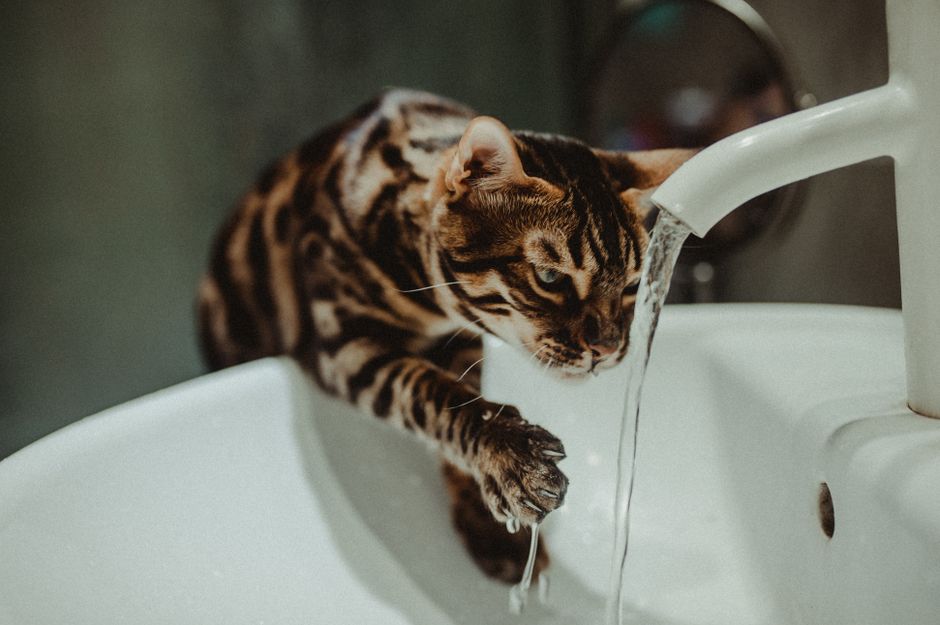
Some cats love faucets, showers, or pet fountains because moving water seems fresher and more interesting. If your cat sits by the sink but ignores the bowl, this may be the reason.
4. Stress or Changes at Home
New pets, visitors, moving furniture, construction noise, travel, or a changed routine can affect your cat’s drinking and eating habits. Cats are creatures of habit, and stress can make them hide or avoid normal resources.
5. Illness, Pain, or Nausea
If your cat is not drinking water and also seems unwell, do not wait too long. Dental disease, mouth ulcers, stomach upset, kidney issues, urinary tract problems, and infections may all affect hydration.
The American Veterinary Medical Association recommends contacting a veterinarian when pets show concerning changes in appetite, thirst, energy, urination, or behavior.
Signs Your Cat May Be Dehydrated
Dehydration can become serious quickly, especially in kittens, senior cats, and cats with kidney or urinary conditions. Watch for these warning signs:
- Dry or sticky gums
- Sunken-looking eyes
- Lethargy or unusual weakness
- Loss of appetite
- Less frequent urination
- Dark, strong-smelling urine
- Panting or rapid breathing
- Skin that does not quickly return to place when gently lifted
- Vomiting or diarrhea
Important: If your cat has not eaten or drunk normally for 24 hours, is repeatedly vomiting, cannot urinate, cries in the litter box, collapses, or seems very weak, contact a veterinarian or emergency clinic immediately.
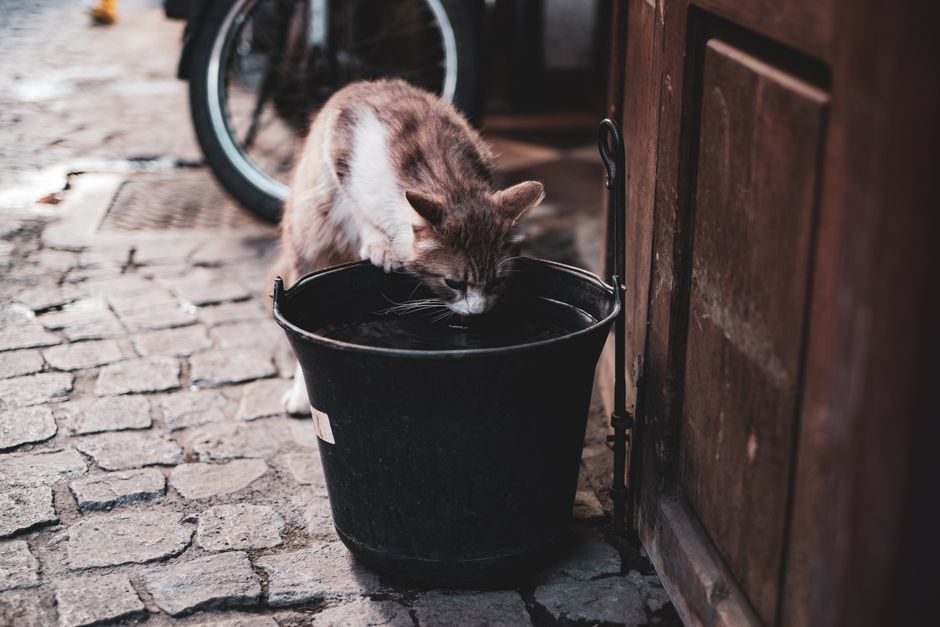
5 Easy Ways to Hydrate Your Feline
Now for the practical part: how can you encourage your cat to drink more water? These five simple methods work well for many households.
1. Switch to Wet Food or Add Moisture to Meals
One of the easiest ways to increase your cat’s fluid intake is through food. Wet food naturally contains more moisture than dry kibble, making it helpful for cats that rarely visit the water bowl.
If your cat currently eats dry food only, try gradually introducing wet food. Start with a small spoonful beside the usual food, then increase slowly if your cat accepts it.
You can also add a little warm water to wet food to create a soft, soupy texture. Some cats enjoy the stronger aroma when food is slightly warmed, but always test the temperature before serving.
- Add one to two teaspoons of water at first.
- Mix thoroughly so the texture is smooth.
- Use warm, not hot, water.
- Introduce changes slowly to avoid stomach upset.
2. Try a Cat Water Fountain
If your cat ignores still water but loves the sink, a pet fountain may help. Running water can be more appealing because it looks and sounds fresh.
Choose a fountain that is easy to clean, quiet, and made from stainless steel or ceramic if possible. Clean it regularly and replace filters as recommended by the manufacturer. A dirty fountain can discourage drinking just like a dirty bowl.
3. Place Multiple Water Stations Around the Home
One bowl may not be enough, especially in a multi-level home or a household with multiple pets. Cats like options. Place several bowls in calm, accessible locations so your cat can drink without feeling trapped or interrupted.
Good locations include:
- A quiet corner of the living room
- Your bedroom, if your cat spends time there
- A hallway away from heavy foot traffic
- Near a favorite resting spot
- On each floor of the home
Avoid placing water bowls next to litter boxes, noisy machines, or areas where dogs or other cats may block access.
4. Upgrade the Bowl
Sometimes the problem is not the water, but the bowl. Many cats dislike deep, narrow bowls because their whiskers touch the sides. This is often called whisker stress or whisker fatigue.
Try a wide, shallow bowl made from stainless steel, ceramic, or glass. These materials are easier to clean and less likely to hold odors than plastic.
| Bowl Type | Pros | Possible Downsides |
|---|---|---|
| Stainless Steel | Durable, easy to clean, odor-resistant | May slide unless it has a non-slip base |
| Ceramic | Heavy, stable, often attractive | Can chip or crack if dropped |
| Glass | Odor-resistant and easy to inspect for cleanliness | Breakable and may be slippery |
| Plastic | Lightweight and inexpensive | Can trap odors and scratch over time |
5. Make Water More Interesting
For picky cats, a small flavor boost can make water more tempting. You can try adding a tiny amount of unsalted tuna water or low-sodium, onion-free, garlic-free broth to a separate water dish.
Always read labels carefully. Onion, garlic, excessive salt, and some seasonings are unsafe for cats. If your cat has kidney disease, heart disease, urinary issues, or a prescribed diet, ask your veterinarian before adding flavored liquids.
You can also try:
- Dropping an ice cube into the bowl for movement and play
- Offering water at room temperature instead of cold
- Rinsing bowls daily and refilling with fresh water
- Using filtered water if your tap water has a strong smell

What If My Cat Still Will Not Drink?
If you have tried fresh water, new bowls, wet food, better placement, and a fountain, but your cat still refuses to drink or seems unwell, schedule a veterinary appointment. Hydration issues may be a symptom of a larger health concern.
Your vet may check your cat’s mouth, weight, hydration status, urine, and bloodwork depending on the symptoms. Early care is especially important for cats because they often hide discomfort until a problem has progressed.
Hydration and a Healthy Coat: The Grooming Connection
Hydration supports more than urinary and kidney health. It also plays a role in skin comfort and coat condition. A cat that is dehydrated or unwell may groom less, shed differently, or develop a dull-looking coat.
If you notice sudden heavy shedding, bald spots, or clumps of fur, it may be worth reading our guide on why is my cat losing hair in clumps normal shedding vs alopecia.
At PetNest Home, we help pet parents keep their homes cleaner and their pets more comfortable with reusable, battery-free grooming and hair removal tools. Our De-Shedding Glove helps remove loose fur directly from your cat’s coat, while our viral Mini Fur Scraper lifts stubborn embedded pet hair from couches, carpets, and fabric surfaces.
Quick Hydration Checklist for Cat Parents
Use this simple checklist to improve your cat’s daily water intake:
- Wash water bowls every day.
- Offer fresh water at least once or twice daily.
- Place bowls away from litter boxes and food dishes.
- Use wide, shallow bowls to reduce whisker discomfort.
- Try wet food or add water to meals.
- Consider a cat fountain for running-water lovers.
- Monitor litter box habits for changes.
- Call your vet if symptoms appear or drinking changes suddenly.
FAQ: Why Is My Cat Not Drinking Water?
How much water should a cat drink per day?
Water needs vary based on size, diet, age, activity level, and health. Cats eating wet food may drink less from a bowl because they get moisture from meals. Cats eating mostly dry food usually need to drink more. If you are unsure whether your cat is getting enough, ask your veterinarian for guidance based on your cat’s specific needs.
Can I syringe water into my cat’s mouth?
Do not force water into your cat’s mouth unless your veterinarian specifically instructs you. Forcing liquid can cause stress and may lead to choking or aspiration. If your cat is not drinking and seems sick, contact a vet.
Is milk a good way to hydrate my cat?
Milk is not recommended for most cats. Many cats are lactose intolerant, and milk can cause diarrhea or stomach upset, which may worsen dehydration. Fresh water and moisture-rich cat food are safer options.
Why does my cat drink from the faucet but not the bowl?
Your cat may prefer moving water because it appears fresher, smells cleaner, or is more fun. A cat water fountain can often satisfy this preference while making hydration more convenient.
When should I worry about my cat not drinking water?
You should worry if the change is sudden, your cat is also not eating, your cat is vomiting or having diarrhea, you notice little or no urination, or your cat seems weak, painful, or unusually withdrawn. These signs deserve prompt veterinary attention.
Conclusion
If you are wondering, “Why is my cat not drinking water?” the cause may be as simple as bowl placement, stale water, or a preference for running water. In many cases, small changes like adding wet food, using a fountain, and offering multiple clean water stations can make a big difference.
Still, trust your instincts. If your cat’s drinking habits change suddenly or come with other symptoms, contact your veterinarian. Cats are experts at hiding discomfort, and early support can protect their long-term health.
Keep Your Cat Comfortable and Your Home Fur-Free
A healthy cat deserves a clean, cozy home. Explore eco-friendly grooming and pet hair removal tools at PetNest Home, including our reusable De-Shedding Glove and battery-free Mini Fur Scraper. They are built to last, easy to use, and shipped worldwide.
Visit PetNest Home today to discover simple tools that make life with pets cleaner, calmer, and more comfortable.
Author Note
Written by: PetNest Home Editorial Team
The PetNest Home Editorial Team creates practical, pet-friendly care guides based on everyday experience with cats and dogs, responsible pet ownership principles, and reputable veterinary resources. This article is for educational purposes only and is not a substitute for professional veterinary advice. If your cat is not drinking water or seems unwell, please consult your veterinarian.
0 comments