

How Do I Know If My Cat Is Overweight? And How to Fix It
If you have ever looked at your cat curled up in a perfect loaf and wondered, “Is that fluff… or extra weight?” you are not alone. Cats can be surprisingly hard to judge by sight, especially long-haired breeds or naturally stocky cats. Still, knowing whether your cat is overweight matters because extra weight can affect their joints, grooming ability, energy, and long-term health.
The good news: you do not need to panic, guess, or put your cat on a crash diet. With a few simple at-home checks, guidance from your veterinarian, and small daily changes, you can help your cat reach a healthier weight safely.
In this guide from PetNest Home, we will walk through how to tell if your cat is overweight, what causes feline weight gain, and realistic ways to help your cat slim down without stress.

Why Cat Weight Matters
A little extra softness may seem harmless, but cats are small animals. Even a modest amount of additional weight can make daily movement more difficult. Over time, overweight cats may be more likely to experience reduced mobility, trouble grooming, and a lower desire to play.
Weight can also be connected to overall wellness. Veterinary organizations such as the American Veterinary Medical Association encourage regular wellness visits because your veterinarian can track weight, body condition, dental health, and other important signs that may not be obvious at home.
Most importantly, weight loss in cats must be done carefully. Cats should never be starved or placed on extreme diets. Rapid weight loss can be dangerous, so any serious weight-loss plan should involve your vet.
How Do I Know If My Cat Is Overweight?
The most useful way to check your cat at home is to combine three things: touch, shape, and behavior. Your cat’s number on the scale matters, but body condition tells a more complete story.
1. Feel Your Cat’s Ribs
Gently run your hands along both sides of your cat’s ribcage. You should be able to feel the ribs with light pressure, but they should not be sharply visible or bony.
- Healthy feel: Ribs are easy to feel under a thin layer of fat.
- Possible overweight: You need to press firmly to feel the ribs.
- Possible underweight: Ribs are very prominent with little padding.
If your cat has a thick coat, this touch test is more reliable than simply looking at them.
2. Look for a Waist from Above
Stand above your cat while they are standing normally. A cat at a healthy weight usually has a slight waist behind the ribs. This does not mean an extreme hourglass shape, but there should be some gentle narrowing.
If your cat’s body looks more oval or rectangular from shoulders to hips, they may be carrying extra weight.
3. Check the Side Profile
From the side, look at your cat’s belly area. Many cats have a natural loose flap of skin called a primordial pouch. This is normal and does not automatically mean your cat is overweight.
However, if the belly is round, firm, or hangs heavily with overall body width, that can suggest excess fat rather than just a normal pouch.
4. Watch Daily Movement and Grooming
Weight gain often shows up in everyday habits. You may notice your cat:
- Jumps less often or hesitates before jumping
- Gets tired quickly during play
- Struggles to groom their back or rear area
- Sleeps more than usual
- Has more mats, loose fur, or dander because grooming is harder
If grooming has become difficult, gentle brushing or grooming can help keep your cat comfortable. PetNest Home’s De-Shedding Glove is a battery-free way to remove loose fur while giving your cat a calming massage-like experience.
Cat Body Condition Score: A Simple Guide
Veterinarians often use a Body Condition Score, or BCS, to assess whether a cat is underweight, ideal, overweight, or obese. There are different scoring systems, but the idea is the same: evaluate fat coverage, waist shape, and overall body condition.
| Body Condition | What You May Notice | What to Do |
|---|---|---|
| Underweight | Ribs, spine, or hip bones feel very obvious; little fat padding | Book a vet visit to rule out illness and discuss nutrition |
| Healthy Weight | Ribs are easy to feel; slight waist visible; active movement | Maintain portion control, play, and routine wellness checks |
| Overweight | Ribs are harder to feel; waist is reduced; belly may look rounded | Adjust feeding habits and increase activity with vet guidance |
| Obese | Ribs are difficult to feel; no clear waist; movement may be limited | Work with your veterinarian on a safe weight-loss plan |
This table is a helpful starting point, but it is not a diagnosis. If you are unsure, your veterinarian can show you exactly how to assess your cat’s body condition at home.
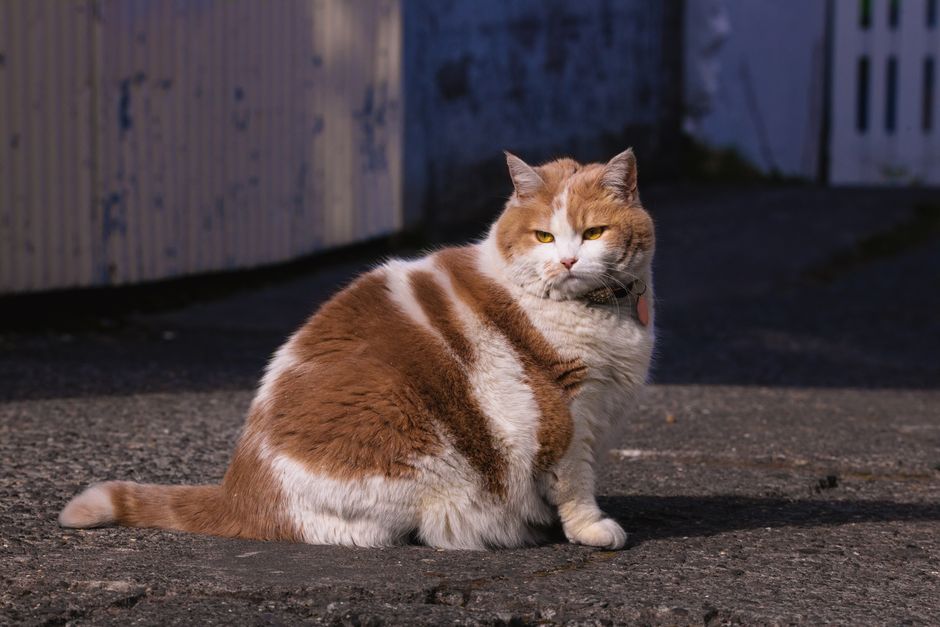
Common Reasons Cats Become Overweight
Weight gain is usually not about one single mistake. It often happens slowly through small daily habits. Understanding the cause can help you fix the problem without frustration.
Free-Feeding Dry Food
Leaving food out all day works for some cats, but many will nibble more than they need. Dry food is also easy to over-serve because portions can look small in the bowl.
Too Many Treats
Treats are useful for bonding and training, but calories add up. A few treats here and there can become a meaningful part of your cat’s daily intake.
Low Activity Indoors
Indoor cats are often safer from outdoor hazards, but they may not get as much natural exercise. Without climbing, chasing, and hunting-style play, weight can creep up.
Age and Lifestyle Changes
Older cats may become less active. Neutered or spayed cats may also have changing energy needs. This does not mean weight gain is unavoidable, but feeding and activity may need adjustment over time.
Medical Conditions
Sometimes weight gain, appetite changes, or reduced energy can be linked to health issues. If your cat gains weight suddenly, seems lethargic, drinks more than usual, or acts unlike themselves, schedule a vet visit. You can also read more about hydration concerns in our guide on why is my cat not drinking water 5 easy ways to hydrate your feline.
How to Help an Overweight Cat Lose Weight Safely
The safest approach is slow, steady, and consistent. Before changing your cat’s food dramatically, speak with your veterinarian, especially if your cat is very overweight, older, or has a medical condition.
1. Measure Meals Instead of Guessing
Eyeballing food is one of the easiest ways to overfeed. Use a proper measuring cup or, even better, a small kitchen scale. Measure the exact amount your vet recommends based on your cat’s ideal weight, not necessarily their current weight.
If multiple people feed your cat, create a simple feeding chart on the fridge so everyone knows whether breakfast, dinner, or treats have already been given.
2. Switch from Free-Feeding to Scheduled Meals
Scheduled meals make it easier to control portions and notice appetite changes. Many cats do well with two to four small meals per day. If your cat is used to grazing, transition gradually by reducing the time food is available rather than removing it abruptly.
3. Use Puzzle Feeders or Slow Feeders
Puzzle feeders encourage your cat to work for food, which adds mental stimulation and slows eating. You can buy one or make a simple DIY version by placing kibble in a clean egg carton, treat ball, or feeding mat.
4. Prioritize Protein and Moisture
Cats are obligate carnivores, so their diet should be appropriate for feline nutrition. Many cats also benefit from moisture-rich food, depending on their needs. Ask your vet whether your cat’s current food is appropriate and whether a weight-management formula would help.
For general pet wellness routines, our article the ultimate pet care checklist how to keep your furry friend happy and healthy can help you build better everyday habits.
5. Make Play Part of the Daily Routine
Exercise does not have to be intense. In fact, short sessions are often best for cats. Try two or three 5-to-10-minute play sessions each day using:
- Wand toys
- Feather teasers
- Soft balls
- Crinkle toys
- Laser pointers followed by a physical toy reward
- Cardboard boxes and tunnels
Let your cat stalk, chase, pounce, and “catch” the toy. This mimics natural hunting behavior and makes play more satisfying.

How Grooming Helps Overweight Cats Feel Better
Overweight cats may have trouble reaching certain areas, especially along the lower back, hips, and rear. This can lead to loose fur buildup, mats, and discomfort. Regular grooming helps your cat feel cleaner and may make movement more comfortable.
A gentle grooming routine can also help you notice changes in body shape, lumps, skin irritation, or unusual hair loss earlier. If you are seeing patchy shedding or bald spots, read our guide on why is my cat losing hair in clumps normal shedding vs alopecia.
PetNest Home offers eco-friendly, reusable grooming and fur-removal tools designed for real pet homes. Our De-Shedding Glove helps remove loose hair directly from your cat, while our viral Mini Fur Scraper lifts deeply embedded fur from carpets, couches, cat trees, and fabric surfaces. Both are battery-free, built to last, and shipped worldwide.
What Not to Do When Your Cat Is Overweight
Trying to help your cat is wonderful, but some weight-loss methods can backfire. Avoid these common mistakes:
- Do not crash diet. Sudden severe calorie restriction can be dangerous for cats.
- Do not use dog diet food. Cats have different nutritional needs.
- Do not rely only on exercise. Play helps, but food portions matter most.
- Do not ignore sudden weight changes. Rapid gain or loss deserves a vet check.
- Do not shame yourself. Cat weight gain is common and fixable with consistency.
For more veterinary-reviewed pet health information, resources such as PetMD cat health guides can be helpful, but your own veterinarian is always the best source for advice tailored to your cat.
When to See a Veterinarian
It is a smart idea to schedule a vet visit if you think your cat is overweight. Your vet can confirm your cat’s ideal weight range, rule out medical concerns, and recommend a safe calorie target.
Call your vet sooner if your cat has:
- Sudden weight gain or sudden weight loss
- Increased thirst or urination
- Loss of appetite
- Difficulty jumping or walking
- Heavy breathing after mild activity
- Poor coat condition or inability to groom
- Vomiting, diarrhea, or major behavior changes
Professional guidance is especially important if your cat is obese, senior, diabetic, or has kidney, heart, or thyroid concerns.
Simple Weekly Weight-Management Plan
Here is a realistic routine you can start with while waiting for or following your vet’s advice:
- Monday: Measure food portions for the week and note feeding times.
- Tuesday: Add one 5-minute wand toy session.
- Wednesday: Brush or groom your cat gently and check body condition by touch.
- Thursday: Use a puzzle feeder for one meal.
- Friday: Replace extra treats with play, praise, or a small portion of their regular food.
- Saturday: Refresh your cat’s environment with a box, tunnel, or climbing spot.
- Sunday: Record weight, appetite, energy, and any changes you noticed.
Small steps are easier to maintain than big changes. Over time, these habits can make a meaningful difference.
FAQ: Overweight Cats
How can I tell if my cat is overweight or just fluffy?
Use your hands, not just your eyes. If you cannot feel your cat’s ribs without pressing firmly, or you cannot see a slight waist from above, your cat may be overweight. Long-haired cats can hide weight gain under their coat, so touch is important.
Is my cat’s hanging belly fat?
Not always. Many cats have a primordial pouch, a loose flap of skin and tissue along the belly. It is normal. However, if your cat also has a round body, no visible waist, and ribs that are hard to feel, extra weight may be present too.
How fast should a cat lose weight?
Cats should lose weight gradually and under veterinary guidance. Rapid weight loss can be risky, so avoid extreme dieting. Your vet can recommend a safe plan based on your cat’s health and ideal weight.
Can indoor cats stay slim?
Yes. Indoor cats can maintain a healthy weight with measured meals, routine play, climbing opportunities, puzzle feeders, and regular vet checkups.
Should I change my cat’s food if they are overweight?
Possibly, but do not make a drastic switch without advice. Your veterinarian may suggest portion changes, a different feeding schedule, or a weight-management food depending on your cat’s needs.
Conclusion: A Healthier Cat Starts with Small Daily Habits
So, how do you know if your cat is overweight? Start by feeling their ribs, checking for a waist, watching their movement, and noticing grooming changes. If you suspect extra weight, your next step should be a calm, practical plan: measure meals, encourage play, reduce unnecessary treats, and speak with your veterinarian.
Helping your cat reach a healthier weight is not about perfection. It is about giving them the best chance to move comfortably, groom easily, play happily, and enjoy everyday life with you.
Ready to Make Cat Care Easier?
Keep your home cleaner and your cat more comfortable with reusable, eco-friendly grooming essentials from PetNest Home. Try our De-Shedding Glove to manage loose fur at the source, and use the Mini Fur Scraper to remove stubborn embedded hair from couches, carpets, and cat trees in seconds.
Visit PetNest Home to explore our battery-free pet hair removal and grooming tools, built to last and shipped worldwide.
Author note: Written by the PetNest Home Editorial Team. Our content is created to help pet parents make practical, informed care decisions. This article is for educational purposes and should not replace personalized advice from your veterinarian.
0 comments