

Why Are My Dog's Ears Hot to the Touch?
If you have ever stroked your dog’s head and thought, “Why are my dog’s ears hot to the touch?” you are not alone. Warm ears can be completely normal, especially after exercise, excitement, sun exposure, or a cozy nap. But in some cases, hot ears may point to fever, allergies, an ear infection, irritation, or heat stress.
The key is to look at the whole dog, not just the ears. Are they acting normal? Eating well? Shaking their head? Scratching? Do the ears smell bad or look red inside? These clues can help you decide whether it is a harmless moment or something that deserves a call to your veterinarian.
Are Hot Dog Ears Normal?
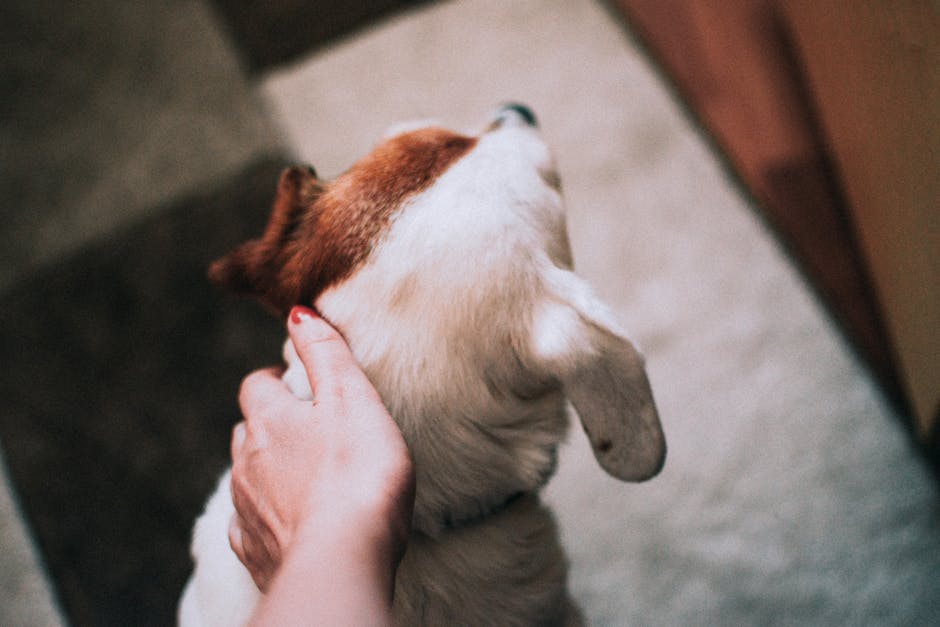
Yes, hot ears can be normal. A dog’s ears contain many blood vessels, and their temperature can change throughout the day. Just like your hands or face may feel warmer after activity, your dog’s ears may feel warmer after playing, running, lying in the sun, or getting excited when you come home.
Some dogs naturally have warmer ears than others. Dogs with thin coats, short hair, large upright ears, or very expressive ears may feel warmer to the touch simply because there is less fur between your hand and the skin.
However, hot ears should not be ignored if they come with other symptoms, such as redness, swelling, discharge, odor, pain, lethargy, vomiting, or unusual behavior.
Common Reasons Your Dog’s Ears Feel Hot
1. Exercise, Excitement, or Play
After a walk, game of fetch, or zoomies around the house, your dog’s body temperature naturally rises. Their ears may feel warm as blood flow increases. This is usually temporary and should settle as your dog rests and drinks water.
What to do: Give your dog a cool, shaded place to rest. Offer fresh water. Recheck their ears after 20 to 30 minutes. If your dog seems happy, alert, and comfortable, there may be no cause for concern.
2. Warm Weather or Sun Exposure
Dogs can become warm quickly in hot weather, especially breeds with thick coats, flat faces, dark fur, or limited tolerance for heat. Ears may feel hot after lying near a sunny window, spending time outdoors, or riding in a warm car.
What to do: Move your dog to a cooler area, provide water, and avoid intense activity during the hottest part of the day. Never leave your dog in a parked car, even for a short time.
3. Fever
Hot ears alone do not prove your dog has a fever, but they can be one possible sign. Dogs with fever may also seem tired, lose interest in food, shiver, have glassy eyes, or act “not like themselves.”
The most accurate way to check your dog’s temperature is with a pet-safe digital rectal thermometer. According to general veterinary guidance, a dog’s normal body temperature is typically higher than a human’s. If you are unsure how to check safely, call your veterinarian for instructions.
You can also learn more about general pet health and when to seek veterinary care from trusted veterinary resources such as the American Veterinary Medical Association.
4. Ear Infection
Ear infections are one of the most common reasons a dog’s ears may feel hot. Infections can involve bacteria, yeast, or both. Dogs with floppy ears, allergies, frequent swimming habits, or heavy ear hair may be more prone to ear issues.
Signs of a possible ear infection include:
- Redness inside the ear
- Bad smell
- Brown, yellow, or black discharge
- Head shaking or tilting
- Scratching at the ears
- Pain when the ear is touched
- Swelling or warmth around one or both ears
What to do: Book a vet visit. Ear infections can become painful and may worsen without proper treatment. Avoid putting home remedies, oils, alcohol, or hydrogen peroxide into your dog’s ears unless your vet specifically recommends it.
5. Allergies
Allergies can cause inflammation that makes your dog’s ears feel warm, red, or itchy. Dogs may react to food ingredients, pollen, dust mites, mold, flea bites, or environmental triggers. Ear problems are often linked with itchy skin, paw licking, or recurrent infections.
If your dog is also chewing or licking their feet, our guide on why is my dog licking their paws constantly may help you recognize common allergy-related patterns.
What to do: Talk to your vet, especially if ear warmth keeps returning. Allergies are usually managed long-term through diagnosis, skin care, diet trials, medication, parasite control, or environmental changes.
6. Ear Mites
Ear mites are tiny parasites that can cause intense itching, irritation, and dark crumbly debris in the ear. They are more common in puppies, outdoor dogs, and multi-pet households, but any dog can be affected.
What to do: See your vet for confirmation. Ear mites can look similar to other ear problems, so proper diagnosis matters. Treatment may be needed for more than one pet in the home.
7. Injury, Bite, or Irritation
A dog’s ear may feel hot if it has been scratched, bitten, stung by an insect, or irritated by grooming products. One ear may feel warmer than the other. You might notice swelling, tenderness, a small wound, or your dog pulling away when touched.
What to do: Check gently without poking inside the ear canal. If there is bleeding, swelling, sudden pain, or your dog seems distressed, contact your vet.
8. Stress or Anxiety
Stress can increase blood flow and body temperature slightly. A nervous dog at the vet, during a thunderstorm, after travel, or around new visitors may have warmer ears. This should calm down once the dog relaxes.
If your dog makes unusual noises when stressed or excited, you may also find our article on why is my dog grunting like a pig normal vs concerning signs useful.
Hot Ears: Normal vs. Concerning Signs
The table below can help you compare common situations. It is not a substitute for veterinary care, but it can guide your next step.
| Situation | Likely Concern Level | What to Do |
|---|---|---|
| Warm ears after exercise or play | Usually normal | Offer water and rest. Recheck after cooling down. |
| Warm ears after lying in the sun | Usually normal, but monitor | Move to shade or indoors. Watch for heat stress. |
| Hot ears with redness, odor, or discharge | Concerning | Schedule a vet exam for possible infection. |
| Hot ears with lethargy, appetite loss, or shivering | More concerning | Call your vet and ask whether temperature checking is needed. |
| Hot ears with heavy panting, weakness, or collapse | Emergency | Seek urgent veterinary care immediately. |
How to Check Your Dog’s Ears at Home
A gentle home check can provide helpful information before you call the vet. Choose a calm moment and speak softly to your dog.
- Compare both ears. Is one much hotter, redder, or more swollen than the other?
- Look inside the outer ear. Check for redness, waxy buildup, discharge, scabs, or foreign material.
- Smell the ear. A strong, sour, musty, or yeasty odor can suggest infection.
- Watch your dog’s reaction. Pain, pulling away, whining, or snapping means you should stop and call your vet.
- Notice body signs. Check for lethargy, appetite changes, vomiting, diarrhea, coughing, or unusual panting.
Do not insert cotton swabs deep into the ear canal. This can push debris farther in or injure the ear. If cleaning is needed, ask your veterinarian which product is safe for your dog.
When Should You Call the Vet?
You should contact your veterinarian if your dog’s ears are hot and you notice any of the following:
- Persistent ear heat that does not improve with rest
- Red, swollen, or painful ears
- Bad smell or discharge
- Head shaking, head tilt, or loss of balance
- Scratching until the skin is raw
- Lethargy, fever-like signs, or appetite loss
- Heat stress signs such as excessive panting, drooling, weakness, or collapse
- Repeated ear problems or suspected allergies
For more detail on dog ear infections, symptoms, and care, veterinary-reviewed resources such as PetMD’s dog health library can be helpful. Still, your own veterinarian is the best person to diagnose and treat your dog.

Can Grooming Help Prevent Ear and Skin Problems?
Good grooming does not replace veterinary care, but it can help you notice changes early. Regular brushing, coat checks, and gentle handling make it easier to spot redness, heat, lumps, fleas, ticks, mats, or irritation before they become bigger problems.
Dogs that shed heavily may also trap loose fur, dander, and allergens around the home. Keeping your dog’s coat managed can support overall comfort, especially during seasonal shedding. If shedding is a constant battle, read our practical guide on how to stop dog from shedding.
At PetNest Home, we focus on simple, reusable, battery-free grooming tools that make pet care easier. Our De-Shedding Glove helps remove loose fur directly from your dog’s coat while giving them a soothing massage-like experience. For embedded fur on couches, rugs, and carpets, our viral Mini Fur Scraper lifts stubborn hair instantly without sticky sheets or disposable refills.
What Not to Do If Your Dog’s Ears Are Hot
When you are worried, it is natural to want to fix the problem quickly. But some common home treatments can make ear issues worse.
- Do not pour random liquids into the ear. Oils, alcohol, vinegar, or peroxide may irritate damaged tissue.
- Do not use human ear drops. Dogs need pet-safe products and a proper diagnosis.
- Do not ignore odor or discharge. These are common signs that your dog needs a vet exam.
- Do not delay emergency care for heat stress. Heavy panting, weakness, confusion, or collapse needs urgent help.
- Do not over-clean. Too much cleaning can irritate the ear and disrupt the natural environment.
FAQ: Dog’s Ears Hot to the Touch
Why are my dog’s ears hot but they are acting normal?
If your dog is acting normal, hot ears may simply be due to exercise, excitement, warm weather, or resting in a sunny spot. Offer water and let your dog cool down. If the heat persists or other symptoms appear, contact your vet.
Does hot ears mean my dog has a fever?
Not always. Hot ears can happen for many reasons. A thermometer is the best way to confirm a fever. If your dog seems tired, refuses food, shivers, or acts unwell, call your veterinarian for guidance.
Why is only one of my dog’s ears hot?
One hot ear may suggest a local issue such as infection, inflammation, injury, insect bite, or irritation. Compare both ears and look for redness, swelling, discharge, odor, or pain. A vet exam is recommended if one ear is clearly abnormal.
Can allergies make my dog’s ears hot?
Yes. Allergies can cause itchy, inflamed ears and may contribute to recurring ear infections. Dogs with allergies may also lick their paws, scratch their skin, or have seasonal flare-ups.
Should I clean my dog’s ears if they feel hot?
Only clean your dog’s ears if you know it is safe and you have a vet-approved cleaner. If the ear is painful, swollen, smelly, or has discharge, it is better to see your vet first.
When is hot ears an emergency?
Hot ears can be part of an emergency if your dog also has severe panting, drooling, weakness, confusion, vomiting, collapse, or signs of heatstroke. Move your dog to a cooler area and seek urgent veterinary care immediately.
Conclusion
So, why are your dog’s ears hot to the touch? In many cases, the reason is harmless: exercise, excitement, sun exposure, or a warm room. But hot ears can also be a clue that something else is happening, such as fever, allergies, ear infection, mites, injury, or heat stress.
The best approach is to look for patterns and accompanying symptoms. If your dog is bright, comfortable, eating normally, and the warmth fades after rest, you can usually monitor at home. If the ears are red, painful, smelly, swollen, or your dog seems unwell, contact your veterinarian.
Your hands are often the first tool for noticing changes in your pet’s health. Gentle daily petting, grooming, and coat care help you know what is normal for your dog, making it easier to spot when something feels off.
Keep Your Dog Comfortable with PetNest Home
Regular grooming is one of the simplest ways to stay connected to your dog’s health and comfort. Explore PetNest Home’s eco-friendly, reusable grooming essentials, including our De-Shedding Glove for loose fur at the source and our Mini Fur Scraper for stubborn hair on carpets, couches, and car seats.
Ready for a cleaner home and a happier grooming routine? Visit PetNestHome.com and discover battery-free tools built to last, loved by pet parents, and shipped worldwide.
Author Note: Written by the PetNest Home Editorial Team. Our pet care content is created to help dog and cat parents make confident, practical decisions at home. This article is for educational purposes only and does not replace professional veterinary diagnosis or treatment.
0 comments