

5 Daily Grooming Mistakes That Are Secretly Ruining Your Pet’s Coat
A shiny, healthy coat is more than just a sign that your dog or cat looks well cared for. It can also reflect comfort, skin health, nutrition, and the quality of your everyday grooming routine. The tricky part? Some of the most common daily grooming habits may actually be doing more harm than good.
At PetNest Home, we help pet parents manage shedding and fur cleanup with simple, reusable, eco-friendly tools. After working closely with everyday grooming concerns, we’ve seen how small routine changes can make a big difference to your pet’s coat, your furniture, and your home.
Below are five daily grooming mistakes that may be secretly ruining your pet’s coat, plus practical ways to fix them without overcomplicating your routine.
Why Daily Grooming Matters for Your Pet’s Coat
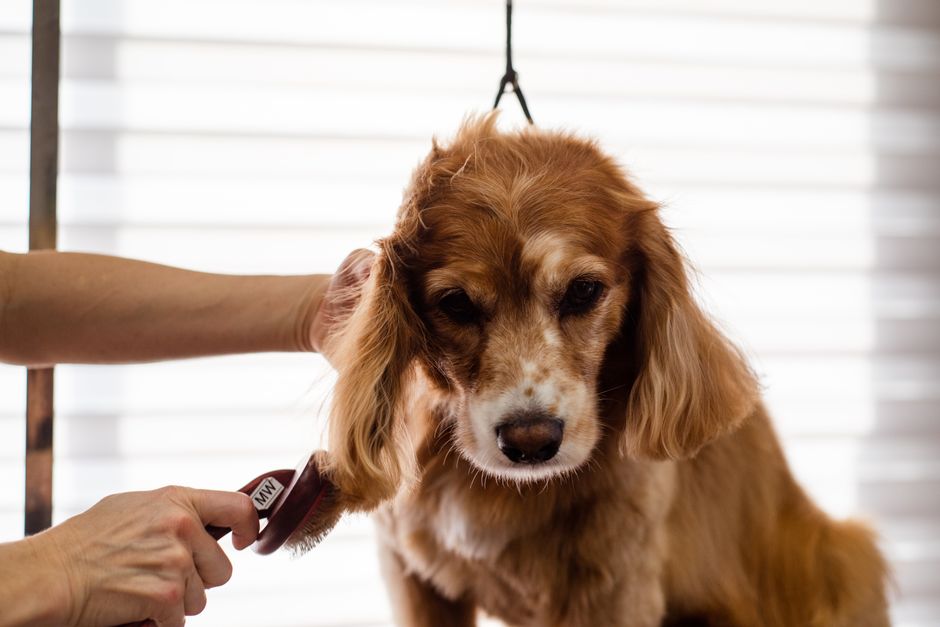
Daily grooming is not just about removing loose hair. It helps distribute natural oils, reduces tangles, supports skin comfort, and gives you a chance to spot irritation, fleas, bumps, dryness, or unusual shedding early.
However, grooming the wrong way can cause:
- Dry, dull, or brittle fur
- Increased shedding around the home
- Mats and tangles that pull on the skin
- Skin irritation from over-brushing or harsh products
- Stress or grooming resistance from your pet
For general pet health concerns, organizations such as the American Veterinary Medical Association recommend paying close attention to changes in skin, coat, behavior, and overall comfort. If your pet’s coat suddenly changes, or if you notice bald patches, redness, odor, or excessive itching, contact your veterinarian.
Mistake #1: Brushing Only When You See Fur Everywhere
Many pet owners wait until the couch, carpet, and clothing are covered in fur before brushing their pet. By that point, loose hair has already built up in the coat, and your pet may be dealing with extra tangles, trapped dander, or uncomfortable shedding.
This is one of the most common daily grooming mistakes because it turns grooming into a reaction instead of a routine. Brushing only when shedding becomes obvious can make the job harder for you and less pleasant for your pet.
Why It Hurts the Coat
Loose hair that stays in the coat can mix with natural oils, dirt, and dander. In long-haired pets, this can lead to mats. In short-haired pets, it can create a dull appearance and extra shedding on surfaces around your home.
What to Do Instead
- Brush lightly and regularly, even when shedding seems minimal.
- Use gentle tools that match your pet’s coat type.
- Keep grooming sessions short and positive, especially for anxious pets.
- Reward your pet with calm praise or a treat after grooming.
For pets that shed frequently, a grooming glove can make daily coat care feel more like petting than brushing. PetNest Home’s pet hair cleaning and collection gloves pet double sided multi functional beauty glove tool reduce the pressure of pet ownership are designed to help lift loose fur directly from the coat before it spreads around your home.
Mistake #2: Using the Wrong Grooming Tool for Your Pet’s Coat
Not all brushes, combs, and hair removal tools are suitable for every pet. A tool that works well for a short-haired dog may not be right for a long-haired cat. A harsh tool can scratch sensitive skin, while a tool that is too soft may not remove loose undercoat effectively.

Signs You May Be Using the Wrong Tool
- Your pet flinches, pulls away, or hides during grooming.
- The coat still looks dull or full of loose fur afterward.
- You notice redness, flakes, or irritation after brushing.
- Mats keep returning despite regular grooming.
- The tool removes very little hair but your home is still covered in fur.
Quick Tool Comparison
| Grooming Need | Helpful Tool | Best For | Common Mistake to Avoid |
|---|---|---|---|
| Daily loose hair removal | De-shedding glove | Dogs and cats that enjoy being petted | Pressing too hard on sensitive areas |
| Removing surface tangles | Wide-tooth comb | Medium to long coats | Pulling through knots without loosening them first |
| Deep undercoat control | Undercoat rake or suitable brush | Double-coated breeds | Overusing it daily and irritating the skin |
| Cleaning fur from fabric | Manual fur scraper | Carpets, couches, pet beds, car seats | Using sticky disposable rollers as the only solution |
A good grooming routine often uses more than one tool: one for the pet’s coat and one for the home. If fur is already embedded in carpets, couches, or pet beds, PetNest Home’s portable manual hair removal agent carpet wool coat clothes shaver brush tool depilatory ball knitting plush double sided razor helps lift stubborn hair from fabric surfaces without batteries or disposable sticky sheets.
Mistake #3: Bathing Too Often or Using Harsh Shampoo
Bathing feels like the obvious solution for a smelly or dull coat, but too much bathing can strip away the natural oils your pet’s skin needs. These oils help keep fur soft, flexible, and naturally protected.
Using human shampoo is another common problem. Human skin and pet skin have different needs, and products made for people may be too harsh for dogs or cats. According to veterinary resources such as PetMD’s pet health guidance, it is important to use products formulated for pets and to consider your animal’s individual skin and coat condition.
Signs You May Be Over-Bathing
- Dry flakes appearing after baths
- Coat feels rough instead of soft
- Pet scratches more after washing
- Skin looks pink, tight, or irritated
- Coat becomes oily again very quickly
What to Do Instead
Choose a gentle pet-safe shampoo, rinse thoroughly, and avoid bathing more often than your pet truly needs unless your veterinarian advises otherwise. Some pets need regular baths due to allergies or skin conditions, while others do best with less frequent washing and more consistent brushing.
Between baths, wipe muddy paws, brush out loose hair, and clean pet bedding regularly. This helps your pet stay fresher without over-washing the coat.
Mistake #4: Ignoring Mats, Knots, and Hidden Friction Areas
Mats do not only happen to neglected pets. They can form quickly in areas where fur rubs together, especially behind the ears, under the collar, around the armpits, under the tail, and along the belly.
Why Mats Are a Bigger Problem Than They Look
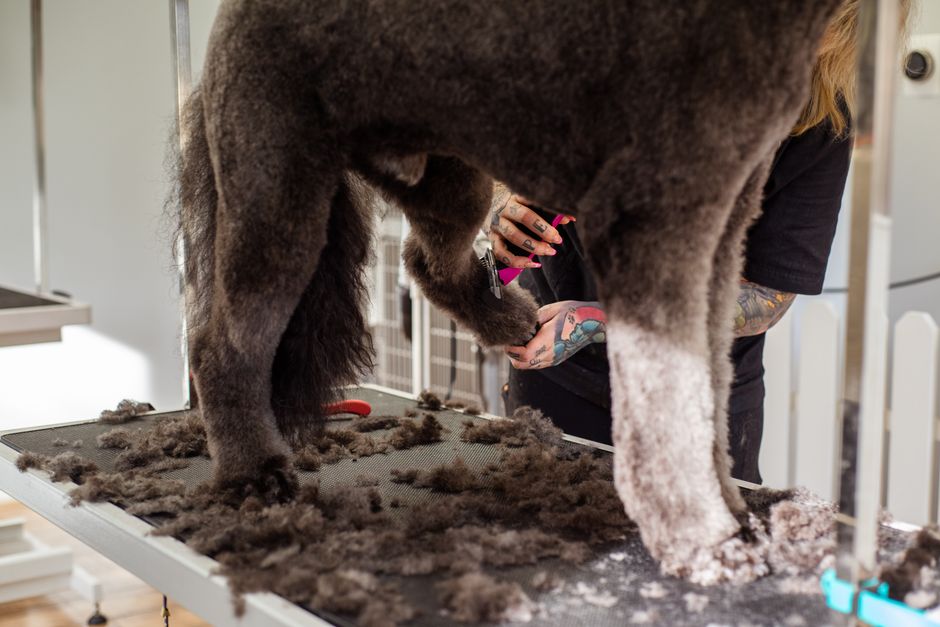
Matted fur can pull tightly on the skin, causing discomfort every time your pet moves. It can also trap moisture, dirt, and debris, which may contribute to irritation or odor. Severe mats should never be yanked out or cut carelessly with scissors, as it is easy to injure the skin underneath.
Daily Areas to Check
- Behind the ears
- Under the collar or harness
- Armpits and inner legs
- Chest and belly
- Base of the tail
- Back legs and feathering
How to Handle Small Tangles Safely
Use your fingers to gently separate small knots before combing. Hold the fur close to the skin to reduce pulling. Work slowly from the outer edge of the tangle inward. If a mat is tight, large, painful, or close to the skin, contact a professional groomer or veterinarian instead of trying to remove it yourself.
Mistake #5: Forgetting That Coat Health Starts Beneath the Fur
A beautiful coat starts with healthy skin, good nutrition, hydration, and overall wellness. If your pet’s coat is dull, greasy, patchy, or shedding more than usual, grooming alone may not solve the problem.
Daily grooming gives you a chance to notice early warning signs, including:
- Red or inflamed skin
- Bald spots or thinning areas
- Excessive dandruff
- Unusual odor
- Scabs, bumps, or hot spots
- Sudden increase in shedding
- Constant licking, chewing, or scratching
What to Do Instead
Feed a complete, balanced diet appropriate for your pet’s age, breed, and health needs. Provide fresh water daily. Keep parasite prevention up to date based on your veterinarian’s advice. Most importantly, do not ignore sudden coat changes.
If your pet’s coat changes quickly or grooming seems painful, schedule a veterinary checkup. Skin and coat issues can sometimes be linked to allergies, parasites, infections, hormonal changes, nutrition, or other health concerns.
A Simple Daily Grooming Routine That Actually Works
You do not need a complicated routine to protect your pet’s coat. Consistency matters more than perfection. Here is a realistic approach for busy pet parents:
Daily: 3 to 5 Minutes
- Run your hands over your pet’s body to check for bumps, mats, or sensitive spots.
- Use a gentle de-shedding glove or suitable brush to remove loose hair.
- Check high-friction areas like behind the ears and under the collar.
- Reward calm behavior so grooming feels positive.
Weekly: 10 to 20 Minutes
- Do a more thorough brush-out based on coat type.
- Wash pet blankets or bedding.
- Use a reusable fur scraper on couches, carpets, and car seats.
- Check nails, ears, and paws for signs of discomfort.
As Needed
- Bathe with pet-safe shampoo when your pet is dirty or smelly.
- Book professional grooming for trims, heavy coats, or severe mats.
- Contact your vet for sudden shedding, itching, odor, or skin changes.

How PetNest Home Helps Make Grooming Easier
Pet fur is part of life with animals, but it does not have to take over your home. PetNest Home offers premium, battery-free grooming and hair removal solutions built for everyday use.
- Mini Fur Scraper: Ideal for removing deeply embedded pet hair from carpets, couches, rugs, pet beds, and car interiors.
- De-Shedding Glove: Helps remove loose fur directly from your pet’s coat while giving them a soothing, massage-like grooming experience.
- Reusable and eco-friendly: No sticky roller refills, no batteries, and less waste.
- Made for real homes: Practical tools for stubborn fur, daily shedding, and busy pet parents.
For more helpful grooming and home-care ideas, visit our pet tips blog.
FAQ: Daily Grooming Mistakes and Pet Coat Care
How often should I brush my pet?
It depends on the coat type. Many short-haired pets benefit from light brushing a few times a week, while long-haired or heavy-shedding pets may need daily attention. The goal is to remove loose hair before it mats or spreads around your home.
Can brushing too much damage my pet’s coat?
Yes. Over-brushing, brushing too hard, or using the wrong tool can irritate the skin and break the hair. Keep sessions gentle, watch your pet’s reaction, and avoid repeatedly brushing the same area until it becomes red or sensitive.
Why is my pet shedding so much even after grooming?
Seasonal shedding, breed, age, diet, stress, and health can all affect shedding. If shedding suddenly increases or comes with itching, bald spots, odor, or skin changes, consult your veterinarian.
Are grooming gloves good for cats and dogs?
Grooming gloves can be a great option for many cats and dogs because they feel similar to petting. They are especially useful for pets that dislike traditional brushes. Always use gentle pressure and stop if your pet seems uncomfortable.
Should I remove mats at home?
Small, loose tangles may be handled carefully at home. Tight mats, painful mats, or mats close to the skin should be removed by a professional groomer or veterinarian to avoid accidental injury.
Conclusion: Small Grooming Fixes Lead to a Healthier Coat
The biggest daily grooming mistakes are often simple: waiting too long to brush, using the wrong tool, bathing too often, ignoring hidden mats, and forgetting that coat health begins with the skin. The good news is that these habits are easy to improve.
With gentle tools, short daily sessions, regular coat checks, and the right support when something looks unusual, you can help your pet feel more comfortable and keep their coat looking its best.
Ready to Reduce Shedding at the Source?
Make daily grooming easier with reusable, battery-free tools from PetNest Home. Explore our eco-friendly de-shedding glove for coat care and our viral Mini Fur Scraper for stubborn fur on couches, carpets, pet beds, and cars.
Visit PetNestHome.com today and build a cleaner, cozier home for you and your pet.
Author Note
Written by the PetNest Home Editorial Team. Our team creates practical, pet-friendly grooming and home-care guides to help pet parents reduce shedding, protect coat health, and choose reusable tools that make everyday life with pets easier.

