

7 Vet-Approved Tips to Deal with Excessive Pet Shedding in Spring
Spring is a beautiful season for fresh air, longer walks, and open windows—but for pet parents, it can also mean fur on the couch, hair on your clothes, and fluff tumbleweeds rolling across the floor. If you are dealing with excessive pet shedding in spring, you are not alone.
Many dogs and cats naturally shed more as temperatures rise and their coats adjust for warmer weather. The good news? With the right grooming routine, nutrition, home-cleaning strategy, and a little patience, you can keep shedding under control while supporting your pet’s skin and coat health.
At PetNest Home, we specialize in eco-friendly, reusable pet hair removal and grooming tools that make seasonal shedding easier to manage. Below are seven vet-approved tips to help reduce loose fur, protect your home, and keep your pet comfortable this spring.
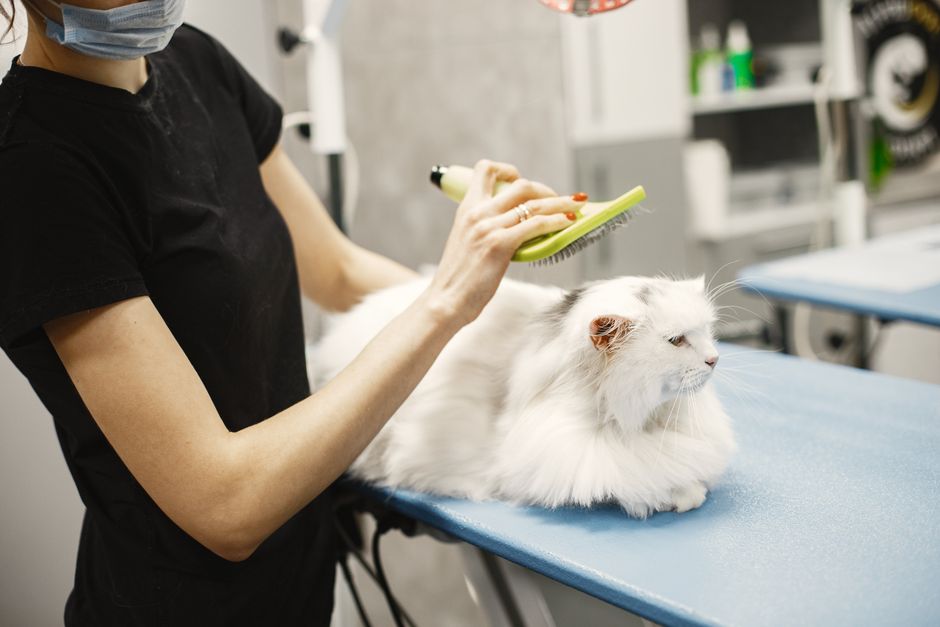
Why Do Pets Shed More in Spring?
Spring shedding is usually a normal biological response. As daylight increases and temperatures warm up, many pets begin losing their thicker winter coat. This is especially common in double-coated breeds such as Huskies, Golden Retrievers, German Shepherds, Maine Coons, and many mixed breeds.
However, not all shedding is “normal.” Excessive hair loss can also be linked to allergies, parasites, stress, poor nutrition, hormonal issues, or skin infections. According to general pet health guidance from PetMD, changes in coat quality, itching, bald patches, or irritated skin should be checked by a veterinarian.
If your pet is shedding more than usual but still has healthy skin, a shiny coat, and normal behavior, spring coat change is likely the reason. These tips will help you manage it safely and effectively.
1. Brush Your Pet More Often During Peak Shedding Season
The simplest way to manage excessive pet shedding in spring is to remove loose fur before it lands on your furniture. Brushing helps collect dead hair, reduce tangles, distribute natural oils, and keep your pet’s coat healthier.
How Often Should You Brush?
- Short-haired dogs and cats: 2–4 times per week during spring.
- Long-haired breeds: Daily or every other day to prevent mats.
- Double-coated pets: Daily during heavy seasonal shedding.
- Senior pets: Gentle, shorter sessions to avoid skin sensitivity.
Use slow, gentle strokes and stop if your pet becomes stressed. For pets who dislike traditional brushes, a grooming glove can feel more like petting than brushing. PetNest Home’s pet hair cleaning and collection gloves pet double sided multi functional beauty glove tool reduce the pressure of pet ownership are designed to collect loose fur directly from your pet’s coat while giving them a calming massage-like experience.
2. Use the Right Tool for Your Pet’s Coat Type
Not all grooming tools work the same way. A tool that works beautifully for a Labrador may not be ideal for a Persian cat. Choosing the right grooming method can make shedding control easier and safer.
| Coat Type | Best Grooming Approach | Helpful Tool |
|---|---|---|
| Short coat | Gentle brushing several times weekly | Rubber grooming glove |
| Long coat | Daily detangling and loose-hair removal | Comb plus de-shedding glove |
| Double coat | Frequent grooming during seasonal coat blow | Undercoat rake or grooming glove |
| Sensitive skin | Soft, slow grooming sessions | Flexible glove with gentle tips |
Avoid pulling mats or scraping the skin. If you find tight mats close to your pet’s body, ask a professional groomer or veterinarian for help rather than cutting them out yourself.
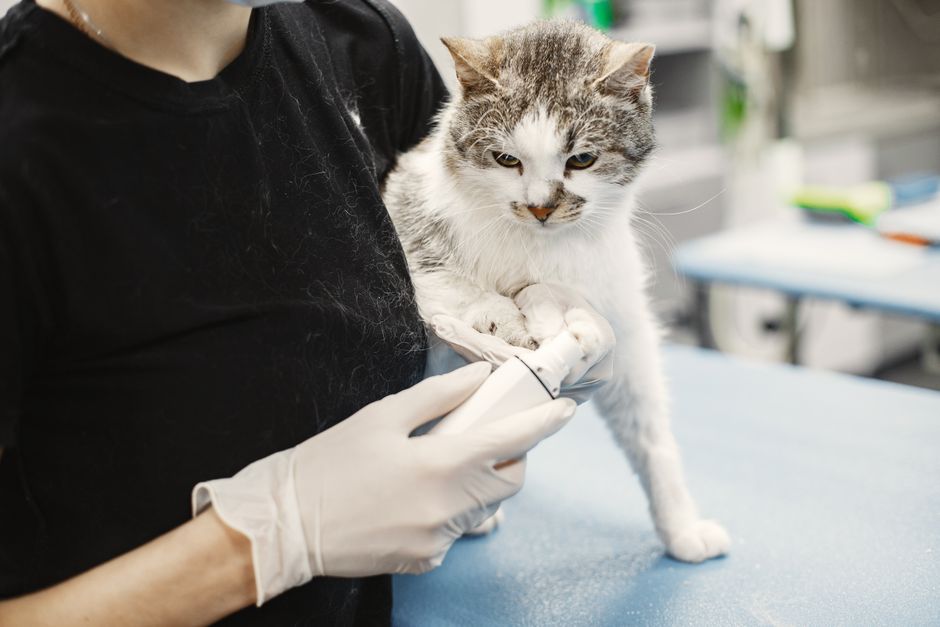
3. Support Skin and Coat Health with Better Nutrition
A healthy coat starts from the inside. If your pet’s diet lacks high-quality protein, essential fatty acids, vitamins, or minerals, their coat may become dull, dry, and more prone to shedding.
Ask your veterinarian whether your pet’s current food is appropriate for their age, breed, health status, and activity level. Some pets benefit from diets rich in omega-3 and omega-6 fatty acids, which support the skin barrier and coat condition.
Skin-Friendly Nutrition Tips
- Choose a complete and balanced pet food for your pet’s life stage.
- Avoid sudden diet changes, which can upset digestion.
- Ask your vet before adding fish oil or coat supplements.
- Make sure your pet always has access to clean, fresh water.
- Watch for signs of food allergies, such as itching, ear issues, or digestive upset.
Never start supplements without veterinary guidance, especially if your pet has pancreatitis, kidney disease, allergies, or is taking medication.
4. Bathe Your Pet Strategically, Not Constantly
Bathing can help remove loose hair, dirt, pollen, and dander—but too much bathing may dry out the skin and make shedding worse. For most pets, a bath every few weeks or as recommended by your veterinarian is enough.
Use a pet-safe shampoo, rinse thoroughly, and dry your pet completely. Leftover shampoo residue can irritate the skin. If your pet has allergies, your vet may recommend a medicated shampoo or a specific bathing schedule.
Vet-Approved Bathing Reminders
- Brush before bathing to remove loose fur and prevent tangles.
- Use lukewarm water, never hot water.
- Avoid human shampoos, which can disrupt pet skin pH.
- Dry thick-coated pets carefully to prevent damp undercoat irritation.
- Call your vet if bathing causes redness, itching, or flakes.
5. Control Allergens, Fleas, and Skin Irritants
Spring brings pollen, grass, insects, and environmental allergens. If your pet is scratching, licking, chewing, or losing hair in patches, shedding may be more than seasonal coat turnover.
Fleas, mites, allergies, and skin infections can all cause abnormal shedding. The American Veterinary Medical Association encourages pet owners to seek veterinary care when pets show signs of illness, discomfort, or unusual changes in behavior or appearance.
Signs Your Pet Should See a Vet
- Bald spots or thinning patches
- Red, inflamed, scabby, or flaky skin
- Constant scratching, chewing, or licking
- Bad odor from the skin or ears
- Sudden heavy shedding outside normal seasonal patterns
- Changes in appetite, energy, or mood
Routine flea prevention is also important, even for indoor pets. Your vet can recommend a safe product based on your pet’s species, weight, age, and health history.

6. Clean Fur from Your Home Before It Builds Up
Even with the best grooming routine, spring shedding will still leave some fur behind. The trick is to remove hair regularly before it becomes deeply embedded in carpets, couches, pet beds, and car seats.
Vacuuming is helpful, but it does not always lift stubborn hair from fabric. That is where a manual fur remover can make a big difference. PetNest Home’s portable manual hair removal agent carpet wool coat clothes shaver brush tool depilatory ball knitting plush double sided razor, also known as our viral Mini Fur Scraper, is battery-free, reusable, and built to lift embedded pet hair from carpets, couches, rugs, and upholstery.
Simple Spring Cleaning Routine for Pet Hair
- Brush your pet first, ideally outdoors or in an easy-to-clean area.
- Wash pet bedding weekly in hot water if the fabric allows.
- Use a reusable fur scraper on sofas, rugs, and car interiors.
- Vacuum high-traffic rooms at least a few times per week.
- Keep washable throws on favorite pet lounging spots.
If you live with several pets, you may also enjoy our practical guide on how to keep house clean with multiple pets.
7. Build a Calm, Consistent Grooming Habit
Pets are more likely to cooperate with grooming when it feels safe, predictable, and rewarding. Instead of waiting until fur is everywhere, make grooming part of your spring routine.
Start with short sessions and reward your pet with praise, treats, or play. For nervous pets, simply let them sniff the grooming tool before using it. Keep sessions positive and stop before your pet becomes overwhelmed.
Make Grooming Easier for You and Your Pet
- Choose a quiet time of day when your pet is relaxed.
- Groom in the same comfortable location each time.
- Use gentle pressure, especially around the belly, legs, and tail.
- Pair grooming with treats or calm verbal praise.
- Keep tools clean and ready so the habit is easy to maintain.
A consistent routine can reduce loose fur, help you spot skin issues early, and strengthen the bond between you and your pet.
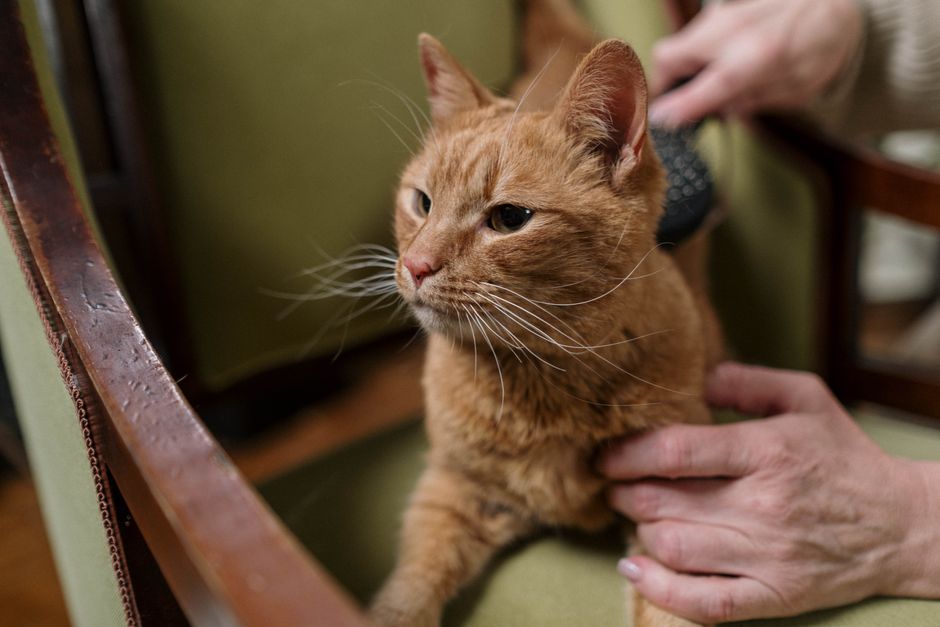
Quick Comparison: Grooming vs. Cleaning Tools
For best results, use both a grooming tool and a home hair-removal tool. One helps stop shedding at the source, while the other removes fur from your living spaces.
| Tool Type | Use It For | Best Time to Use |
|---|---|---|
| De-Shedding Glove | Removing loose fur from your pet’s coat | Before fur falls around the home |
| Mini Fur Scraper | Lifting embedded hair from fabric surfaces | After fur collects on carpets, couches, or car seats |
| Vacuum | General floor and surface cleaning | Several times weekly during spring |
| Washable Covers | Protecting furniture and pet beds | Daily use, weekly washing |
Frequently Asked Questions
Is excessive pet shedding in spring normal?
Yes, increased shedding in spring is often normal, especially for double-coated dogs and cats. They shed their winter coat as the weather warms. However, sudden extreme shedding, bald patches, itching, or irritated skin should be checked by a veterinarian.
Can I stop my pet from shedding completely?
No. Shedding is a natural process for most pets. The goal is not to stop it completely, but to manage it with regular grooming, good nutrition, flea prevention, and effective home hair removal.
How long does spring shedding last?
It varies by breed, coat type, climate, and indoor environment. Some pets shed heavily for a few weeks, while others shed moderately throughout the season.
Do indoor pets shed in spring?
Yes. Indoor pets can still respond to seasonal light changes, although heating, air conditioning, and artificial lighting may make their shedding pattern less predictable.
What is the best tool for pet hair on couches and carpets?
For deeply embedded fur, a reusable manual scraper is often more effective than sticky rollers. PetNest Home’s Mini Fur Scraper is designed for carpets, couches, rugs, and upholstery without batteries or disposable sheets.
Conclusion: Spring Shedding Is Manageable with the Right Routine
Excessive pet shedding in spring can feel overwhelming, but it does not have to take over your home. By brushing more often, choosing the right grooming tool, supporting healthy skin, bathing wisely, controlling allergens, and cleaning fur before it builds up, you can make shedding season much easier.
Most importantly, pay attention to your pet’s skin and behavior. Seasonal shedding is normal, but discomfort, bald spots, or irritated skin deserve veterinary attention.
Ready for a Cleaner, Fur-Free Home?
Make spring shedding easier with eco-friendly, battery-free tools from PetNest Home. Use our De-Shedding Glove to remove loose fur at the source, then tackle carpets, couches, and car seats with our viral Mini Fur Scraper.
Shop reusable pet hair removal and grooming tools today at PetNestHome.com and enjoy a cleaner home all season long.
Author Note: Written by the PetNest Home Editorial Team. Our content is created to help pet parents make informed, practical choices about grooming, cleaning, and everyday pet care. This article is for educational purposes and should not replace advice from your veterinarian.

