

At What Age Can a Dog Start Wearing a Harness?
If you have a new puppy, a growing rescue dog, or a strong adult dog who pulls on walks, you may be wondering: at what age can a dog start wearing a harness? The short answer is that most puppies can start wearing a lightweight, well-fitted harness as early as 8 weeks old, as long as it is introduced gently and used for short, positive sessions.
However, age is only one part of the answer. The right time also depends on your dog’s size, confidence, vaccination status, body shape, and how well the harness fits. A harness should help your dog move safely and comfortably, not restrict their shoulders, rub their skin, or feel scary.
In this guide, we’ll walk through when puppies can start wearing a harness, how to introduce it, what type to choose, and when a stronger no-pull harness may be appropriate for larger or more powerful dogs.

Can an 8-Week-Old Puppy Wear a Harness?
Yes, in most cases, an 8-week-old puppy can wear a harness. Many puppies go to their new homes around this age, and it is a good time to begin gentle handling, basic leash manners, and positive walking habits.
At this stage, the harness should be:
- Lightweight so it does not overwhelm your puppy
- Soft and adjustable to prevent rubbing
- Easy to put on and remove for short training sessions
- Properly fitted with room for growth
- Used indoors first before outdoor walks
For very young puppies, the harness is not just walking gear. It is part of early socialization. Your goal is to teach your puppy that wearing a harness means good things: treats, praise, play, and calm exploration.
Harness vs. Collar: Which Is Better for Puppies?
A flat collar is useful for holding identification tags, but a harness is often safer and more comfortable for leash walking, especially for puppies who bounce, pull, stop suddenly, or get excited.
Puppies have delicate necks and developing bodies. Pulling on a collar can put pressure on the throat area, while a properly fitted harness spreads pressure across the chest and body. This is one reason many trainers and dog owners prefer harnesses for young dogs.
| Feature | Collar | Harness |
|---|---|---|
| Best use | ID tags and short supervised outings | Leash walking, training, and better control |
| Pressure point | Neck and throat | Chest and torso |
| Good for pullers? | Usually not ideal | Yes, especially no-pull styles |
| Risk of slipping out | Possible for some dogs | Less likely when fitted correctly |
| Best for strong dogs | Limited control | Better control and safer handling |
When Can a Puppy Start Walking Outside in a Harness?
Your puppy can start wearing a harness indoors right away, but outdoor walks depend on your veterinarian’s vaccination guidance. Young puppies are still building immunity, so many vets recommend avoiding high-traffic dog areas until the puppy has completed the appropriate vaccine schedule.
That does not mean your puppy has to stay completely isolated. You can still practice harness training at home, in your yard, on a clean driveway, or in safe low-risk areas approved by your vet.
Safe Early Harness Practice Ideas
- Let your puppy wear the harness for 2–5 minutes indoors
- Reward them with treats while the harness is on
- Attach a lightweight leash and let them drag it briefly under supervision
- Practice walking a few steps beside you in the living room
- Introduce outdoor sounds from a safe place, such as your porch or yard
If your puppy freezes, scratches, rolls, or bites at the harness, do not force it. Remove it calmly and try again later with more treats and a shorter session.

How to Introduce a Harness to a Puppy
The best harness training is slow, friendly, and positive. Puppies learn quickly, but they also remember uncomfortable experiences. A gentle first introduction can make future walks much easier.
Step 1: Let Your Puppy Sniff the Harness
Place the harness on the floor and allow your puppy to investigate it. Give praise or a small treat when they approach it. This helps the harness feel familiar instead of strange.
Step 2: Touch the Harness to Their Body
Before fastening anything, gently touch the harness to your puppy’s chest or back. Reward calm behavior. Keep it light and brief.
Step 3: Put It On for a Few Seconds
Slip the harness on, offer a treat, and remove it. Repeat this several times. You are teaching your puppy that the harness is not a trap or punishment.
Step 4: Increase Wearing Time
Once your puppy is relaxed, let them wear the harness for a few minutes while playing or eating. Gradually increase the time as they become comfortable.
Step 5: Add the Leash
Attach the leash only after your puppy accepts the harness. Keep the leash loose and avoid pulling. Encourage your puppy to follow you with a happy voice and rewards.
How Long Can a Puppy Wear a Harness?
A puppy should not wear a harness all day. Harnesses are designed for walks, training, travel, and supervised activities. Leaving one on for long periods can cause rubbing, matting, irritation, or chewing.
For young puppies, start with short sessions of a few minutes. As they grow comfortable, they can wear the harness for normal walks and outings. Always remove it after walks, especially if your puppy is wet, muddy, or tired.
If your dog gets dirty after an outdoor adventure, you may find these practical grooming tips helpful: can you clean a dog without a bath 5 quick dry grooming hacks.
What Type of Harness Is Best for a Young Puppy?
For a young puppy, choose a harness that is soft, simple, and adjustable. Puppies grow quickly, so fit matters more than style. Check the harness weekly to make sure it is not becoming too tight around the chest, belly, or shoulders.
Look for These Features
- Adjustable straps: Puppies can outgrow gear faster than expected.
- Soft edges: This helps prevent rubbing under the front legs.
- Secure buckles: The harness should stay on without pinching.
- Lightweight design: Small puppies do best with minimal bulk.
- Good shoulder freedom: Your puppy should move naturally.
Avoid These Problems
- Harnesses that sit too close to the throat
- Very heavy harnesses for tiny puppies
- Loose harnesses that twist or slide
- Straps that rub behind the front legs
- Leaving the harness on during crate time or unsupervised play
When Should a Dog Start Wearing a No-Pull Harness?
A no-pull harness can be introduced once your dog is old enough and large enough for the harness to fit correctly. For many puppies, this may happen during adolescence, when they become stronger, more curious, and more likely to pull toward people, dogs, smells, or exciting places.
Large and strong breeds may benefit from a no-pull harness earlier than smaller breeds, but the fit and training approach must still be appropriate. A no-pull harness is not a shortcut for training. It is a tool that helps you guide your dog more safely while teaching better leash manners.
This is where a product like the Big Dog Control Harness becomes especially useful. It is built for owners of strong dogs who want safer, easier, and more confident walks. A heavy-duty no-pull harness can help give you better control without putting pressure on your dog’s neck, making it ideal for big dogs that pull, jump, or get overly excited outside.

How to Tell If a Harness Fits Correctly
A harness that fits well should feel secure but not tight. A poor fit can make walking uncomfortable and may even encourage your dog to resist the harness.
Use the Two-Finger Rule
You should be able to slide two fingers between the harness and your dog’s body. If you cannot, it may be too tight. If you can fit much more than that, it may be too loose.
Check Movement
Your dog should be able to walk, sit, turn, and sniff naturally. Watch for shortened steps, stiffness, or reluctance to move.
Inspect for Rubbing
After the first few walks, check behind the front legs, around the chest, and under the belly. Redness, hair loss, or irritation means the harness may need adjustment or a different design.
Recheck Often for Growing Puppies
Puppies grow in spurts. A harness that fit last week may be snug today. Make fit checks part of your normal routine.
Age-by-Age Harness Guide
Every dog develops differently, but this general guide can help you decide what to focus on at each stage.
| Dog’s Age | Harness Use | Best Focus |
|---|---|---|
| 8–12 weeks | Short indoor sessions with a lightweight harness | Comfort, confidence, and positive association |
| 3–6 months | Short outdoor walks when vet-approved | Loose-leash basics and safe exploration |
| 6–12 months | More structured walks and training | Managing pulling, excitement, and distractions |
| 12+ months | Regular walking, hiking, parks, and adventures | Control, comfort, and long-term leash manners |
For more general information about dog breeds, growth, and behavior, resources like A-Z Animals can be helpful alongside advice from your veterinarian or qualified trainer.
Common Mistakes to Avoid
Harnesses are simple tools, but a few mistakes can make them less effective or uncomfortable for your dog.
- Starting with long walks too soon: Puppies tire quickly and need gradual exercise.
- Using the wrong size: A loose harness can slip; a tight one can rub.
- Pulling the leash constantly: Guide your dog gently instead of dragging them.
- Skipping training: A harness helps with control, but your dog still needs to learn leash manners.
- Leaving it on all day: Remove the harness after walks to protect your dog’s skin and coat.
What If My Dog Hates the Harness?
If your dog backs away, hides, or mouths the harness, slow down. Some dogs are sensitive to new gear, especially rescues or puppies with little handling experience.
Try placing treats near the harness, then on top of it, then through the neck opening. Do not rush to clip it on. Let your dog choose to move closer. Short, calm sessions are usually more successful than one long struggle.
If your dog continues to panic, consult a professional trainer or veterinarian. Pain, skin sensitivity, or past negative experiences can make harness training harder.
Is a Harness Good for Big Dogs?
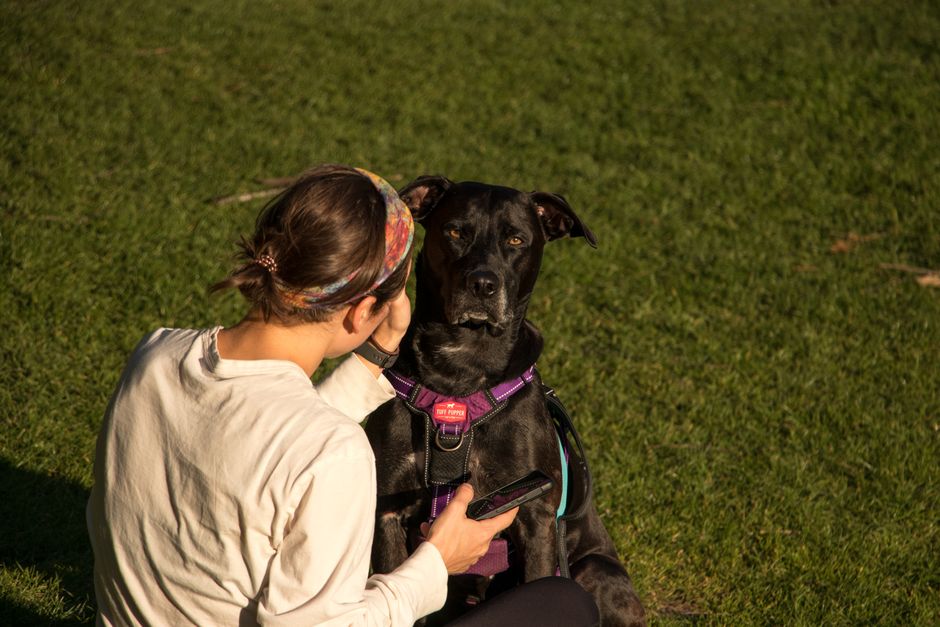
Yes, a harness can be especially helpful for big dogs, as long as it is strong enough and fitted properly. Large dogs can generate a lot of force when they pull, lunge, or jump. A sturdy harness gives you a safer point of control and helps reduce pressure on the neck.
The Big Dog Control Harness is designed for owners who are tired of fighting the leash. Whether you are walking through the neighborhood, visiting the park, practicing training, or heading out on an outdoor adventure, the right harness can help you feel more confident and in control.
For strong pullers, combine the harness with reward-based training. Reward your dog when the leash is loose, change direction before they build momentum, and practice around mild distractions before moving to busier places.
FAQ: At What Age Can a Dog Start Wearing a Harness?
Can a puppy wear a harness at 8 weeks old?
Yes, most puppies can begin wearing a lightweight harness at 8 weeks old for short, positive sessions. Keep it comfortable, supervised, and properly fitted.
Can a puppy sleep in a harness?
No, it is best to remove the harness during sleep, crate time, and unsupervised rest. This reduces the risk of rubbing, chewing, or getting caught on something.
Is a harness better than a collar for leash training?
For many puppies and strong dogs, yes. A harness can reduce pressure on the neck and give the owner better control. A collar is still useful for ID tags.
When can my puppy go outside in a harness?
Your puppy can practice wearing a harness indoors right away, but outdoor walks should follow your veterinarian’s vaccination and safety recommendations.
Can a harness stop my dog from pulling?
A no-pull harness can help manage pulling and improve control, but it works best when paired with consistent leash training and positive reinforcement.
How do I know if my puppy’s harness is too tight?
If you cannot fit two fingers between the harness and your puppy’s body, it may be too tight. Also watch for rubbing, redness, or restricted movement.
Conclusion
So, at what age can a dog start wearing a harness? For most puppies, the right age is around 8 weeks old, beginning with short, gentle sessions indoors. The key is to choose a soft, adjustable harness, introduce it positively, and check the fit often as your puppy grows.
As your dog becomes bigger, stronger, and more active, a reliable harness becomes even more important. For large dogs that pull, jump, or get excited outside, a heavy-duty no-pull design can make daily walks safer and more enjoyable.
Ready for Easier, Safer Walks?
If your dog is strong, energetic, or difficult to control on a leash, the Big Dog Control Harness is built to help you stop fighting the leash and start enjoying every walk again. Give your dog comfort, give yourself confidence, and make every outing feel more manageable.
Choose a harness that supports better control without putting pressure on your dog’s neck—and turn stressful walks into calmer adventures.
Author Note
PetNest Home Editorial Team
Our pet care content is created with practical, real-world dog ownership in mind. We focus on safe handling, comfort, and confidence for both dogs and their owners. For health, vaccination, or behavior concerns specific to your dog, always consult your veterinarian or a qualified professional trainer.

