

Can a No-Pull Harness Help With Leash Pulling?
If you own a large, strong dog that pulls on the leash, you already know a “simple walk” can feel like a workout. One squirrel, another dog, a loud truck, or an exciting smell can turn a calm stroll into a tug-of-war in seconds.
For many owners, the hardest part is not just the pulling itself. It is the loss of control, the pressure on your dog’s neck from a collar, the fear of being dragged, and the stress of wondering what might happen if your dog lunges or jumps unexpectedly.
So, can a no-pull harness help with leash pulling? Yes, for many dogs, a well-fitted no-pull harness can make walks safer, easier, and more controlled. It is not a magic cure, but it can be a powerful tool when combined with calm handling, training, and consistent walking habits.
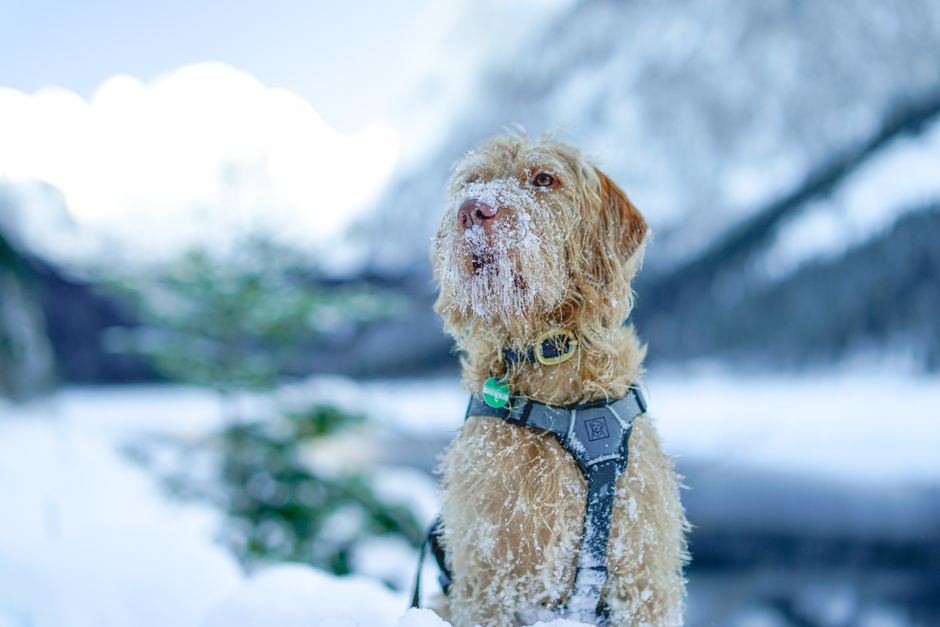
Why Strong Dogs Pull So Hard on the Leash
Dogs pull for simple reasons: the outside world is exciting, and pulling often works. If your dog pulls toward a tree, person, dog, or smell and eventually gets there, pulling becomes rewarding.
Large dogs can make this behavior feel much more serious because their strength gives them momentum. A small dog may pull and feel annoying. A big dog may pull and make you feel unsafe.
Common reasons strong dogs pull include:
- Excitement at the start of the walk
- Frustration when they see another dog or person
- High prey drive around squirrels, cats, or birds
- Lack of leash training
- Too much pressure or tension on the leash
- Using equipment that gives the owner little control
According to general training guidance from VCA Hospitals, leash pulling is often improved through a mix of appropriate equipment, reward-based training, and consistency. The harness helps with management, while training teaches the dog what to do instead.
Why Collar Pressure Can Be a Problem for Pulling Dogs
Traditional collars are common, but they are not always the best choice for dogs that pull hard. When a strong dog lunges forward on a collar, the force is concentrated around the neck and throat area.
This can be uncomfortable for the dog and stressful for the owner. You may hear coughing, gagging, or choking sounds when your dog hits the end of the leash. Even if your dog seems “fine,” repeated pressure on the neck is not ideal, especially during high-energy pulling or reactive moments.
A no-pull harness moves leash pressure away from the neck and onto the chest and body. This gives you a better point of control while helping your dog walk without constant throat pressure.
How a No-Pull Harness Helps With Leash Pulling
A no-pull harness is designed to reduce your dog’s ability to use their full body weight to drag you forward. Instead of connecting only at the neck, the leash attaches to the harness, usually at the front of the chest, the back, or both.
When used correctly, a no-pull harness can help in several ways:
- Better control: You can guide your dog from the chest and shoulders instead of pulling on the neck.
- Reduced forward power: A front clip can gently redirect your dog when they surge ahead.
- More confidence: Owners often feel safer walking strong dogs with secure, heavy-duty gear.
- Less neck strain: Pressure is distributed across the body instead of the throat.
- Improved training support: It becomes easier to reward calm walking and redirect unwanted behavior.
This is especially useful for big dogs that jump, lunge, zigzag, or get overly excited during walks.
Front-Clip vs Back-Clip Harness: What Is Better for Pulling?
One of the most important things to understand is the difference between a front-clip and back-clip harness. Both can be useful, but they are not the same.
| Harness Type | Best For | How It Helps | Possible Limitation |
|---|---|---|---|
| Front-Clip Harness | Dogs that pull, lunge, or need redirection | Turns the dog slightly toward you when they pull, reducing forward drive | May take a few walks for the dog to adjust |
| Back-Clip Harness | Calmer walks, jogging, hiking, and casual use | Comfortable and easy to attach | May allow strong pullers to lean forward and pull harder |
| Dual-Clip Harness | Strong dogs needing flexible control | Allows front control for training and back attachment for relaxed walking | Must be fitted properly for best results |
For leash pulling, a front-clip or dual-clip no-pull harness is often the better choice. The front attachment helps you guide the dog’s chest and shoulders, making it harder for them to throw their full weight forward.
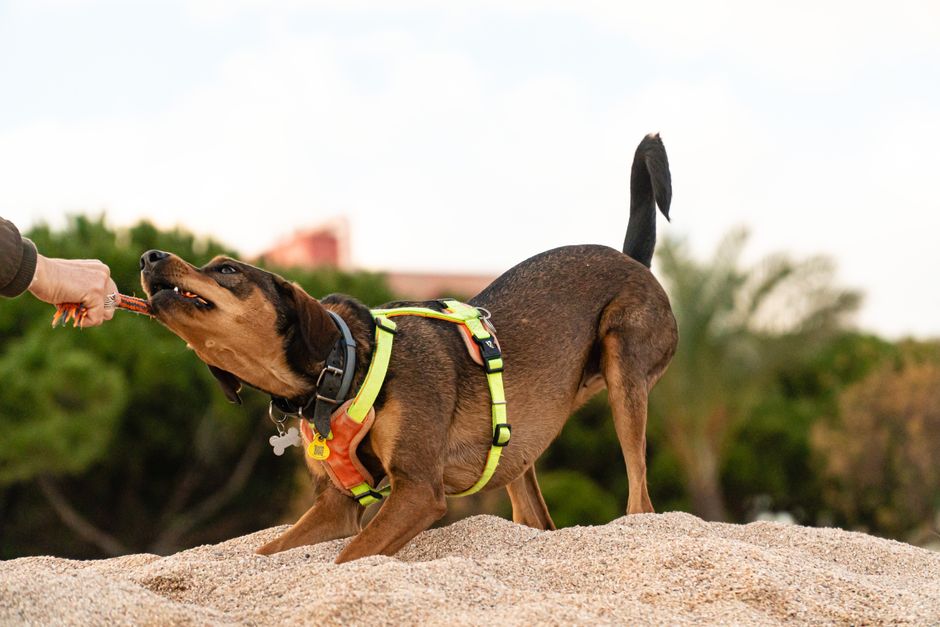
Will a No-Pull Harness Stop Pulling Completely?
A no-pull harness can help reduce pulling quickly, but it should not be treated as a complete training solution by itself. Think of it as steering support. It gives you better control so you can teach your dog better walking habits.
If your dog has spent months or years pulling, they may still try to pull when excited. The difference is that a good harness gives you a safer, more manageable way to respond.
For best results, pair the harness with simple training habits:
- Start the walk calmly before leaving the house.
- Reward your dog when the leash is loose.
- Stop walking when your dog pulls hard.
- Change direction before your dog reaches full pulling speed.
- Use a calm voice and avoid constant leash tension.
- Practice in low-distraction areas before busy parks or sidewalks.
Training resources like WagWalking also emphasize patience and consistency when teaching leash manners, especially for dogs that have learned to pull as a habit.
How a No-Pull Harness Helps With Reactive Walking
Reactive walking is when a dog barks, lunges, jumps, growls, or becomes overexcited around triggers such as dogs, people, bikes, or wildlife. For strong dogs, this can be overwhelming and sometimes embarrassing for the owner.
A no-pull harness does not “fix” reactivity on its own, but it can make reactive moments easier to manage. When the leash is attached at the chest, you can guide your dog’s body away from the trigger more effectively than with a collar alone.
If your dog reacts strongly outside, you may also find this related guide helpful: can a harness help with reactive dog walking.
For reactive dogs, safety matters. Keep distance from triggers, reward calm behavior, and avoid forcing face-to-face greetings. The harness is there to help you stay in control while you work on confidence and better responses.
What to Look for in a Heavy-Duty No-Pull Harness
Not every harness is built for large, powerful dogs. If your dog is strong, choose a harness designed for control, durability, and comfort.
1. Strong Materials
Look for reinforced stitching, durable webbing, secure buckles, and sturdy leash attachment points. A lightweight fashion harness may not be enough for a dog that lunges hard.
2. Front and Back Leash Clips
A front clip helps with pulling control, while a back clip is useful for relaxed walks or outdoor adventures. Having both gives you flexibility.
3. Comfortable Chest and Shoulder Fit
The harness should sit securely around the chest without rubbing behind the front legs. It should allow natural shoulder movement while still giving you control.
4. Adjustable Straps
Large dogs come in many shapes: deep-chested, broad-shouldered, muscular, tall, or stocky. Adjustable straps help create a secure fit.
5. A Handle for Extra Control
A strong top handle can be helpful when you need close control, such as passing another dog, crossing a busy street, or helping your dog stay calm in a crowded place.

How to Fit a No-Pull Harness Correctly
Fit is one of the biggest factors in whether a no-pull harness works well. A harness that is too loose may shift, twist, or allow your dog to back out. A harness that is too tight can rub or restrict movement.
Use these basic fit checks:
- You should be able to fit two fingers under the straps.
- The chest piece should sit centered, not sliding to one side.
- The straps should not dig into the armpit area.
- Your dog should be able to walk naturally without stiffness.
- Check the fit again after a few minutes of walking.
If your dog is between sizes, measure carefully around the chest and neck area before choosing. For strong dogs, a secure fit is not just about comfort; it is also about safety.
Real-World Walking Tips for Big Dogs That Pull
A harness gives you better control, but your walking technique matters too. Try these practical tips during daily walks:
Keep the Leash Short but Relaxed
A short leash gives better control, but it should not be tight the entire time. Constant tension can make some dogs pull harder. Aim for a relaxed leash with enough room for natural movement.
Use Your Body Position
Keep your dog beside you or slightly behind your lead leg when passing distractions. Avoid letting your dog walk far ahead if they are likely to lunge.
Practice “Let’s Go” Turns
Before your dog locks onto a trigger, say “let’s go” and turn away. Reward them when they follow. This is easier with a front-clip harness because you can guide the chest gently.
Do Not Wait Until the Explosion
If your dog is already barking, jumping, and pulling at full strength, learning is harder. Create distance early and reward calm attention before your dog reaches that point.
Use the Right Gear for Travel Too
If your dog joins you in the car before walks or adventures, safety does not stop at the sidewalk. Learn more here: can a dog harness be used with a car seat belt.
Is a No-Pull Harness Right for Your Dog?
A no-pull harness may be a good choice if your dog:
- Pulls hard on a collar
- Coughs or chokes during walks
- Lunges at dogs, people, cars, or wildlife
- Jumps when excited outside
- Is difficult to control with standard walking gear
- Makes you feel nervous or unsteady during walks
It is especially helpful for large breeds and powerful mixed-breed dogs because it gives owners a better control point without relying on neck pressure.
FAQ: No-Pull Harnesses for Strong Dogs
Can a no-pull harness hurt my dog?
A properly fitted no-pull harness should not hurt your dog. It should sit comfortably around the chest and body without rubbing, pinching, or restricting shoulder movement. Always check the fit before long walks.
Is a front-clip harness better than a collar?
For dogs that pull hard, a front-clip harness often provides better control and reduces pressure on the neck. A collar can still hold ID tags, but many owners prefer attaching the leash to a harness for walks.
Will my dog learn to stop pulling?
Yes, many dogs improve with a no-pull harness and consistent training. Reward loose-leash walking, stop when pulling starts, and practice in calm areas before adding distractions.
Can I use a back-clip harness for a dog that pulls?
You can, but a back-clip harness may allow strong dogs to lean forward and pull with more power. For pulling control, a front clip or dual-clip harness is usually more effective.
What leash works best with a no-pull harness?
A sturdy standard leash is usually best. Avoid retractable leashes for strong pullers because they can reduce control and encourage the dog to move ahead with tension.
Conclusion: A No-Pull Harness Can Make Walks Safer and Easier
So, can a no-pull harness help with leash pulling? Yes. For large, strong dogs, the right harness can make a major difference in control, comfort, and owner confidence.
By moving pressure away from the neck and giving you better guidance through the chest and shoulders, a no-pull harness helps you manage pulling, lunging, jumping, and overexcitement more safely. It works best when paired with patient training and calm, consistent leash handling.
If walks currently feel stressful, exhausting, or unpredictable, upgrading your gear is a practical first step toward better daily walks.
Ready to Stop Fighting the Leash?
For owners of powerful dogs who want safer, easier, and more confident walks, the Big Dog Control Harness is built to help manage pulling without putting pressure on your dog’s neck. It is a strong, practical choice for daily walks, training, parks, and outdoor adventures with dogs that need extra control.
Start building calmer walks today, one step at a time.
Author Note: Written by the PetNest Home Editorial Team, with a focus on practical dog-walking safety, comfort, and confidence for owners of large and strong dogs.

