

Can Dogs Wear Harnesses All Day? A Practical Guide for Owners of Strong Pulling Dogs
If you have a large, powerful dog that pulls, lunges, jumps, or gets overexcited on walks, a harness can feel like a lifesaver. It can give you more control, reduce pressure on your dog’s neck, and help you feel safer when another dog, cyclist, squirrel, or stranger appears around the corner.
But once you find a harness that works, it is natural to ask: can dogs wear harnesses all day? The short answer is: usually, no. A well-fitted harness is excellent for walks, training, travel, parks, and outdoor adventures, but most dogs should not wear one 24/7, especially when resting, sleeping, or left unsupervised.
For strong dogs, the goal is not to keep the harness on all day “just in case.” The goal is to use the right harness at the right time so walks become calmer, safer, and easier to manage.
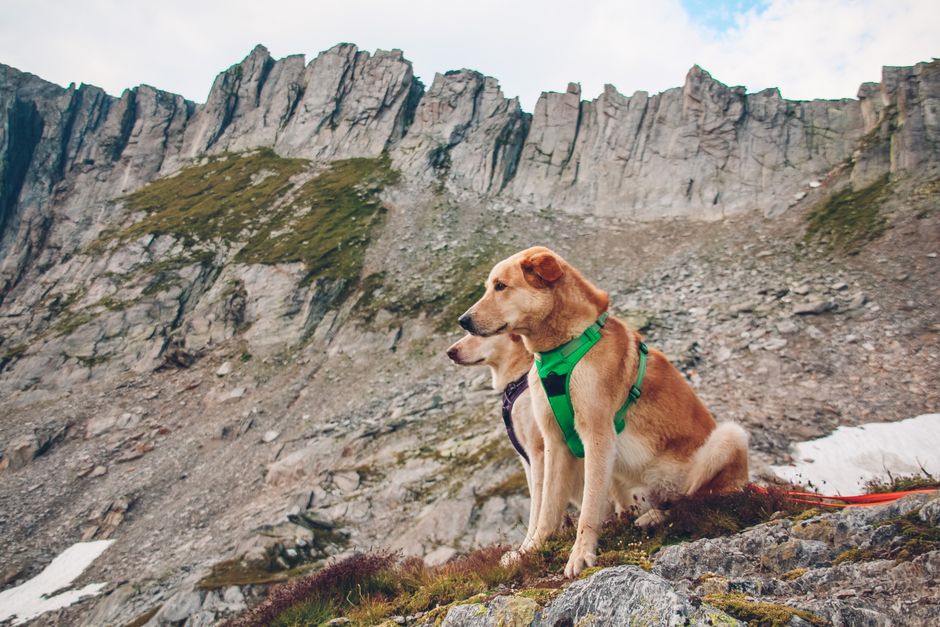
So, Can Dogs Wear Harnesses All Day?
Most dogs can wear a harness comfortably for several hours during active use, such as walking, hiking, training, car travel, or supervised outdoor time. However, wearing a harness all day every day can cause problems, even if the harness is high quality.
Potential issues include:
- Rubbing under the armpits or around the chest
- Skin irritation, especially in hot or humid weather
- Matting in long-haired or double-coated dogs
- Pressure points if the fit is too tight
- Chewing risk if the dog is left unattended
- Reduced comfort during sleep or relaxation
A harness is a tool, not clothing your dog needs to wear constantly. Think of it like walking shoes: useful outside, but not something you want to sleep in.
Why Strong Dogs Often Do Better in a Harness Than a Collar
For calm dogs that walk politely, a flat collar may be enough for ID tags and light leash use. But for big dogs that pull hard, a collar can concentrate pressure around the neck and throat. When a powerful dog lunges suddenly, that pressure may be uncomfortable and can make the walk feel more chaotic for both of you.
A properly fitted harness spreads leash pressure across the chest and body instead of focusing it on the neck. This is especially helpful for dogs that:
- Pull from the start of the walk
- Lunge toward other dogs or people
- Jump when excited
- Have thick necks or strong shoulders
- Slip out of collars
- Need extra guidance during training
Trusted veterinary resources such as VCA Hospitals often emphasize that equipment should support safe handling and reduce unnecessary strain. For strong dogs, that usually means choosing gear that improves control without relying on neck pressure.
Harnesses Help With Control, But They Do Not Replace Training
A no-pull harness can make a major difference, but it is not magic. It gives you better leverage and helps redirect your dog’s body, especially through the chest and shoulders. Training teaches your dog what to do instead of pulling.
For example, if your dog sees another dog and explodes forward, a good harness can help you regain control faster. But regular practice teaches your dog to check in with you, slow down, and respond to cues before the leash becomes tight.
Helpful real-world habits include:
- Rewarding your dog when the leash is loose
- Changing direction before your dog reaches full pulling power
- Creating distance from triggers before your dog reacts
- Using calm praise instead of constant leash tension
- Practicing short, focused walks instead of one long stressful walk
Training guides from resources like WagWalking also commonly recommend consistency, patience, and positive reinforcement when teaching better leash manners.
Front-Clip vs Back-Clip Harness: Which Is Better for Pulling?
One of the biggest questions for owners of strong dogs is whether to use a front-clip or back-clip harness. Both can be useful, but they work differently.
| Harness Clip Type | Best For | How It Helps | Possible Drawback |
|---|---|---|---|
| Front-Clip Harness | Dogs that pull, lunge, or need redirection | Turns the dog’s chest slightly back toward you when they pull | May tangle under the front legs if the leash is too loose or the fit is poor |
| Back-Clip Harness | Casual walking, hiking, and dogs with decent leash manners | Keeps the leash away from the legs and is comfortable for steady movement | Can encourage strong pullers to lean into the harness |
| Dual-Clip Harness | Strong dogs in training | Allows front control for pulling and back control for relaxed walking | Requires proper leash handling and adjustment |
For many big, powerful dogs, a front-clip or dual-clip no-pull harness offers the best balance of comfort and control. The front attachment helps guide the chest and shoulders, which gives you more influence over your dog’s direction without yanking on the neck.
When Should Your Dog Wear a Harness?
Your dog should wear a harness during moments when safety, control, and guidance matter most. This includes:
- Daily neighborhood walks
- Training sessions
- Vet visits
- Car trips when used with a suitable restraint system
- Busy public places
- Parks, trails, and outdoor adventures
- Any situation where your dog may pull, jump, or get excited
If your dog is powerful enough to drag you toward a distraction, using a strong harness during walks is not just convenient. It can help prevent falls, leash burns, escaped dogs, and stressful encounters.

When Should You Take the Harness Off?
Even if your dog loves their harness, there are times when it is better to remove it. Take the harness off when your dog is:
- Sleeping overnight
- Resting in a crate
- Left home alone
- Wet after swimming or rain
- Showing signs of rubbing or irritation
- Chewing at the straps
- Relaxing indoors with no need for leash control
Removing the harness gives the skin and coat time to breathe. It also reduces the chance of your dog catching the harness on furniture, crate wires, branches, or other objects.
How to Tell If a Harness Fits Correctly
Fit matters more than many owners realize. A harness that is too loose can shift, twist, or allow escape. A harness that is too tight can rub, pinch, or restrict natural movement.
Use these fit checks:
- You should be able to fit two fingers between the harness and your dog’s body.
- The chest strap should sit securely without sliding into the throat.
- The shoulder area should allow natural movement.
- The belly strap should not rub directly behind the front legs.
- The harness should not twist sideways when your dog pulls.
- Clips, buckles, and stitching should feel strong enough for your dog’s size and strength.
If you have a large breed or muscular dog, durability matters. Thin straps and weak hardware may not hold up to sudden lunges. If you are comparing options, this guide on are heavy duty harnesses better for strong dogs can help you understand why stronger materials and secure construction are important.
Why Padding Can Make a Big Difference
Owners often focus on strength first, but comfort matters too. A harness for a strong dog should not feel like rough equipment strapped to the body. Padding can help reduce rubbing across the chest, shoulders, and belly, especially during longer walks or training sessions.
This is particularly important for short-coated breeds, senior dogs, and dogs with sensitive skin. If your dog pulls hard, padding helps soften contact points while you work on better leash manners. For a deeper look at comfort and fit, read are padded harnesses better for big dogs.
Real Walking Problems a Good Harness Can Help With
Leash Pulling
A no-pull harness helps reduce the “sled dog” effect by giving you more control over your dog’s chest and direction. Instead of your dog driving forward from the neck, you can guide their body more safely.
Lunging at Dogs or People
Reactive walking can feel embarrassing and exhausting. A front-clip harness can help you redirect your dog before they hit the end of the leash with full force.
Jumping When Excited
Large dogs can accidentally knock people over. A sturdy harness with a secure handle or strong leash attachment can help you manage excited greetings more safely.
Owner Confidence
When you feel like you can physically manage your dog, you are calmer. That calmness travels down the leash. Better equipment can help you stop bracing for disaster and start walking with more confidence.
How Long Is Too Long for a Dog to Wear a Harness?
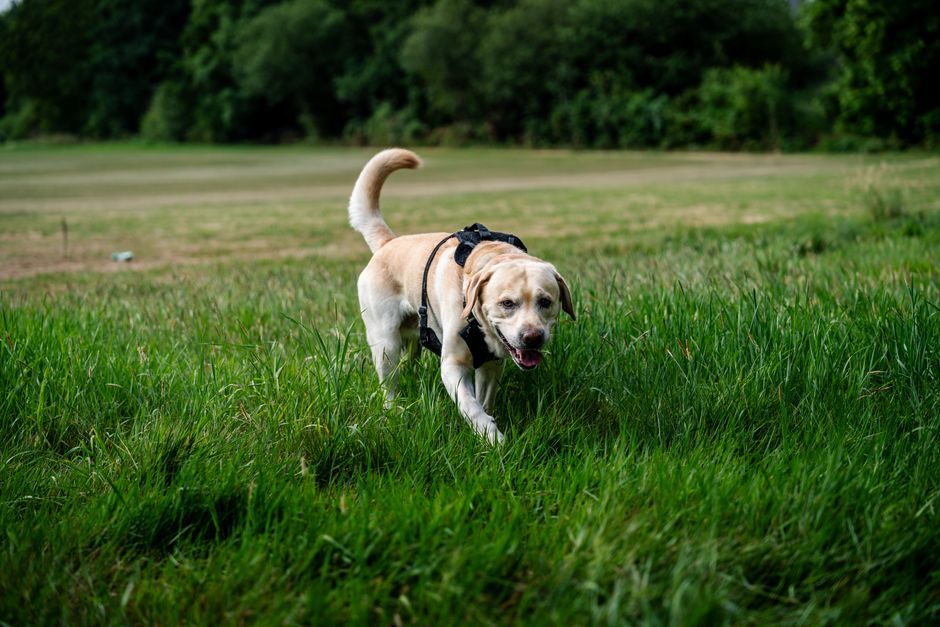
There is no single number that fits every dog. A comfortable, well-fitted harness may be fine for a few hours of supervised activity. But all-day wear, every day, is usually unnecessary and may lead to discomfort over time.
Consider these factors:
- Coat type: Long-haired dogs may mat under straps faster.
- Skin sensitivity: Some dogs develop irritation more easily.
- Weather: Heat and moisture can increase rubbing.
- Activity level: Running, pulling, and rolling create more friction.
- Harness design: Wide, padded, adjustable harnesses are generally more comfortable than thin, poorly fitted ones.
A good routine is simple: put the harness on before walks, training, travel, or outdoor activity, then remove it when your dog is safely back home and relaxed.
Safety Tips for Walking a Strong Dog in a Harness
A harness gives you better control, but leash handling still matters. Use these tips to make walks safer:
- Keep your leash short enough for control, but not constantly tight.
- Avoid retractable leashes with powerful pullers.
- Hold the leash with two hands when passing triggers.
- Practice “turn and go” before your dog locks onto distractions.
- Reward attention before pulling starts.
- Check buckles and stitching regularly.
- Do not leave the harness on if it is wet, twisted, or rubbing.
If your dog is extremely reactive or difficult to control, consider working with a qualified positive-reinforcement trainer. The right harness plus the right training plan can change the entire walking experience.
What to Look for in a Harness for Large, Strong Dogs
When choosing a harness for a big puller, look for features that support both control and comfort:
- Heavy-duty materials designed for strong dogs
- Front-clip attachment for no-pull control
- Back-clip attachment for regular walking
- Adjustable straps for a secure fit
- Padded chest and body panels
- Strong buckles and reinforced stitching
- A design that avoids pressure on the neck
- Optional handle for close control in busy areas
The right harness should help you guide your dog without turning every walk into a wrestling match. It should feel secure, comfortable, and reliable when your dog suddenly gets excited.
FAQ: Can Dogs Wear Harnesses All Day?
Is it bad for a dog to wear a harness all day?
It can be, especially if the harness rubs, traps moisture, causes matting, or is worn while the dog is sleeping or unsupervised. Most dogs should wear a harness during walks and activities, then have it removed at home.
Can my dog sleep in a harness?
It is usually better to remove the harness before sleep. Dogs change positions often, and straps can twist, press into the body, or become uncomfortable overnight.
Is a harness better than a collar for a dog that pulls?
For many strong pullers, yes. A harness helps reduce neck pressure and gives you more control through the chest and shoulders. Collars are still useful for ID tags, but they may not be the safest leash attachment for powerful dogs that lunge or pull hard.
Should I use a front clip or back clip for my strong dog?
A front clip is often better for pulling and redirection. A back clip can be useful for relaxed walks, hiking, or dogs with good leash manners. Many owners of strong dogs prefer a dual-clip harness for flexibility.
How do I know if my dog’s harness is too tight?
If you cannot fit two fingers under the straps, if your dog’s movement looks restricted, or if you notice redness, hair loss, or rubbing, the harness may be too tight or poorly positioned.
Can a harness stop my dog from pulling completely?
A no-pull harness can reduce pulling and improve control, but training is still important. The harness helps manage the behavior while you teach your dog to walk calmly on a loose leash.
Conclusion: Use the Harness When It Helps, Remove It When It Does Not
So, can dogs wear harnesses all day? In most cases, they should not. A harness is best used for walks, training, travel, and supervised outdoor time. When your dog is resting at home, sleeping, or left alone, it is usually safer and more comfortable to take it off.
For owners of large, strong dogs, the right harness can be a game changer. It can reduce collar neck pressure, improve leash control, help manage lunging and jumping, and make walks feel less stressful. The key is choosing a durable, well-fitted harness designed for real pulling power.
Ready to Enjoy Safer, Easier Walks?
If you are tired of fighting the leash, bracing for sudden lunges, or worrying about pressure on your dog’s neck, consider upgrading to a heavy-duty no-pull control harness made for big dogs. The Big Dog Control Harness is designed to help strong dog owners feel more secure, more confident, and more in control on daily walks, training sessions, parks, and outdoor adventures.
Put it on when it is time to walk, train, and explore. Take it off when it is time to rest. That simple routine can help your dog stay comfortable while helping you enjoy every walk again.
Author Note: Written by the PetNest Home Editorial Team. Our content is created to help dog owners make safer, more practical choices for everyday walking, training, and home care. Always check your dog’s fit, comfort, and behavior, and consult your veterinarian or a qualified trainer if you have concerns about your dog’s health or reactivity.

