

Is My Dog Sad or Sick? 5 Signs Your Pup Is in Pain
If you have ever looked at your dog curled up quietly in the corner and wondered, “Is my dog sad or sick?” you are not alone. Dogs cannot tell us when something hurts, so they communicate through small changes in behavior, appetite, posture, grooming habits, and energy levels.
Some signs may look like sadness, boredom, or “just getting older,” but they can also point to pain or illness. The good news is that attentive pet parents can often spot early warning signs and get help before a problem becomes more serious.
At PetNest Home, we spend a lot of time thinking about everyday pet comfort, from healthier grooming routines to cleaner, fur-free living spaces. This guide will help you understand five common signs your pup may be in pain, what you can safely do at home, and when it is time to call your veterinarian.

Sad Dog or Sick Dog: Why It Can Be Hard to Tell
Dogs are naturally good at hiding discomfort. In the wild, showing pain could make an animal seem vulnerable, and many domestic dogs still have that instinct. This means your pup may keep wagging, walking, or eating even when something feels wrong.
A sad dog may seem withdrawn after a change in routine, a move, loss of a companion, or lack of stimulation. A sick or painful dog may show similar behavior, but often with physical clues too.
Common reasons dogs may seem “sad”
- Changes in household routine or environment
- Separation anxiety or loneliness
- Boredom or lack of exercise
- Aging-related changes
- Hidden pain, injury, or illness
Because emotional and physical discomfort can overlap, it is always wise to look at the whole picture. When in doubt, contact your vet, especially if the change is sudden, severe, or lasts more than a day or two.
Quick Comparison: Is My Dog Sad or Sick?
| What You Notice | More Likely Sadness or Stress | More Likely Pain or Illness |
|---|---|---|
| Low energy | Still interested in favorite treats or walks | Refuses activities, seems weak, or tires quickly |
| Appetite change | Eats later or needs encouragement | Skips meals, vomits, or has diarrhea |
| Hiding | Comes out for attention or play | Stays hidden, growls when touched, or trembles |
| Body language | Relaxed body but less playful | Hunched back, limping, stiffness, or tense belly |
| Vocal changes | Whining when alone or seeking attention | Whimpers, yelps, pants heavily, or cries when moving |
5 Signs Your Pup Is in Pain
1. Sudden Changes in Behavior or Personality
One of the first signs your dog may be in pain is a change in how they act. A normally social pup may hide under the bed. A gentle dog may snap when touched. A playful dog may lose interest in toys, walks, or family time.
These behavior changes are easy to mistake for sadness, but pain can make dogs anxious, irritable, clingy, or unusually quiet.
Watch for:
- Hiding or avoiding family members
- Unusual aggression or sensitivity to touch
- Restlessness, pacing, or inability to settle
- Sleeping much more than usual
- Loss of interest in favorite activities
If your dog suddenly acts “not like themselves,” trust your instincts. You know your pup’s normal personality better than anyone. A quick call to your veterinary clinic can help you decide whether your dog should be seen.
2. Changes in Appetite, Drinking, or Bathroom Habits
A dog who skips one meal may simply have an upset stomach or be less hungry after a quiet day. But ongoing changes in appetite, drinking, urination, or stool can signal pain or illness.
Dental pain, nausea, digestive issues, infections, kidney concerns, and many other conditions can affect eating and drinking. If your dog approaches the food bowl but backs away, chews on one side, drops food, or seems interested but hesitant, mouth pain may be involved.
Pay attention to:
- Refusing food for more than 24 hours
- Drinking much more or much less than usual
- Vomiting or diarrhea
- Straining to urinate or defecate
- Blood in urine or stool
- Bad breath, drooling, or pawing at the mouth
According to veterinary guidance from organizations like the American Veterinary Medical Association, changes in eating, drinking, and elimination are important health clues and should not be ignored.
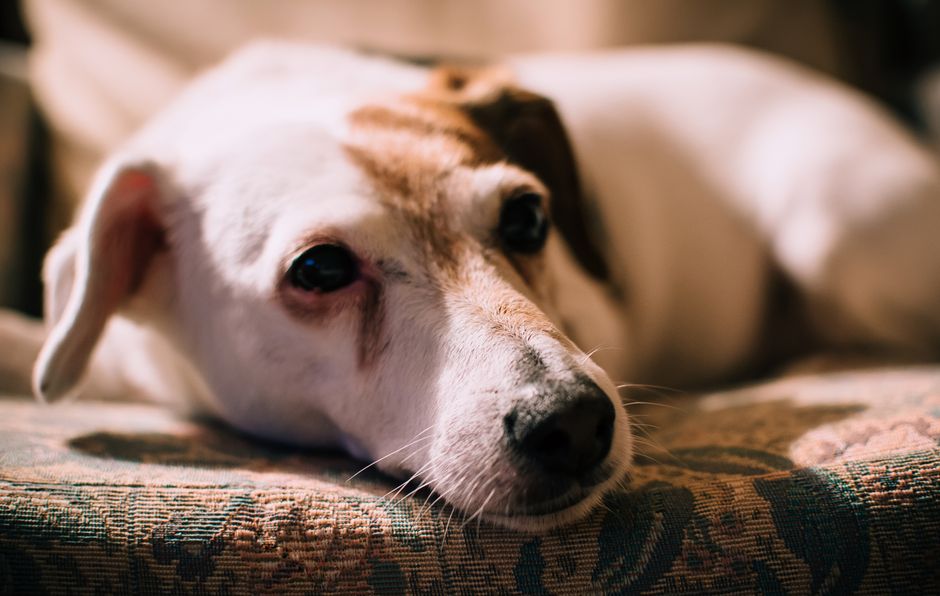
3. Limping, Stiffness, or Reluctance to Move
Mobility changes are among the clearest signs your pup may be in pain. Some dogs limp dramatically, while others show only subtle hesitation. They may pause before jumping into the car, avoid stairs, walk more slowly, or struggle to get up after resting.
Common causes include pulled muscles, paw injuries, arthritis, joint issues, back pain, or nail problems. Senior dogs are especially prone to stiffness, but pain should never be dismissed as “just old age.”
Look for:
- Limping or favoring one leg
- Difficulty standing up or lying down
- Reluctance to climb stairs or jump
- Stiffness after naps
- Shaking, trembling, or a hunched posture
- Licking one paw, leg, or joint repeatedly
Check your dog’s paws gently for thorns, cuts, cracked pads, or irritated skin. Do not force painful movement, and never give human pain medication unless your veterinarian specifically instructs you to do so. Many common human medicines can be dangerous for dogs.
4. Excessive Licking, Grooming, Shedding, or Coat Changes
Dogs often lick areas that hurt. If your pup repeatedly licks a paw, hip, belly, or joint, it could be a sign of pain, skin irritation, allergies, a wound, or even stress. Over time, licking can cause redness, hair loss, hot spots, and infection.
Coat changes can also offer clues. A dog who feels unwell may stop grooming normally, develop a dull coat, or shed differently. While shedding is normal for most dogs, sudden excessive shedding alongside itching, bald patches, skin odor, or behavior changes may deserve a closer look.
If you are unsure what is normal, our guide on is your pet shedding too much normal shedding vs signs of health issues explains when fur loss may point to a health concern.
Healthy grooming is not just about appearance. It gives you a regular chance to feel for lumps, bumps, sore spots, mats, ticks, skin changes, or areas your dog reacts to when touched.
For gentle at-home grooming, PetNest Home’s reusable De-Shedding Glove helps remove loose fur while giving your dog a calming, massage-like experience. If your dog suddenly dislikes being brushed or touched in a specific area, stop and monitor closely. Pain may be the reason.
5. Unusual Vocalizing, Panting, or Breathing Sounds
Some dogs cry when they are hurt, but many do not. Instead, you may notice more subtle sounds such as whining, groaning, grunting, sighing, or heavy panting while resting.
Panting after exercise is normal. Panting while lying still in a cool room can be a sign of pain, stress, fever, nausea, or breathing difficulty. If your dog is making strange respiratory sounds, coughing, or seems to struggle for air, seek veterinary help promptly.
Some snorts and grunts may be harmless, especially in certain breeds, but changes matter. If your dog’s noises are new or paired with discomfort, read more about why is my dog grunting like a pig normal vs concerning signs.
Contact your vet urgently if you notice:
- Labored breathing or blue/pale gums
- Continuous crying or yelping
- Heavy panting at rest
- Collapse, weakness, or disorientation
- A swollen or painful belly

What to Do If You Think Your Dog Is in Pain
If you are asking, “Is my dog sad or sick?” start with calm observation. Write down what changed, when it started, and whether it is getting better or worse. This information can be very helpful for your veterinarian.
Safe steps you can take at home
- Keep your dog comfortable: Offer a quiet, warm resting area away from noise and rough play.
- Limit activity: Avoid stairs, jumping, running, and intense play until you know what is wrong.
- Check gently: Look for visible cuts, swelling, ticks, broken nails, or objects stuck in paws.
- Monitor food and water: Track appetite, thirst, vomiting, diarrhea, and bathroom habits.
- Avoid human medications: Do not give pain relievers without veterinary direction.
- Call your vet: Describe symptoms clearly and ask whether your dog needs an appointment or emergency care.
Trusted pet health resources such as PetMD’s veterinary-reviewed dog health library can help you learn about possible causes, but online research should never replace a hands-on veterinary exam.
When to See a Veterinarian Immediately
Some symptoms should be treated as urgent. Seek veterinary care right away if your dog has severe pain, trouble breathing, repeated vomiting, collapse, seizures, suspected poisoning, a major wound, bloated abdomen, inability to urinate, or sudden paralysis.
You should also call your vet if your dog’s mild symptoms last more than 24 to 48 hours, or sooner if your pup is very young, elderly, pregnant, or has an existing medical condition.
How Grooming Can Help You Notice Pain Earlier
Regular grooming is one of the simplest ways to spot health changes early. When you brush, pet, or de-shed your dog, you become familiar with what feels normal: their coat texture, skin, body condition, and sensitive areas.
However, grooming should always be gentle. Tugging mats, brushing too hard, or ignoring skin irritation can make discomfort worse. If you want to improve your routine, read our article on 5 daily grooming mistakes that are secretly ruining your pet s coat.
PetNest Home’s battery-free grooming tools are designed for practical, low-waste pet care. Use the De-Shedding Glove to remove loose hair directly from your dog’s coat, and the viral Mini Fur Scraper to lift stubborn embedded fur from couches, carpets, stairs, and car seats. Both are reusable, durable, and shipped worldwide.
FAQ: Is My Dog Sad or Sick?
How can I tell if my dog is sad or in pain?
Look for physical signs along with mood changes. Sadness may cause low energy or clinginess, but pain often comes with limping, appetite changes, panting, trembling, hiding, sensitivity to touch, or unusual grooming. If symptoms are sudden or persistent, contact your vet.
Do dogs hide pain?
Yes. Many dogs instinctively hide pain, so signs can be subtle. A dog may still wag their tail or eat treats while uncomfortable. Changes in routine behavior are often the first clue.
Why is my dog suddenly quiet and not playful?
Your dog may be tired, stressed, sad, or unwell. If the change is unusual, watch for other symptoms such as refusing food, limping, vomiting, diarrhea, hiding, panting, or reacting when touched.
Can grooming reveal health problems?
Yes. Gentle grooming can help you notice lumps, skin irritation, sore spots, parasites, mats, wounds, or areas your dog does not want touched. Stop grooming and speak with your vet if your dog shows pain or distress.
Should I give my dog human pain medicine?
No, not unless your veterinarian specifically tells you to. Many human pain medications are unsafe for dogs and can cause serious harm. Always ask a vet first.
Conclusion: Trust Your Dog, Trust Your Instincts
So, is your dog sad or sick? Sometimes the answer is simple, but often it takes careful observation. Pain in dogs can show up as behavior changes, appetite shifts, mobility problems, excessive licking, unusual panting, or vocal sounds.
You do not need to panic over every quiet afternoon, but you should take noticeable changes seriously. Your attention can make a real difference in your dog’s comfort, safety, and long-term health.
Give Your Dog More Comfort at Home
A clean coat and a fur-free home can make daily life more comfortable for both you and your pup. Explore PetNest Home’s eco-friendly, battery-free grooming and pet hair removal tools, including our De-Shedding Glove and Mini Fur Scraper, built to last and ready to ship worldwide.
Visit PetNest Home to shop reusable grooming and fur removal essentials today.
Author Note
Written by the PetNest Home Editorial Team. Our content is created to help pet parents make informed, compassionate decisions about everyday pet care. This article is for educational purposes only and is not a substitute for professional veterinary advice, diagnosis, or treatment. If you are concerned your dog may be sick or in pain, please contact your veterinarian.

