

Is My Pet Shedding Too Much? Normal Shedding vs. Signs of Health Issues
If your couch, sweater, and car seats seem to be wearing more of your pet’s coat than your pet is, you’re not alone. Shedding is a normal part of life with dogs and cats, but it can be hard to know when loose fur is simply seasonal—or when it may point to a health issue.
At PetNest Home, we help pet parents manage fur in a practical, gentle, and eco-friendly way. In this guide, we’ll explain what normal shedding looks like, when to pay closer attention, and how to reduce pet hair around your home without stressing your furry companion.

Why Do Pets Shed?
Shedding is the natural process of old or damaged hair falling out so new hair can grow. Just like humans lose hair daily, dogs and cats shed as part of a healthy coat cycle.
How much your pet sheds depends on several factors, including:
- Breed and coat type: Double-coated breeds often shed more than short-haired breeds.
- Season: Many pets shed more in spring and fall as their coat adjusts to temperature changes.
- Indoor lifestyle: Pets living in climate-controlled homes may shed steadily year-round.
- Age: Puppies and kittens may shed differently as their adult coat develops.
- Grooming routine: Regular brushing helps remove loose hair before it spreads around your home.
In most cases, shedding is not a problem by itself. The key is learning what is normal for your individual pet.
What Is Considered Normal Shedding?
Normal shedding usually happens evenly across the body. Your pet’s coat may look slightly thinner during heavy shedding seasons, but the skin underneath should appear healthy. There should not be bald patches, scabs, redness, or a strong odor.
For example, a Labrador Retriever may leave noticeable hair on the floor throughout the year, while a short-haired cat may shed lightly but consistently. Long-haired pets may seem to shed more simply because their hair is easier to see.
Signs of Normal Shedding
- Loose fur comes out during brushing or petting.
- The coat still looks full and healthy overall.
- There are no bald spots or irritated skin.
- Your pet is not scratching, licking, or chewing excessively.
- Shedding increases during seasonal changes but improves with grooming.
If your pet is eating well, behaving normally, and has healthy skin, shedding is often just part of coat maintenance.
When Is Pet Shedding Too Much?
You may be wondering, “Is my pet shedding too much?” The answer depends on changes. A sudden increase in shedding, hair loss in patches, or skin irritation is more concerning than a pet who has always been a heavy shedder.
Pay attention to what is normal for your pet. If your dog suddenly leaves clumps of hair behind, or your cat develops thin spots from overgrooming, it may be time to investigate.
| Normal Shedding | Possible Health Concern |
|---|---|
| Even hair loss across the body | Bald patches or thinning in specific areas |
| Coat still looks shiny and healthy | Dull, greasy, brittle, or flaky coat |
| More loose fur during seasonal changes | Sudden heavy shedding without an obvious reason |
| No redness, odor, or sores | Red skin, scabs, hot spots, or bad smell |
| Pet acts normally | Itching, licking, chewing, fatigue, or appetite changes |
Health Issues That Can Cause Excessive Shedding
Excessive shedding can sometimes be linked to skin, nutrition, stress, or medical concerns. While loose fur alone does not always mean something is wrong, the symptoms around it matter.
1. Allergies
Pets can develop allergies to food ingredients, pollen, dust mites, flea bites, or environmental triggers. Allergies often cause itching, licking, chewing, red skin, and hair loss. If your pet sheds more while scratching constantly, allergies may be involved.
2. Fleas, Mites, or Parasites
Parasites can irritate the skin and lead to hair loss, especially around the tail base, belly, ears, or legs. Even indoor pets can get fleas. Look for flea dirt, scabs, or frequent biting at the skin.
3. Poor Nutrition
A healthy coat needs balanced nutrition, including quality protein, essential fatty acids, vitamins, and minerals. If your pet’s coat looks dull or brittle, or if shedding has increased after a diet change, nutrition may play a role. Speak with your veterinarian before adding supplements.
4. Stress or Anxiety
Moving homes, new pets, schedule changes, loud noises, or separation anxiety can affect your pet’s coat. Cats may overgroom when stressed, creating thin patches. Dogs may shed more during stressful events such as travel or vet visits.
5. Skin Infections
Bacterial or fungal infections can cause redness, odor, scaling, sores, and hair loss. Ringworm, despite its name, is a fungal infection and can affect both pets and people. If you notice circular hair loss or crusty skin, contact your veterinarian.
6. Hormonal or Medical Conditions
Some conditions, such as thyroid disease or hormonal imbalances, can affect the coat. These issues may also come with weight changes, low energy, increased thirst, or changes in appetite. Veterinary testing is the best way to identify underlying medical causes.
For general pet health guidance, resources from organizations such as the American Veterinary Medical Association and veterinarian-reviewed sites like PetMD can be helpful, but they should not replace a personalized veterinary exam.

When Should You Call the Vet?
Contact your veterinarian if shedding is accompanied by any of the following:
- Bald spots or clumps of hair falling out
- Red, inflamed, scabby, or bleeding skin
- Constant scratching, licking, biting, or rubbing
- Strong skin odor or greasy coat
- Sudden behavior changes or low energy
- Weight loss, appetite changes, vomiting, or diarrhea
- Hair loss around the eyes, ears, tail, or belly
If you have a cat losing hair in visible patches, you may also find our related guide helpful: why is my cat losing hair in clumps normal shedding vs alopecia.
How to Manage Normal Shedding at Home
Once health issues are ruled out, a consistent grooming and cleaning routine can make shedding much easier to live with. The goal is not to stop shedding completely—that is not realistic for most pets—but to manage loose hair before it covers your home.
Brush or Groom Regularly
Regular grooming removes loose fur, helps distribute natural oils, and gives you a chance to check your pet’s skin. For many pets, a gentle grooming glove is less intimidating than a traditional brush because it feels like being petted.
PetNest Home’s reusable pet hair cleaning and collection gloves pet double sided multi functional beauty glove tool reduce the pressure of pet ownership are designed to help remove loose fur directly from the coat while keeping grooming calm and comfortable.
Clean Fur from Furniture Before It Builds Up
Embedded fur can be frustrating, especially on couches, carpets, cat trees, and car upholstery. Battery-powered gadgets are not always necessary. A simple, reusable tool can often lift stubborn hair quickly and reduce waste from disposable lint rollers.
The PetNest Home Mini Fur Scraper is made for deeply embedded pet hair on fabric surfaces. It is battery-free, reusable, and built to help pet parents refresh their home without constant refills or sticky sheets.
Feed a Balanced Diet
Choose a complete and balanced food appropriate for your pet’s species, age, and health needs. If your pet has dry skin or a poor coat, ask your vet whether diet changes or supplements are appropriate.
Keep Up with Flea Prevention
Flea bites can trigger intense itching and hair loss in sensitive pets. Use veterinarian-recommended flea and tick prevention, even if your pet spends most of their time indoors.
Reduce Stress
Provide a predictable routine, quiet resting spaces, playtime, enrichment, and gradual introductions to new pets or environments. Lower stress can support both skin health and overall well-being.
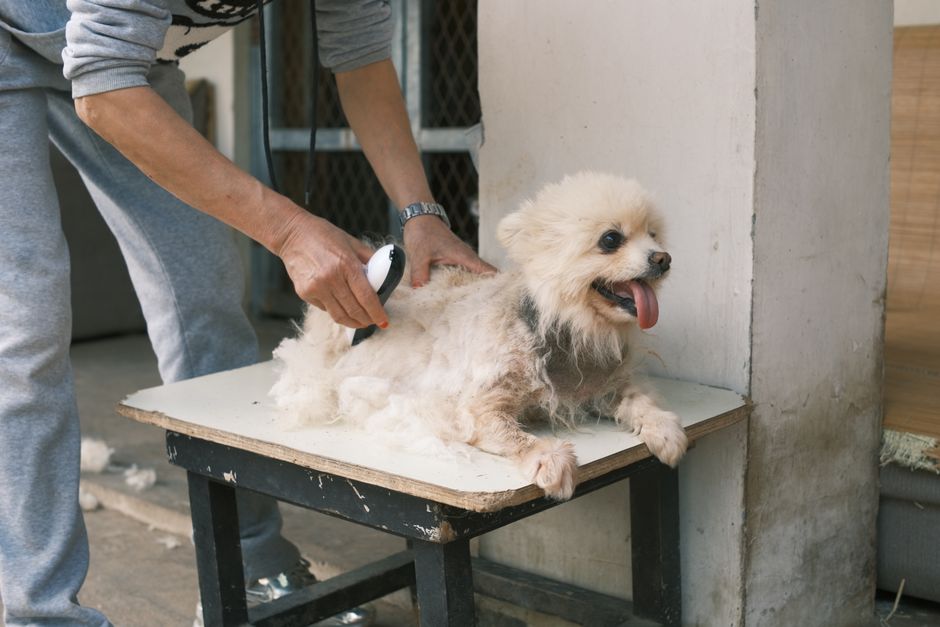
Grooming Tips for Dogs and Cats
For Dogs
- Brush in the direction of hair growth to avoid discomfort.
- Use gentle pressure, especially around the belly, legs, and tail.
- Increase grooming during seasonal coat changes.
- Bathe only as needed with pet-safe shampoo to avoid drying the skin.
For Cats
- Keep sessions short and positive, especially for cats who dislike grooming.
- Start with areas your cat enjoys, such as the cheeks or back.
- Reward calm behavior with treats or play.
- Watch for overgrooming, which may signal stress, pain, parasites, or allergies.
FAQ: Pet Shedding and Hair Loss
Is it normal for my pet to shed all year?
Yes, many indoor pets shed throughout the year because artificial lighting and indoor temperatures can affect their coat cycle. Year-round shedding is usually normal if the coat and skin look healthy.
Why is my pet shedding more than usual?
Common reasons include seasonal coat changes, stress, diet changes, fleas, allergies, or skin irritation. If the shedding is sudden, patchy, or paired with itching or skin changes, schedule a vet visit.
Can grooming stop shedding completely?
No. Shedding is natural and cannot be completely stopped. However, regular grooming can greatly reduce loose hair on your clothes, furniture, and floors.
Are bald spots normal during shedding season?
No. Seasonal shedding may make the coat look lighter, but bald spots are not considered normal. Bald patches should be checked by a veterinarian.
How often should I groom my pet?
It depends on coat type. Heavy shedders and long-haired pets may need grooming several times per week, while short-haired pets may need less frequent sessions. During heavy shedding seasons, more frequent grooming can help.
Conclusion: Know Your Pet’s Normal
So, is your pet shedding too much? If the hair loss is even, seasonal, and your pet’s skin looks healthy, it is probably normal shedding. But if you see bald patches, redness, constant itching, scabs, odor, or sudden changes in behavior, it may be a sign of an underlying health issue.
The best approach is simple: observe your pet, groom consistently, clean fur before it builds up, and contact your veterinarian when something feels off. A healthy coat starts with a healthy pet—and a fur-free home starts with the right tools.
Keep Your Home Fur-Free the Eco-Friendly Way
Ready to make shedding season easier? Explore PetNest Home’s battery-free, reusable pet hair removal solutions, including our viral Mini Fur Scraper for carpets and couches and our gentle De-Shedding Glove for removing loose fur at the source. Built to last, easy to use, and shipped worldwide.
Shop eco-friendly pet hair removal tools at PetNest Home and enjoy a cleaner home with happier grooming sessions.
Author Note: Written by the PetNest Home Editorial Team, with practical insight from everyday grooming routines and pet hair care experience. This article is for general educational purposes and is not a substitute for veterinary diagnosis or treatment.

