

The Ultimate Pet Care Checklist: How to Keep Your Furry Friend Happy and Healthy
Bringing a pet into your home is one of life’s happiest decisions. Whether you share your sofa with a playful puppy, a senior cat, a fluffy rabbit, or a long-haired rescue, your pet depends on you for comfort, safety, nutrition, grooming, and love.
This ultimate pet care checklist is designed to help you build simple routines that support your furry friend’s health while keeping your home cleaner and calmer. At PetNest Home, we understand the daily reality of pet parenthood: the cuddles are priceless, but the fur, mess, and grooming needs can pile up fast. With the right habits and reusable tools, pet care becomes easier, more sustainable, and far less stressful.

Why a Pet Care Checklist Matters
Pets thrive on routine. Consistent feeding, grooming, exercise, and vet care can help prevent common problems before they become serious. A checklist also makes pet ownership more manageable, especially for busy households, multi-pet homes, or first-time pet parents.
A good pet care routine helps you:
- Notice changes in appetite, behavior, coat, or energy early
- Reduce shedding and pet hair buildup around the home
- Support healthy skin, teeth, joints, and digestion
- Improve your pet’s comfort and emotional well-being
- Create a cleaner, safer living space for everyone
Daily Pet Care Checklist
Daily care does not need to be complicated. Small, consistent actions make the biggest difference over time.
1. Provide Fresh Water
Your pet should always have access to clean, fresh water. Wash bowls daily to prevent slime, bacteria, and odors. If your pet drinks less than usual, especially during warm weather or after activity, keep an eye on them and contact your veterinarian if it continues.
2. Feed a Balanced Diet
Choose food that matches your pet’s species, age, size, and activity level. Puppies, kittens, adult pets, and seniors all have different nutritional needs. Avoid overfeeding, and measure portions instead of guessing.
If you are unsure which diet is best, your veterinarian can help. Resources like PetMD’s pet health guidance can also be useful for learning general nutrition and wellness basics, but they should not replace professional veterinary advice.
3. Check Appetite and Bathroom Habits
Changes in eating, drinking, urination, or stool can be early signs of illness. A quick daily check helps you notice problems sooner. Watch for vomiting, diarrhea, straining, blood, sudden accidents, or major changes in litter box habits.
4. Offer Exercise and Play
Dogs need walks, playtime, and sniffing opportunities. Cats need climbing, chasing, pouncing, and interactive toys. Even small pets benefit from safe movement and enrichment. Exercise supports weight control, heart health, joint mobility, and mental stimulation.
- For dogs: daily walks, fetch, training games, or puzzle feeders
- For cats: wand toys, scratching posts, tunnels, and climbing trees
- For small pets: supervised play areas, chew toys, and hiding spots
5. Give Affection and Emotional Support
Pet care is not only physical. Many pets need predictable routines, gentle handling, and quality time with their people. Talk to your pet, reward good behavior, and give them a calm place to rest when they need space.
Weekly Pet Care Checklist
Weekly routines help keep your pet comfortable and your home under control. This is where grooming, cleaning, and inspection become especially important.
1. Brush or De-Shed Your Pet
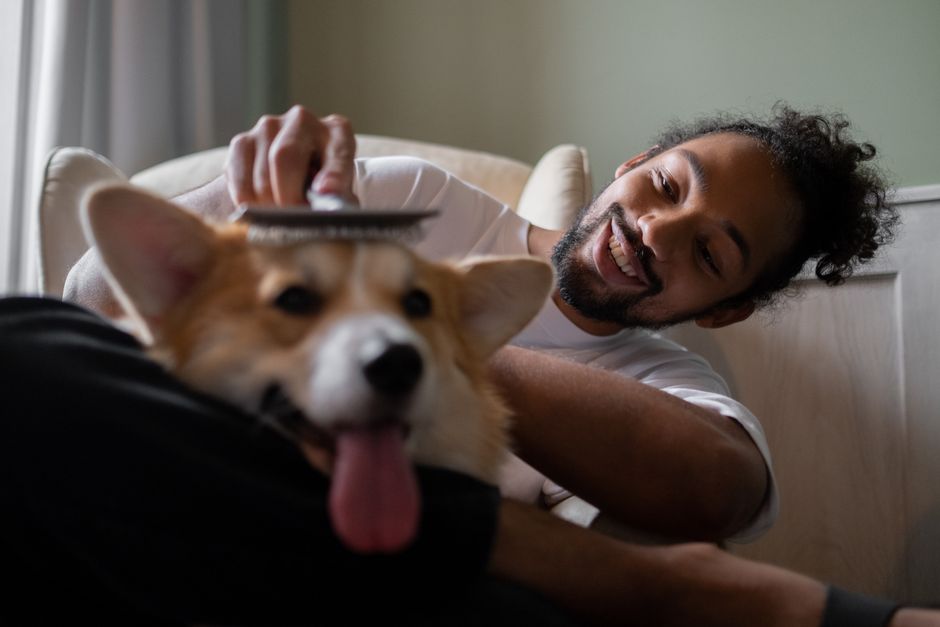
Regular grooming helps remove loose fur before it ends up on your clothes, carpets, couch, and car seats. It also allows you to check your pet’s skin for redness, bumps, parasites, dry patches, or irritation.
For pets that shed heavily, a gentle grooming tool can make a major difference. PetNest Home’s reusable pet hair cleaning and collection gloves pet double sided multi functional beauty glove tool reduce the pressure of pet ownership are designed to help remove loose hair at the source while giving your pet a relaxing massage-like grooming experience.

2. Clean Pet Bedding and Favorite Spots
Wash blankets, pet beds, crate mats, and soft toys regularly. These items collect fur, dander, dirt, saliva, and odors. Use pet-safe detergent and make sure everything is fully dry before your pet uses it again.
For deeply embedded hair in fabric, carpets, rugs, stairs, and couches, a manual fur remover is often more effective than sticky rollers. PetNest Home’s battery-free portable manual hair removal agent carpet wool coat clothes shaver brush tool depilatory ball knitting plush double sided razor is made to lift stubborn fur without disposable sheets or batteries.
3. Inspect Ears, Eyes, Paws, and Coat
Once a week, do a gentle nose-to-tail check. Look for:
- Red or itchy skin
- Excessive scratching or licking
- Discharge from eyes or ears
- Cracked paw pads
- Matting or tangles
- New lumps, bumps, or tender areas
If anything seems painful, unusual, or persistent, contact your veterinarian.
4. Refresh Toys and Enrichment
Rotate toys weekly to keep them interesting. Wash hard toys, check chew toys for broken pieces, and discard anything that could become a choking hazard. Puzzle feeders, treat balls, snuffle mats, and scent games are excellent for mental stimulation.
Monthly Pet Care Checklist
Monthly care focuses on prevention and long-term wellness.
1. Check Flea, Tick, and Parasite Prevention
Parasite prevention depends on your location, pet type, and lifestyle. Follow your veterinarian’s advice for flea, tick, heartworm, and intestinal parasite protection. The American Veterinary Medical Association is also a trusted source for general pet health and preventive care information.
2. Trim Nails as Needed
Overgrown nails can affect posture, comfort, and walking. Some pets need nail trims every few weeks, while others wear their nails down naturally. If you are nervous about trimming nails, ask a groomer or vet technician to show you the safest method.
3. Review Weight and Body Condition
Pet weight can slowly creep up, especially in indoor pets or pets who receive frequent treats. Instead of relying only on the scale, check body condition. You should usually be able to feel your pet’s ribs with light pressure, but they should not be sharply visible unless normal for the breed or species.
4. Deep Clean Pet Zones
Vacuum under furniture, wash food mats, clean litter box areas, sanitize crates, and remove fur from fabric surfaces. If you live with several animals, read our guide on how to keep house clean with multiple pets for more practical home-care tips.
Pet Grooming and Cleaning Tool Comparison
Choosing the right tool depends on whether you are removing loose hair from your pet or cleaning hair that is already embedded in your home.
| Tool | Best For | Eco-Friendly Benefit | How Often to Use |
|---|---|---|---|
| De-Shedding Glove | Removing loose fur directly from your pet while bonding | Reusable and battery-free | Several times per week, depending on coat type |
| Mini Fur Scraper | Removing embedded hair from carpets, couches, stairs, and car seats | No disposable sticky sheets | Weekly or as needed |
| Lint Roller | Quick clothing touch-ups | Less sustainable if disposable | As needed |
| Vacuum | Floors and general cleaning | Reusable but uses electricity | Weekly or more often in shedding season |
Seasonal Pet Care Tips
Spring and Fall Shedding
Many pets shed more during seasonal changes. Increase brushing sessions, wash bedding more often, and use a fur scraper on high-traffic furniture. Staying ahead of shedding is much easier than tackling a full buildup later.
Summer Heat Safety
Never leave pets in hot cars. Walk dogs during cooler parts of the day, provide shade, and watch for heavy panting, weakness, drooling, or confusion. Flat-faced breeds, seniors, and overweight pets may be more sensitive to heat.
Winter Comfort
Cold weather can dry out paws and skin. Wipe paws after walks to remove salt or chemicals, provide warm bedding, and keep grooming consistent. Matted fur does not insulate properly and can become uncomfortable.
Signs Your Pet May Need Veterinary Care
Even the best checklist cannot replace professional care. Contact your veterinarian if you notice:
- Loss of appetite or thirst changes
- Repeated vomiting or diarrhea
- Difficulty breathing
- Sudden limping or weakness
- Excessive scratching, licking, or hair loss
- Behavior changes such as hiding, aggression, or confusion
- Signs of pain, crying, or unusual sensitivity
Trust your instincts. You know your pet’s normal behavior better than anyone.
FAQ: Pet Care Checklist
How often should I groom my pet?
It depends on coat type, breed, season, and shedding level. Many pets benefit from grooming several times per week, while long-haired or heavy-shedding pets may need daily brushing during peak shedding periods.
What is the easiest way to reduce pet hair at home?
Use a two-step approach: remove loose fur from your pet with a de-shedding glove, then clean embedded hair from furniture and carpets with a reusable fur scraper. This reduces buildup and keeps your home fresher.
How often should pets visit the vet?
Most healthy adult pets should have regular wellness visits, often yearly, but puppies, kittens, seniors, and pets with medical conditions may need more frequent care. Ask your veterinarian what schedule is best for your pet.
Are reusable grooming tools better than disposable rollers?
Reusable tools are often more cost-effective and eco-friendly because they do not rely on single-use sticky sheets. They are especially helpful for homes with heavy shedders or multiple pets.
How can I tell if my pet is happy?
Happy pets usually show relaxed body language, healthy appetite, interest in play or interaction, good sleep habits, and normal grooming behavior. Every pet is different, so learn your pet’s individual signs of comfort and contentment.
Conclusion: Small Habits Create a Healthier, Happier Pet
The ultimate pet care checklist is not about perfection. It is about building realistic habits that support your pet’s health, happiness, and comfort every day. Fresh water, proper food, regular grooming, exercise, enrichment, and preventive vet care all work together to create a better life for your furry friend.
And when it comes to managing pet hair, the right tools can transform your routine. By grooming at the source and removing embedded fur from your home, you can enjoy more cuddles and less cleanup.
Ready to Make Pet Care Easier?
Explore PetNest Home’s eco-friendly, battery-free grooming and fur removal tools. Our Mini Fur Scraper and De-Shedding Glove are reusable, built to last, and shipped worldwide, helping pet parents keep their homes cleaner while caring gently for the animals they love.
Visit PetNest Home today and create a cleaner, happier nest for you and your pet.
Author note: Written by the PetNest Home Editorial Team, pet care enthusiasts dedicated to practical, eco-friendly grooming solutions for modern pet families.

