

Why Does My Cat Throw Up Right After Eating?
If you have ever watched your cat finish dinner and then immediately bring it back up, you are not alone. Many cat parents search “why does my cat throw up right after eating?” because it can be confusing, messy, and a little scary. The good news: sometimes it is caused by something simple, like eating too fast. The important part is knowing when it is a manageable habit and when it may be a sign that your cat needs a veterinarian.
At PetNest Home, we spend a lot of time helping pet families keep their homes cleaner and their companions more comfortable. Vomiting or regurgitation after meals can be related to feeding routines, hair ingestion, stress, diet, or medical conditions. This guide breaks down the most common reasons, what you can try at home, and when to call your vet.

First: Is Your Cat Vomiting or Regurgitating?
Before you can solve the problem, it helps to understand what you are seeing. Many people call everything “throwing up,” but veterinarians often separate it into two categories: vomiting and regurgitation.
Regurgitation
Regurgitation usually happens quickly after eating. The food may look mostly undigested, sometimes shaped like a tube, and your cat may not show much effort beforehand. There may be little warning, no heaving, and no obvious nausea.
Vomiting
Vomiting is more active. Your cat may drool, lick their lips, crouch, contract their belly, or retch before bringing up food, liquid, foam, or bile. Vomit may be partly digested and have a stronger smell.
This distinction matters because frequent regurgitation can point to eating habits, esophageal irritation, or swallowing issues, while vomiting may involve the stomach, intestines, food intolerance, hairballs, or illness. If you are unsure, take a short video to show your veterinarian.
Common Reasons Cats Throw Up Right After Eating
1. Your Cat Is Eating Too Fast
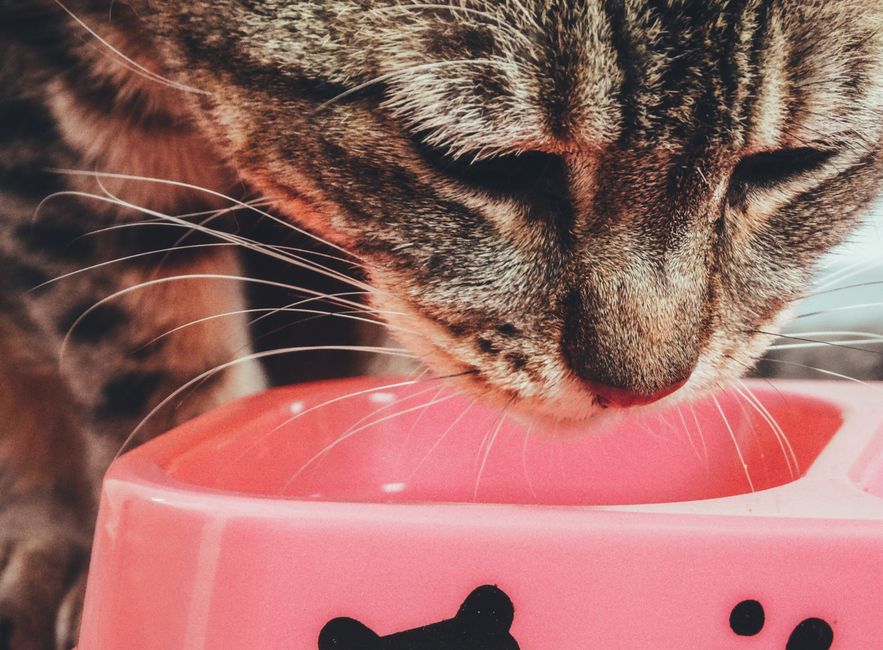
One of the most common reasons a cat throws up right after eating is speed eating. Some cats gulp their food without chewing much, especially if they feel competitive with other pets or have a history of food insecurity.
When food hits the stomach too quickly, the stomach may stretch and trigger regurgitation or vomiting. Dry kibble can also expand after absorbing fluid, making your cat feel overly full soon after eating.
What to try:
- Offer smaller meals more often.
- Use a slow feeder bowl or puzzle feeder.
- Spread wet food thinly on a flat plate.
- Separate pets during meals to reduce competition.
- Try an automatic feeder that dispenses small portions.
2. Hairballs and Excess Grooming
Cats are expert groomers, but all that licking means they swallow loose fur. Most hair passes through the digestive tract, but sometimes it collects and irritates the stomach. A cat may vomit food shortly after eating if a hairball is already bothering their stomach.
This is especially common in long-haired cats, heavy shedders, senior cats, and cats who groom more during stress or allergy flare-ups.
What to try: Brush your cat regularly, especially during seasonal shedding. The PetNest Home De-Shedding Glove is a gentle, battery-free way to remove loose fur before your cat swallows it. Less loose hair on your cat can mean less fur on your furniture and fewer hairball-related messes around the house.
3. Food Sensitivity or Sudden Diet Change
Some cats have sensitive stomachs. A new protein, richer food, different texture, or sudden brand change can upset digestion. Even a high-quality food can cause problems if your cat’s stomach is not used to it.
What to try: Transition new food gradually over 7 to 10 days unless your vet recommends otherwise. Start with mostly old food and a small amount of new food, then slowly increase the new portion. If vomiting continues, ask your veterinarian whether a limited-ingredient or prescription diet may be appropriate.
4. Eating Too Much at Once
Some cats are natural grazers, while others will eat everything available. A large meal can overload the stomach, especially if your cat eats dry food quickly and then drinks water.
What to try: Measure meals instead of free-feeding if your cat tends to overeat. Divide the daily amount into several smaller servings. This can be particularly helpful for cats who vomit in the morning after a large breakfast.
5. Stress Around Mealtime
Cats are sensitive to their environment. Loud noises, other pets, a busy kitchen, a new baby, visitors, or a changed feeding location can create stress. A nervous cat may eat too quickly, swallow air, or have a sensitive stomach response.
What to try: Feed your cat in a quiet, predictable place. Keep food and water bowls away from the litter box. In multi-pet homes, give each animal their own feeding zone.
6. Hair, Strings, Plants, or Foreign Objects
Cats sometimes chew things they should not: ribbons, thread, plastic, houseplants, toys, or pieces of fabric. These can irritate the stomach or, in serious cases, cause a blockage.
If your cat vomits repeatedly, seems painful, hides, refuses food, or you suspect they swallowed something, contact a veterinarian right away. String-like objects are especially dangerous because they can damage the intestines.
7. Parasites or Infections
Intestinal parasites, bacterial infections, or viral illness can cause vomiting, diarrhea, poor appetite, or weight loss. This is more common in kittens, outdoor cats, newly adopted cats, and cats with unknown medical history.
Your veterinarian may recommend a fecal test, deworming, or other treatment depending on your cat’s symptoms and risk factors.
8. Underlying Medical Conditions
Repeated vomiting after eating can sometimes be linked to health issues such as inflammatory bowel disease, pancreatitis, kidney disease, liver disease, hyperthyroidism, diabetes, or gastrointestinal obstruction. These conditions require proper diagnosis and treatment.
Trusted veterinary resources such as PetMD’s cat health information and the American Veterinary Medical Association can be helpful for general education, but they should not replace an exam by your own veterinarian.
Quick Comparison: What Might Be Causing It?
| Possible Cause | Common Clues | What You Can Try |
|---|---|---|
| Eating too fast | Undigested food appears soon after eating; little warning | Slow feeder, smaller meals, separate feeding area |
| Hairballs | Fur in vomit, coughing/gagging sounds, heavy shedding | Regular grooming, de-shedding tools, vet-approved hairball support |
| Food sensitivity | Vomiting after new food, treats, or protein change | Slow diet transition, discuss elimination diet with vet |
| Overeating | Large meals, bloated look, vomiting after big portions | Measured portions, more frequent smaller meals |
| Stress | Meal guarding, rushing, hiding, changes at home | Quiet feeding space, routine, separate pets |
| Medical condition | Weight loss, repeated vomiting, lethargy, diarrhea, appetite changes | Schedule a veterinary exam |
What to Do Right After Your Cat Throws Up
First, stay calm. One isolated episode may not be an emergency, especially if your cat is bright, playful, and eating normally afterward. Still, it is worth paying attention to patterns.
Step 1: Check What Came Up
Look at the material before cleaning it. Is it mostly whole kibble? Is there hair? Foam? Bile? Blood? A foreign object? This information can help your veterinarian if the problem continues.
Step 2: Watch Your Cat’s Behavior
Notice whether your cat seems normal or unwell. A cat who vomits once but then plays, drinks, and acts normally is different from a cat who hides, cries, drools, or refuses food.
Step 3: Adjust the Next Meal
For a healthy adult cat with a single mild episode, you may offer a smaller portion at the next meal. Do not make major diet changes immediately unless your vet recommends it. Sudden changes can make stomach upset worse.
Step 4: Clean the Area Thoroughly
Vomiting after meals can leave food residue, odor, and fur in carpets or couches. For embedded pet hair around the mess, PetNest Home’s Mini Fur Scraper can help lift stubborn fur from carpets, rugs, and upholstery without batteries or sticky refills.

When Should You Call the Vet?
Contact your veterinarian if your cat throws up after eating repeatedly, even if they seem otherwise fine. Chronic vomiting is common, but it is not something to ignore.
Seek veterinary advice promptly if you notice:
- Vomiting several times in one day
- Vomiting that continues for more than 24 hours
- Blood in vomit or stool
- Weight loss or poor appetite
- Lethargy, weakness, or hiding
- Diarrhea, constipation, or straining
- Signs of pain, bloating, or repeated retching
- Possible ingestion of string, plants, plastic, toxins, or medication
- Vomiting in a kitten, senior cat, or cat with a known medical condition
If your cat is trying to vomit but nothing comes up, appears distressed, or may have eaten something dangerous, treat it as urgent and contact an emergency veterinary clinic.
How to Help Prevent Vomiting After Meals
Create a Better Feeding Routine
Consistency can make a big difference. Feed meals at similar times each day, measure portions, and avoid sudden changes. If your cat eats too quickly, use a slow feeder or divide meals into smaller servings.
Choose the Right Bowl
Some cats dislike deep bowls because their whiskers touch the sides. A wide, shallow dish may help your cat eat more comfortably and slowly. Raised bowls may help some cats, but they are not a universal fix. Watch your cat and choose what seems most comfortable.
Support Hydration
Wet food can add moisture to your cat’s diet, and many cats enjoy a water fountain. Hydration supports digestion and overall health. If your cat suddenly drinks much more or much less than usual, mention it to your vet.
Groom Regularly
Routine grooming reduces loose fur before it becomes a hairball problem. This is especially useful for indoor cats, long-haired cats, and cats who shed heavily. A gentle de-shedding session can also become a calming bonding ritual.
Keep Unsafe Items Away
Store string, dental floss, rubber bands, hair ties, ribbons, and small toy parts where your cat cannot reach them. Check that your houseplants are cat-safe, as some common plants can be toxic.
FAQ: Cat Throwing Up Right After Eating
Is it normal for cats to throw up after eating?
An occasional episode may happen, especially if a cat eats too fast or has a hairball. However, frequent vomiting or regurgitation is not something to dismiss. If it happens regularly, schedule a vet visit.
Why does my cat throw up undigested food right after eating?
Undigested food soon after eating often points to regurgitation, fast eating, overeating, or food not moving normally through the esophagus or stomach. If it happens more than occasionally, your vet can help identify the cause.
Can hairballs make my cat vomit food?
Yes. Hair in the stomach can irritate your cat’s digestive tract and trigger vomiting, sometimes after a meal. Regular brushing and de-shedding can help reduce the amount of fur your cat swallows.
Should I change my cat’s food if they vomit after eating?
Do not switch foods suddenly unless your veterinarian instructs you to. A fast diet change can worsen vomiting. If you suspect food sensitivity, discuss a gradual transition or diet trial with your vet.
What if my cat acts hungry after throwing up?
Some cats want to eat again immediately, especially if they regurgitated undigested food. Offer a small amount rather than a full meal. If vomiting repeats or your cat seems unwell, contact your veterinarian.
Conclusion
So, why does my cat throw up right after eating? The answer may be as simple as eating too fast, swallowing too much fur, overeating, or reacting to a food change. But repeated vomiting can also signal a medical issue that deserves veterinary attention.
The best approach is to observe the pattern, improve mealtime habits, support regular grooming, and call your vet when symptoms are frequent, severe, or unusual. Your cat cannot explain what feels wrong, but their behavior, appetite, and energy level can tell you a lot.
Keep Your Cat Comfortable and Your Home Fur-Free
PetNest Home offers reusable, eco-friendly tools that help reduce the everyday mess of cat parenthood. Use our De-Shedding Glove to remove loose fur at the source and our Mini Fur Scraper to lift embedded hair from couches, carpets, rugs, and pet beds. Both are battery-free, built to last, and shipped worldwide.
Visit PetNest Home today to discover simple grooming and fur-removal tools designed for real pet homes.
Author Note: Written by the PetNest Home Editorial Team. Our content is created to help pet parents make informed, practical decisions about grooming, home care, and everyday pet wellness. This article is for educational purposes only and is not a substitute for veterinary diagnosis or treatment.

