

Why Is My Dog Eating Grass? The Hidden Reasons Behind This Habit
If you have ever watched your dog happily munch on your lawn like a tiny cow, you are not alone. One of the most common questions dog parents ask is: “Why is my dog eating grass?” The good news is that, in many cases, grass eating is a normal canine behavior. Still, it can sometimes point to boredom, tummy discomfort, diet issues, anxiety, or even exposure to something unsafe in the yard.
At PetNest Home, we spend a lot of time thinking about everyday pet habits, from shedding and grooming to the small behaviors that make dog life so interesting. This guide breaks down the most likely reasons dogs eat grass, when it is harmless, when to call your veterinarian, and what you can do at home to support your pup.

Is It Normal for Dogs to Eat Grass?
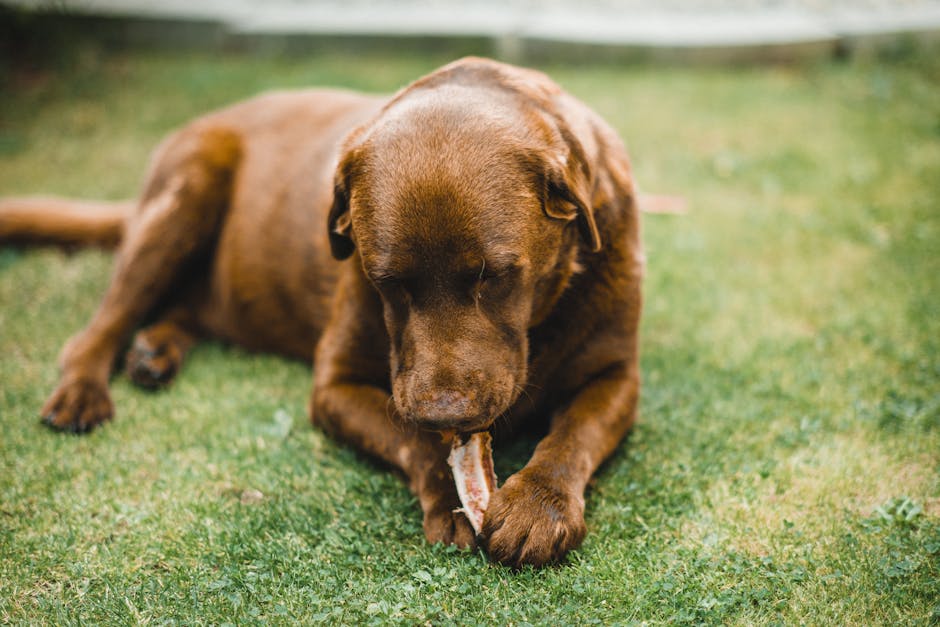
Yes, grass eating can be completely normal. Many healthy dogs nibble grass occasionally and never show signs of illness. Some seem to enjoy the texture, taste, or simply the activity itself. Others eat grass more intensely, especially before vomiting or during periods of stress.
The key is to look at the full picture: How often is your dog eating grass? Are they vomiting? Has their appetite changed? Are they losing weight, acting tired, or having diarrhea? A casual nibble is very different from frantic grass eating paired with other symptoms.
Common Reasons Your Dog May Be Eating Grass
1. Your Dog Simply Likes the Taste or Texture
Some dogs love the fresh, earthy smell of grass, especially after rain or early in the morning when blades are cool and damp. Young dogs and curious chewers may also explore grass the same way they investigate toys, sticks, and blankets: with their mouths.
If your dog eats small amounts of clean grass, stays cheerful, and does not vomit or show digestive problems, this may be nothing more than a personal preference.
2. Boredom or Lack of Stimulation
Dogs need physical exercise and mental enrichment. When they do not get enough activity, they often create their own hobbies. Grass chewing can become a way to pass time, especially for dogs left alone in the yard for long periods.
Signs boredom may be involved include:
- Chewing grass, sticks, mulch, or outdoor objects
- Digging holes in the yard
- Barking at every sound or movement
- Pacing or restlessness
- Destructive chewing indoors
Try adding puzzle feeders, sniff walks, short training sessions, and interactive play. Even 10 minutes of focused enrichment can help reduce boredom-based behaviors.
3. Upset Stomach or Nausea
Many pet owners believe dogs eat grass to make themselves vomit. Sometimes, that may be true. A dog with nausea may gulp grass quickly, drool, lick their lips, or act restless before throwing up.
However, not every dog vomits after eating grass. If your dog occasionally eats grass and vomits once, then returns to normal, it may not be an emergency. But repeated vomiting, blood, severe lethargy, bloating, or refusal to eat should be treated as concerning.
For general guidance on dog digestive and health behaviors, trusted veterinary resources such as PetMD’s pet health information can be useful, but they should never replace a diagnosis from your own veterinarian.
4. A Need for More Fiber
Some dogs may seek grass because their diet is not giving them enough fiber, though this is not always the case. Fiber supports healthy digestion and stool quality. If your dog has irregular bowel movements, frequent soft stool, or constipation, talk with your vet about whether their food is appropriate.
Do not dramatically change your dog’s diet overnight. Sudden food changes can cause digestive upset. Instead, ask your veterinarian if a gradual transition to a balanced food with more fiber, or the addition of vet-approved fiber sources, makes sense.
5. Anxiety or Stress
Just like some people bite their nails or snack when anxious, some dogs chew or eat grass as a self-soothing behavior. This may happen during thunderstorms, when guests visit, after a move, or when a dog experiences separation anxiety.
Stress-related grass eating may appear alongside other behaviors, such as:
- Panting when it is not hot
- Pacing or whining
- Excessive licking
- Hiding or clinginess
- Destructive behavior when alone
If your dog also licks their paws frequently, skin irritation or anxiety may be part of the pattern. You may find this related guide helpful: why is my dog licking their paws constantly.
When Grass Eating Is Harmless vs. Concerning
Not all grass eating means the same thing. Use this simple comparison to decide whether your dog’s habit seems normal or worth a vet call.
| Likely Harmless | Potentially Concerning |
|---|---|
| Occasional nibbling during walks or yard time | Frantic gulping of large amounts of grass |
| No vomiting, diarrhea, or appetite changes | Repeated vomiting, diarrhea, or constipation |
| Dog is playful, alert, and acting normal | Dog is lethargic, weak, bloated, or in pain |
| Grass is clean and untreated | Grass may contain pesticides, herbicides, fertilizers, or parasites |
| Behavior happens occasionally | Behavior is new, intense, or increasing quickly |
Hidden Dangers: When Grass Itself Is the Problem
Even if the habit is normal, the grass your dog eats may not be safe. Lawns can be treated with chemicals, and public parks may have unknown fertilizers, weed killers, or waste from other animals.
Possible risks include:
- Pesticides and herbicides: Some lawn treatments can irritate your dog’s stomach or be toxic.
- Fertilizers: Certain products may cause vomiting, diarrhea, or more serious reactions.
- Parasites: Grass contaminated by feces can expose dogs to intestinal parasites.
- Toxic plants nearby: Dogs may not distinguish safe grass from harmful garden plants.
- Sharp or dry blades: Rough grass can irritate the throat or stomach in some dogs.
If you are unsure whether a lawn has been treated, it is safest to prevent your dog from grazing there. The American Veterinary Medical Association offers reliable pet safety resources and is a helpful place to learn more about responsible animal care.
What to Do If Your Dog Keeps Eating Grass
1. Observe the Pattern
Before making changes, track the behavior for a few days. Note when your dog eats grass, how much they eat, what they ate earlier, and whether symptoms follow. This information can help your veterinarian identify patterns.
2. Check Their Diet
Make sure your dog is eating a complete and balanced food appropriate for their age, size, activity level, and health needs. If you suspect digestive discomfort or a fiber issue, ask your vet before changing food or adding supplements.
3. Increase Exercise and Enrichment
A tired, mentally satisfied dog is less likely to develop odd boredom habits. Add variety to your dog’s day with:
- Sniff walks instead of rushed potty walks
- Food puzzles or slow feeders
- Short obedience training sessions
- Fetch, tug, or hide-and-seek games
- Rotating toys to keep them interesting
4. Keep Your Yard Pet-Safe
If your dog likes to nibble grass, your lawn and garden should be as pet-safe as possible. Avoid harsh chemicals, remove toxic plants, clean up waste promptly, and provide fresh water outdoors.
5. Redirect the Behavior
If your dog starts grazing during walks, calmly redirect with a cue like “leave it,” then reward them for moving along. Avoid yelling or yanking the leash, which may increase stress or make the habit more exciting.
When Should You Call the Vet?
Contact your veterinarian if grass eating is paired with symptoms that suggest illness. It is especially important to seek help if your dog is very young, elderly, pregnant, immunocompromised, or has a known medical condition.
Call your vet if you notice:
- Repeated vomiting or vomiting that lasts more than a day
- Diarrhea, bloody stool, or black stool
- Loss of appetite or sudden weight loss
- Extreme tiredness or weakness
- Swollen belly, retching, or signs of pain
- Possible exposure to chemicals or toxic plants
- Grass eating that becomes sudden, obsessive, or unusual for your dog
Also pay attention to other strange sounds or behaviors. If your dog makes unusual snorting or grunting noises along with digestive changes, you may want to read why is my dog grunting like a pig normal vs concerning signs.
Can Grooming and Shedding Affect Grass Eating?
Grass eating is usually connected to behavior, digestion, or environment rather than grooming. However, overall comfort matters. A dog dealing with itchy skin, seasonal shedding, or irritation may be more restless and more likely to chew, lick, or graze outdoors.
Regular grooming helps you notice changes early, including skin redness, fleas, hot spots, mats, or unusual shedding. At PetNest Home, our eco-friendly, battery-free grooming tools are designed to make that routine easier. The De-Shedding Glove helps remove loose fur directly at the source while giving your dog a calming, massage-like experience. For homes already covered in stubborn fur, our viral Mini Fur Scraper lifts embedded hair from couches, carpets, and pet beds without wasteful sticky sheets or batteries.
Clean coat, cleaner home, happier pet parent.
FAQ: Why Is My Dog Eating Grass?
Do dogs eat grass because they are sick?
Sometimes, but not always. Many healthy dogs eat grass occasionally without being sick. If your dog eats grass frantically, vomits often, has diarrhea, or seems unwell, contact your veterinarian.
Should I stop my dog from eating grass?
If the grass is clean, untreated, and your dog only nibbles occasionally, it may not be necessary to stop them completely. However, you should prevent grass eating in areas treated with chemicals or contaminated by animal waste.
Why does my dog eat grass and then throw up?
Your dog may be nauseous and eating grass because their stomach feels unsettled. Grass can irritate the stomach lining and trigger vomiting. Occasional vomiting may not be serious, but repeated vomiting needs veterinary attention.
Can eating grass give my dog worms?
Grass itself does not create worms, but contaminated grass or soil can expose dogs to parasite eggs or larvae, especially in areas where other animals have defecated. Routine parasite prevention and fecal checks are important.
Is grass eating a sign of a nutritional deficiency?
It can be related to diet or fiber needs in some dogs, but it is not proof of a deficiency. If you are concerned, ask your vet to evaluate your dog’s food, stool quality, and overall health.
What can I give my dog instead of grass?
Offer safe enrichment such as chew toys, puzzle feeders, sniff mats, or vet-approved high-fiber snacks. Do not add new supplements or major diet changes without professional guidance.
Conclusion: Grass Eating Is Usually Normal, But Context Matters
So, why is your dog eating grass? The answer may be as simple as curiosity, taste, boredom, or a little extra fiber. In other cases, it may be linked to nausea, stress, or an underlying health concern. The most important thing is to watch your dog’s overall behavior and look for changes.
If your pup is bright, active, eating normally, and only nibbling clean grass now and then, there is usually no need to panic. But if the behavior is sudden, intense, or paired with vomiting, diarrhea, appetite loss, or lethargy, your veterinarian is the best next step.
CTA: Keep Your Dog Comfortable and Your Home Fur-Free
Your dog’s habits tell a story, and daily care helps you notice that story sooner. Keep your pup comfortable with regular grooming, safe outdoor time, and a clean home environment.
Explore PetNest Home’s reusable, eco-friendly grooming and pet hair removal tools at petnesthome.com. Try our De-Shedding Glove to reduce loose fur at the source, or our Mini Fur Scraper to remove stubborn embedded hair from couches, carpets, and pet beds instantly. Battery-free, built to last, and shipped worldwide.
Author Note: Written by the PetNest Home Editorial Team. Our content is created to help pet parents make informed, practical decisions about everyday pet care. This article is for educational purposes only and is not a substitute for professional veterinary advice.

