

Why Is My Dog Scooting on the Carpet? It’s Not Always Worms
If you’ve ever watched your dog drag their bottom across the carpet, you probably had two instant thoughts: “Oh no,” and “Do they have worms?” Dog scooting can definitely be a sign of intestinal parasites, but it is not always worms. In many cases, scooting happens because something around your dog’s rear end feels itchy, irritated, painful, or full.
At PetNest Home, we know life with pets can be messy, funny, and occasionally confusing. This guide will help you understand the most common reasons dogs scoot, what you can safely check at home, when to call your vet, and how to keep your floors and furniture cleaner afterward.

What Does Dog Scooting Mean?
Dog scooting is when a dog sits down, lifts their back legs slightly, and drags their rear end along the floor, carpet, grass, or bedding. It usually means your dog is trying to relieve discomfort around the anus, tail base, or surrounding skin.
Occasional scooting once or twice may not be an emergency. Your dog may simply have a bit of poop stuck in the fur or mild temporary irritation. But repeated scooting, licking, odor, swelling, bleeding, diarrhea, or visible discomfort should be taken seriously.
The Most Common Reasons Dogs Scoot on the Carpet
1. Anal Gland Problems
Anal gland issues are one of the most common reasons dogs scoot. Dogs have two small anal sacs located near the rectum. These sacs produce a strong-smelling fluid that usually empties naturally when your dog poops.
Sometimes, the glands do not empty properly. They can become full, impacted, inflamed, or infected. Your dog may scoot to relieve pressure or itching.
Common signs of anal gland trouble include:
- Dragging the rear end across carpet or grass
- Excessive licking or chewing near the tail or anus
- A strong fishy or metallic odor
- Swelling or redness near the anus
- Pain when sitting or pooping
- Sudden yelping or sensitivity around the rear
If you suspect anal gland impaction or infection, contact your veterinarian. While some groomers express anal glands, repeated issues, pain, discharge, or swelling should be assessed by a vet.
2. Worms or Other Intestinal Parasites
Yes, worms can cause scooting, especially if they create itching or irritation around your dog’s bottom. Tapeworm segments, for example, can sometimes appear like tiny grains of rice around the anus, in bedding, or in your dog’s stool.
Other intestinal parasites may cause digestive symptoms such as soft stool, diarrhea, weight changes, or a dull coat. However, many dogs with parasites do not show obvious signs right away.
If you notice worm-like segments, changes in stool, or persistent scooting, ask your vet about a fecal test and appropriate deworming treatment. Avoid guessing or using random over-the-counter products without guidance, because different parasites require different treatments.
3. Poop, Mats, or Debris Stuck in the Fur
Long-haired dogs, fluffy breeds, puppies, and senior dogs may get fecal matter trapped in the hair around their rear end. Even a small amount can feel uncomfortable enough to trigger scooting.
This is especially common after diarrhea or soft stool. Mats can also pull on the skin and create irritation.
Check gently under the tail. If you see dried poop or tangled fur, you can clean the area with a damp cloth or pet-safe wipe. For tough mats, do not pull or cut close to the skin with scissors. It’s safer to ask a professional groomer or veterinarian for help.
4. Skin Allergies and Itching
Dogs can develop allergies to food ingredients, fleas, grass, pollen, dust mites, grooming products, or household cleaners. Allergies often show up as itchy skin, and the rear end can be one of the areas affected.
If scooting happens along with paw licking, ear irritation, belly redness, or scratching, allergies may be part of the problem. You may find our guide on why is my dog licking their paws constantly helpful if your dog also chews or licks their feet.
Allergies can be frustrating because they often require detective work. Your vet may discuss flea control, diet trials, skin treatments, or allergy management based on your dog’s symptoms.
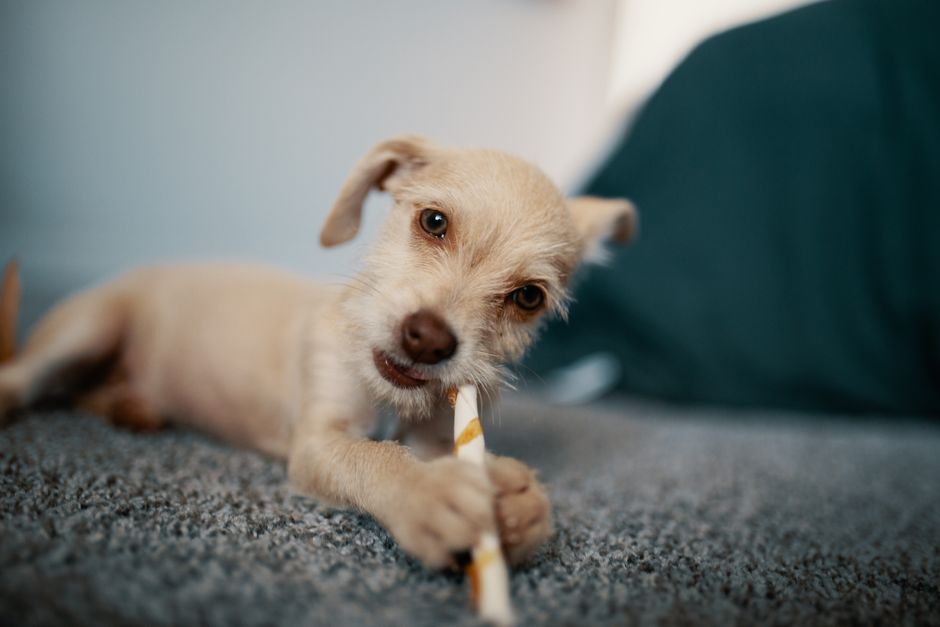
5. Fleas or Flea Allergy Dermatitis
Fleas often gather near the tail base, which can make dogs bite, lick, twist, and scoot. Some dogs are extremely sensitive to flea saliva, meaning even a small number of bites can cause intense itching.
Look for tiny dark specks, also called flea dirt, in your dog’s coat. You may notice scabs, hair thinning, or redness near the back legs and tail base.
Flea control should include your dog, other pets in the home, bedding, rugs, and soft furnishings. Your veterinarian can recommend a safe flea prevention plan based on your dog’s age, weight, and health.
6. Diarrhea or Digestive Upset
Loose stool can irritate the skin around your dog’s anus. Even after the stool has passed, the area may remain sore or itchy. Dogs may scoot to clean themselves or relieve the burning sensation.
Digestive upset can happen after eating new foods, table scraps, spoiled items, sudden diet changes, or something they found outdoors. If diarrhea lasts more than a day, contains blood, is accompanied by vomiting, or your dog seems weak or uncomfortable, call your vet.
7. Rectal Irritation, Injury, or Growths
Less commonly, scooting can be caused by rectal irritation, small wounds, abscesses, polyps, or growths. Senior dogs or dogs with ongoing symptoms should be checked promptly, especially if you see blood, swelling, pus, or a new lump.
It’s always better to have a veterinarian examine unusual rear-end symptoms early rather than waiting until your dog is in significant pain.
Quick Comparison: What Might Be Causing the Scooting?
| Possible Cause | Common Clues | What to Do |
|---|---|---|
| Anal gland issue | Fishy smell, licking rear, discomfort sitting | Book a vet exam, especially if painful or recurring |
| Worms or parasites | Rice-like segments, stool changes, weight changes | Ask your vet for a fecal test and proper treatment |
| Dirty or matted fur | Visible poop, tangles, long hair around rear | Clean gently or see a groomer for safe trimming |
| Allergies | Paw licking, ear issues, red skin, itching | Discuss allergy management with your vet |
| Fleas | Itching near tail, flea dirt, scabs | Use vet-recommended flea prevention and clean bedding |
| Diarrhea irritation | Loose stool, redness, frequent bathroom trips | Monitor closely and call your vet if symptoms persist |
What You Can Safely Check at Home
Before panicking, take a calm look. Choose a well-lit area and keep your dog relaxed. If your dog seems painful, growls, yelps, or will not let you check, stop and contact your vet.
You can safely check for:
- Poop stuck in the fur
- Redness or irritation around the anus
- Swelling, discharge, or bleeding
- Flea dirt near the tail base
- Rice-like worm segments
- Matting or tangled hair
- Changes in stool consistency
Use warm water and a soft cloth if the area needs gentle cleaning. Avoid harsh soaps, human wipes, alcohol, hydrogen peroxide, essential oils, or medicated creams unless your veterinarian specifically recommends them.
When Should You Call the Vet?
Call your veterinarian if your dog scoots repeatedly or if you notice any signs of pain or illness. According to general pet health guidance from trusted veterinary resources such as PetMD and the American Veterinary Medical Association, persistent discomfort, stool changes, parasites, and skin problems are best evaluated by a professional.
Make a vet appointment if your dog has:
- Scooting that lasts more than a day or keeps returning
- Swelling, redness, or heat around the anus
- A strong fishy smell
- Blood, pus, or open sores
- Visible worms or rice-like segments
- Diarrhea, vomiting, appetite loss, or lethargy
- Pain when sitting, walking, or pooping
- Repeated anal gland problems
If your dog seems very painful, has a ruptured anal gland abscess, or is bleeding heavily, seek veterinary care urgently.

How to Help Prevent Scooting
Support Healthy Digestion
Healthy, firm stools help anal glands empty naturally. Ask your vet whether your dog’s diet is appropriate and whether fiber could help. Do not add supplements or make major food changes without guidance, especially if your dog has a medical condition.
Keep Grooming Consistent
Regular grooming helps prevent mats, trapped stool, and skin irritation. Long-haired dogs may benefit from a sanitary trim around the rear end. Brushing also helps you notice fleas, skin changes, lumps, or tender areas earlier.
PetNest Home’s De-Shedding Glove is a simple, battery-free way to remove loose fur while giving your dog a gentle grooming massage. Less loose hair means fewer tangles, less shedding around your home, and more chances to spot skin issues before they become bigger problems.
Use Flea Prevention
Even indoor dogs can get fleas. Year-round flea prevention may be recommended depending on your location and your dog’s lifestyle. Your vet can help you choose the safest option.
Clean Bedding and Favorite Resting Spots
If your dog has been scooting, wash their bedding and clean the areas they use most. Carpets and couches can hold hair, dander, and debris, especially in multi-pet homes.
For stubborn pet hair embedded in carpets, rugs, and couches, PetNest Home’s viral Mini Fur Scraper is designed to lift trapped fur instantly without batteries, sticky refills, or waste. It’s reusable, durable, and especially handy after grooming sessions or seasonal shedding bursts.
How to Clean the Carpet After Your Dog Scoots
Let’s be honest: scooting on the carpet is not exactly the home moment pet parents dream of. Once your dog is comfortable and you’ve checked for health concerns, clean the area promptly.
- Pick up any visible debris with gloves or a paper towel.
- Blot the area with a damp cloth rather than rubbing it deeper into fibers.
- Use a pet-safe enzymatic cleaner if there is odor or staining.
- Let the area dry fully before allowing pets back on it.
- Remove trapped fur with a reusable scraper instead of disposable sticky sheets.
Eco-friendly cleaning and grooming routines are easier when you use tools that are built to last. That’s why PetNest Home focuses on reusable, battery-free solutions for real pet households.
FAQ: Dog Scooting on the Carpet
Does scooting always mean my dog has worms?
No. Worms are one possible cause, but anal gland problems, allergies, fleas, diarrhea, matted fur, and skin irritation are also common reasons. A vet can help identify the real cause.
Can I express my dog’s anal glands at home?
It is best to ask your veterinarian before attempting this. Incorrect technique can cause pain or injury, and infected or abscessed glands require medical treatment. If your dog has repeated anal gland issues, your vet can check for underlying causes.
Why does my dog scoot after pooping?
Your dog may have stool stuck in the fur, irritation from soft stool, or anal glands that did not empty properly. If it happens often, schedule a vet visit.
Is scooting an emergency?
Occasional scooting without other symptoms is usually not an emergency. However, swelling, bleeding, pus, severe pain, lethargy, vomiting, or a ruptured abscess should be treated urgently.
Can grooming help stop scooting?
Grooming can help if scooting is caused by mats, trapped poop, fleas, or skin irritation from excess fur. It will not fix worms, infections, or anal gland disease, so persistent scooting still needs veterinary attention.
What if my dog is also making strange noises?
If your dog has other symptoms, such as unusual breathing sounds or grunting, it may be unrelated or part of a broader health issue. You can read more about why is my dog grunting like a pig normal vs concerning signs, and contact your vet if you are concerned.
Conclusion: Scooting Is a Symptom, Not a Diagnosis
So, why is your dog scooting on the carpet? It could be worms, but it could also be anal glands, allergies, fleas, digestive upset, matted fur, or irritation. The key is to look for patterns and accompanying symptoms.
If it happens once and your dog seems fine, gently check and clean the area. If it keeps happening, smells bad, looks swollen, or seems painful, your veterinarian is the right next step. Your dog is not being “gross” on purpose; they are trying to solve a discomfort they cannot explain.
Keep Your Home Cleaner Between Vet Visits and Grooming Days
Pet parenting comes with fur, messes, and mystery moments like carpet scooting. PetNest Home helps make the everyday cleanup easier with eco-friendly, battery-free tools built for real homes.
Ready for less fur on your carpets, couches, and clothes? Explore PetNest Home’s reusable Mini Fur Scraper and gentle De-Shedding Glove at petnesthome.com. Designed to remove stubborn pet hair fast, reduce shedding at the source, and ship worldwide.
Author Note: Written by the PetNest Home Editorial Team. Our content is created to support informed, practical pet care at home. It is not a substitute for veterinary diagnosis or treatment. If your dog is scooting repeatedly, appears painful, or has unusual discharge, swelling, bleeding, or stool changes, please contact your veterinarian.

