

Can Older Dogs Learn to Stop Pulling? Yes — With the Right Training and Safer Gear
If you own a large, strong dog that pulls on the leash, you already know walks can feel more like a workout than a relaxing part of the day. Maybe your dog lunges toward other dogs, jumps when excited, drags you toward smells, or suddenly hits the end of the leash with enough force to throw off your balance.
And if your dog is older, it is natural to wonder: can older dogs learn to stop pulling? The short answer is yes. Older dogs can absolutely learn better leash manners. They may have practiced pulling for years, but with patient training, consistent handling, and the right walking equipment, they can improve dramatically.
The goal is not to “overpower” your dog. The goal is to make walks safer, reduce pressure on your dog’s neck, improve leash control, and help both of you feel more confident outside.
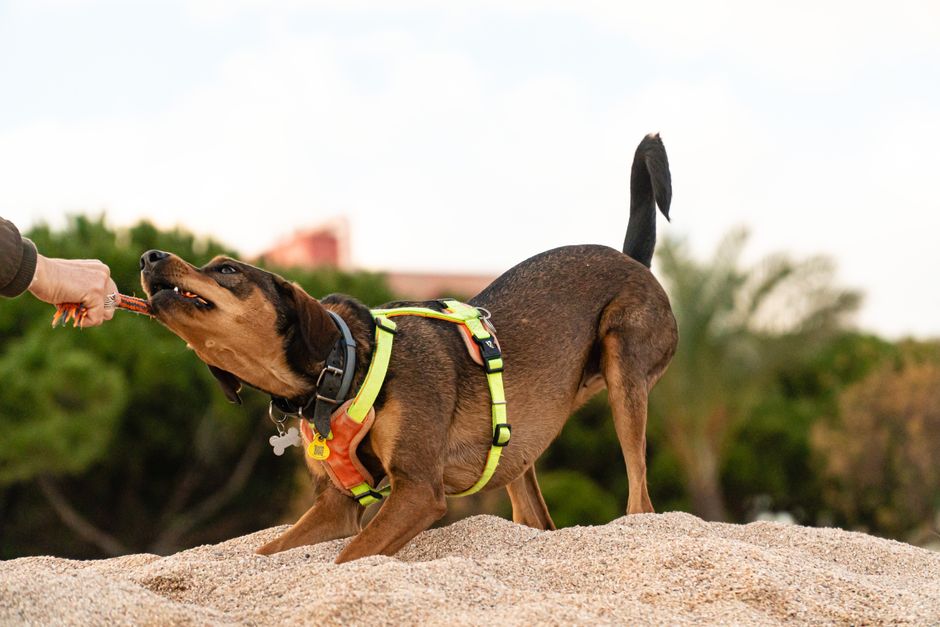
Why Older Dogs Pull on the Leash
Leash pulling is not usually about being “bad.” Most strong dogs pull because the outside world is exciting, and pulling has worked for them in the past.
If your dog pulls toward a tree and gets to sniff it, the pulling is rewarded. If they lunge toward another dog and move closer, the behavior is reinforced. Over time, your dog learns that tension on the leash means forward movement.
Common reasons older dogs pull include:
- Habit: They have practiced pulling for months or years.
- Excitement: Walks are full of smells, movement, people, dogs, and sounds.
- Frustration: They want to reach something but feel restricted.
- Reactivity: They bark, lunge, or jump because they feel anxious, overstimulated, or protective.
- Too much freedom too soon: A long leash with no guidance can encourage rushing ahead.
- Pain or discomfort: Some dogs pull away from pressure, especially if a collar presses on the neck.
Before assuming your older dog is simply stubborn, consider comfort, health, and equipment. If pulling suddenly increases, or your dog seems stiff, sore, or unusually reactive, a veterinary checkup is a smart first step. Resources from VCA Hospitals can also help owners better understand general dog health and behavior considerations.
Can Older Dogs Really Change Their Walking Habits?
Yes. Older dogs can learn new routines, new cues, and calmer leash behavior. They may need more repetition than a puppy, especially if pulling has become a long-term habit, but age does not stop learning.
In fact, many older dogs improve quickly once walks become clearer and more consistent. They often have better attention spans than younger dogs, and they may settle into a new routine when training feels predictable.
The key is to stop making pulling successful. If your dog pulls and still gets to move forward, the lesson is simple: pulling works. If your dog learns that a loose leash makes the walk continue, they begin making better choices.
The Problem With Collar Pressure on Strong Dogs
Many owners start with a standard collar because it seems simple. But for large, strong dogs that pull, a collar can create uncomfortable pressure around the neck and throat.
When a powerful dog lunges forward on a collar, the force is concentrated on a sensitive area. That can lead to coughing, gagging, choking sounds, or increased frustration. Some dogs also become more reactive when they feel pressure around the neck, especially when they are already excited or anxious.
This is why many owners of big dogs move away from collar-only walking and choose a well-fitted control harness instead. A harness can help spread pressure across the chest and body rather than the throat, while also giving the handler better control.
Front-Clip vs Back-Clip Harnesses: What Strong Dog Owners Should Know
Not all harnesses work the same way. If your older dog pulls hard, the clip location matters.
| Harness Type | Best For | Things to Consider |
|---|---|---|
| Front-Clip Harness | Dogs that pull, lunge, or need redirection | Helps guide the chest and turn the dog back toward you instead of letting them drive straight ahead. |
| Back-Clip Harness | Calmer dogs, casual walks, hiking, and everyday comfort | Can allow strong pullers to lean into the harness if used alone. |
| Dual-Clip Harness | Owners who want flexibility and more control | Allows front-clip training and back-clip walking depending on the situation. |
A front-clip harness can be especially helpful because it gives you control through the chest and shoulders. When your dog pulls forward, the leash attachment can help redirect their body instead of allowing them to build full forward momentum.
If you want a deeper look at harness types and leash pulling, read can a no pull harness help with leash pulling for more practical guidance.
Why Fit Matters So Much for Big Dogs
A no-pull harness only helps if it fits correctly. A loose harness may twist, rub, or allow your dog to slip out. A harness that is too tight may restrict shoulder movement or cause discomfort.
A good fit should:
- Sit securely around the chest without choking the neck.
- Allow natural shoulder movement.
- Stay in place when your dog turns or pulls.
- Have strong buckles and durable straps for large breeds.
- Let you fit two fingers under the straps without excess looseness.
For strong dogs, durability is not just a convenience. It is a safety issue. Heavy-duty materials, secure stitching, and reliable hardware help protect you during sudden lunges, jumps, or high-excitement moments. If you are comparing options, this guide on are heavy duty harnesses better for strong dogs explains why stronger gear can make a real difference.
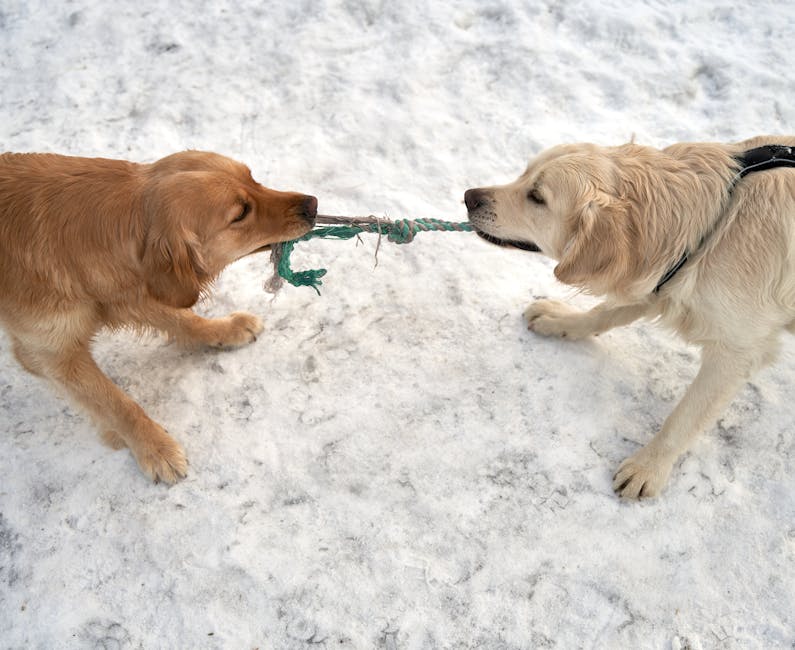
How to Teach an Older Dog to Stop Pulling
Training an older dog to stop pulling is less about strength and more about timing, consistency, and calm repetition. You want your dog to learn that loose leash walking gets them where they want to go.
1. Start in a Low-Distraction Area
Do not begin training at a busy park if your dog already pulls, jumps, or reacts to other dogs. Start in your driveway, yard, hallway, or a quiet street.
Reward your dog for standing calmly beside you. Take a few steps. If the leash stays loose, praise and continue. If your dog charges ahead, stop moving.
2. Stop When the Leash Gets Tight
This simple rule is powerful: tight leash means no forward progress. Loose leash means the walk continues.
At first, you may stop every few steps. That is normal. Your dog is learning that the old method no longer works. Stay patient and avoid yanking the leash. Calm consistency teaches more than frustration.
3. Change Direction Before Your Dog Hits Full Speed
If your dog starts accelerating, gently turn and walk the other way. Use your voice to encourage them to follow. When they come back toward you, praise and reward.
This helps your dog pay attention to your movement instead of locking onto the next exciting thing ahead.
4. Reward Check-Ins
Any time your dog looks back at you, slows down, or walks near your side, mark the moment with praise or a treat. These small check-ins are signs that your dog is learning to stay connected with you during the walk.
Training guidance from WagWalking often emphasizes positive reinforcement and clear routines, which are especially helpful for dogs learning better leash manners.
5. Practice Short, Successful Walks
Long walks can become overwhelming for reactive or high-energy dogs. Instead of battling through a 45-minute pull session, try shorter walks with better structure.
Five to ten minutes of calm, focused practice can be more valuable than a long walk full of pulling and frustration.
Handling Lunging, Jumping, and Reactive Walking
Some strong dogs do more than pull. They may lunge at dogs, jump toward people, bark at bikes, or become overexcited in busy areas. This can feel embarrassing and unsafe, especially if you are worried about losing control.
Reactive walking requires management as well as training. Your first job is to create enough distance so your dog can think. If your dog is already barking, lunging, and spinning, they are probably too close to the trigger.
Practical tips for reactive walks:
- Cross the street before your dog becomes fixated.
- Use parked cars, hedges, or distance as visual barriers.
- Keep the leash short enough for control but not constantly tight.
- Reward your dog for looking at you instead of the trigger.
- Avoid face-to-face greetings on leash if they increase excitement.
- Walk during quieter times while training improves.
A front-clip no-pull harness can help during these moments because it gives you better chest and shoulder control. Instead of pressure going straight into the neck, you can guide your dog’s body and create space more safely.

What Owners of Strong Dogs Should Avoid
When walks are stressful, it is easy to reach for quick fixes. But some methods can increase fear, frustration, or physical strain.
Try to avoid:
- Constant leash corrections: Repeated jerking can increase tension and does not teach your dog what to do instead.
- Letting pulling continue: If your dog pulls all the way to the park, pulling has been rewarded.
- Using poor-fitting gear: Loose harnesses and weak clips can be unsafe for large dogs.
- Walking too close to triggers: Distance is your friend during reactive training.
- Expecting instant change: Older dogs can learn, but habits take time to replace.
How a Heavy-Duty No-Pull Harness Supports Training
A harness does not train your dog by itself. However, the right harness can make training much easier and safer, especially when your dog is large, powerful, or easily excited.
A heavy-duty no-pull control harness helps by giving you better leverage, reducing neck pressure, and allowing you to guide your dog’s chest and shoulders. That means you can focus on rewarding better choices instead of simply trying to hold on.
For owners who feel nervous before every walk, the right gear can also rebuild confidence. When you feel more secure, you are more likely to stay calm, consistent, and patient — all of which help your dog learn.
Signs Your Older Dog Is Improving
Progress may not look perfect at first. Look for small wins. These are signs your dog is learning:
- Your dog checks in with you more often.
- The leash stays loose for longer stretches.
- Your dog recovers faster after seeing a trigger.
- You can redirect your dog before a lunge.
- Walks feel less like a battle.
- Your dog responds better to your voice and movement.
Celebrate these moments. Older dogs do not need perfection to make walks enjoyable again. They need clear guidance, safe equipment, and steady practice.
FAQ: Can Older Dogs Learn to Stop Pulling?
Is it too late to train an older dog to walk nicely?
No. It is not too late. Older dogs can learn new leash habits with consistency, positive reinforcement, and the right walking setup. The process may take patience, especially if pulling has been allowed for years.
Should I use a collar or harness for a strong dog that pulls?
For strong pullers, a harness is often a safer and more comfortable choice because it reduces pressure on the neck. A well-fitted no-pull harness can also give you better control through the chest and shoulders.
Is a front-clip harness better than a back-clip harness?
For dogs that pull, a front-clip harness is usually more helpful because it can redirect forward movement. A back-clip harness may be comfortable for relaxed walks, but some strong dogs can lean into it and pull harder.
How long does it take to stop leash pulling?
It depends on your dog’s history, energy level, reactivity, and how consistent you are. Some dogs improve within days, while others need several weeks or months of steady practice.
Can a no-pull harness fix reactivity?
A no-pull harness will not fix reactivity by itself, but it can make reactive walks safer and easier to manage. Training, distance, rewards, and calm handling are still important.
What leash length is best for a strong dog?
A standard leash around 4 to 6 feet is often easier to control than a retractable leash. Retractable leashes can make it harder to manage sudden lunges, especially with large dogs.
Conclusion: Older Dogs Can Learn Better Walks
So, can older dogs learn to stop pulling? Absolutely. Your dog’s age does not mean walks have to stay stressful forever.
With patient training, clear rules, better leash control, and a well-fitted no-pull harness, older dogs can learn to walk with more calm and connection. You may still have exciting moments, especially around triggers, but you can build safer habits one walk at a time.
If your big dog pulls, lunges, jumps, or gets too excited outside, do not think of training as starting over. Think of it as giving both of you a better system.
Ready for Safer, Easier Walks?
If you are tired of fighting the leash and want more control without putting pressure on your dog’s neck, the Big Dog Control Harness is designed for strong dogs that need safer, steadier guidance on daily walks, training sessions, park visits, and outdoor adventures.
Give your dog the support they need — and give yourself the confidence to enjoy walking together again.
Author Note: Written by the PetNest Home Editorial Team. Our content is created to help dog owners make safer, more confident choices for everyday pet care, training, and walking gear.

