

Can Pulling Become a Habit for Dogs?
Yes, pulling can absolutely become a habit for dogs, especially large, strong dogs who learn that dragging forward gets them to the exciting smell, person, dog, park gate, or open space faster.
If every walk feels like a workout, you are not alone. Many owners of big dogs struggle with leash pulling, lunging, jumping, zig-zag walking, and sudden bursts of excitement. The problem is not that your dog is “bad.” In many cases, your dog has simply practiced pulling so often that it has become the normal way to walk.
The good news is that pulling is a learned behavior, and learned behaviors can be changed. With better equipment, clearer leash handling, and consistent training, you can help your dog build calmer walking habits and make outdoor time safer for both of you.
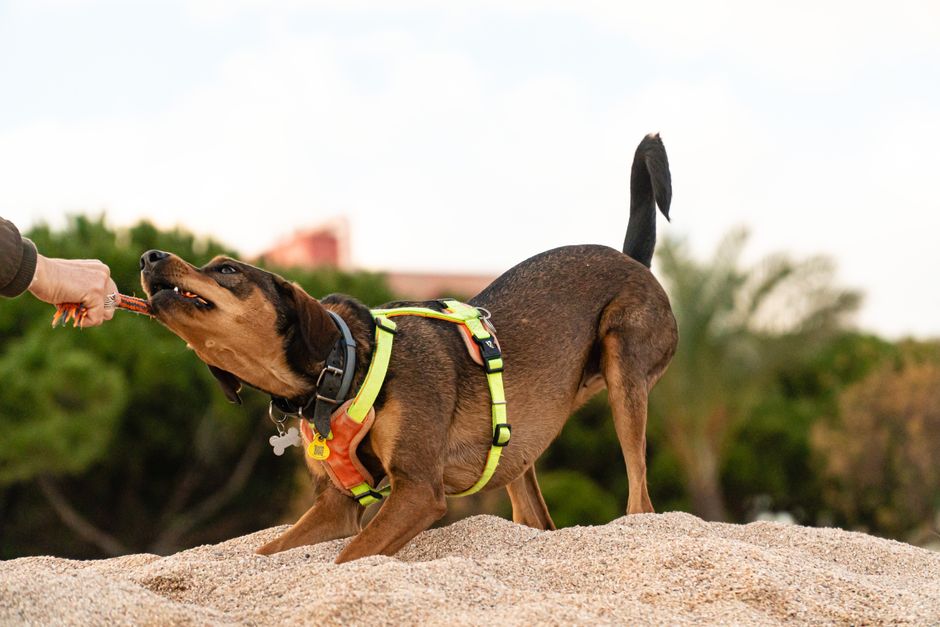
Why Dogs Start Pulling on the Leash
Dogs do not naturally walk in a straight line at human speed. They want to sniff, explore, turn, stop, speed up, and investigate the world. For strong breeds, even a small amount of excitement can turn into serious leash pressure.
Pulling often begins for simple reasons:
- Excitement: Your dog wants to reach something interesting.
- Reinforcement: Pulling has worked before, so your dog repeats it.
- Too much freedom: A long or loose leash may let your dog build momentum.
- High energy: Under-exercised dogs may explode with excitement outside.
- Reactivity: Dogs may lunge toward other dogs, people, bikes, or wildlife.
- Poor equipment fit: A collar or weak harness may make control harder.
Once pulling becomes part of the walk, your dog may start the behavior automatically. The leash tightens, your dog leans forward, you brace your body, and the walk becomes a battle of strength.
How Pulling Becomes a Habit
Dogs repeat behaviors that get results. If your dog pulls toward a tree and reaches the tree, pulling has been rewarded. If your dog lunges toward another dog and gets closer, pulling has been rewarded. If your dog drags you to the park entrance, pulling has been rewarded again.
This pattern creates a strong habit loop:
- Trigger: Your dog sees or smells something exciting.
- Behavior: Your dog pulls, lunges, jumps, or surges forward.
- Result: Your dog gets closer to what they wanted.
- Learning: Pulling works, so your dog does it again.
For owners of large dogs, this habit can quickly become stressful. A 70, 90, or 120-pound dog has enough power to pull a person off balance, especially on wet grass, icy sidewalks, stairs, or crowded paths.
Why Collar Pressure Can Make Walks Riskier
Many owners start with a standard collar because it is simple and familiar. However, when a strong dog pulls hard on a collar, pressure is placed directly on the neck and throat area. This can be uncomfortable and may increase coughing, gagging, or resistance during walks.
Neck pressure is especially concerning for dogs that lunge suddenly or hit the end of the leash with force. Veterinary resources such as VCA Hospitals’ guidance on collars and harnesses explain that different walking tools affect the body differently, and choosing the right equipment matters for comfort and safety.
A properly fitted harness helps move leash pressure away from the neck and toward the chest and body. This is one reason many owners of powerful dogs choose a no-pull control harness instead of relying only on a collar.
Front-Clip vs Back-Clip Harnesses: What Is Better for Pulling?
Harness design makes a big difference. Not all harnesses provide the same level of control, especially with large dogs that pull or lunge.
| Harness Type | Best For | Control Level | Things to Know |
|---|---|---|---|
| Back-Clip Harness | Calm walks, casual outings, trained dogs | Moderate | Comfortable, but may allow strong pullers to lean forward and use their full body power. |
| Front-Clip Harness | Leash pulling, training, better directional control | Higher | Helps redirect the dog’s chest when they pull, making it easier to guide them back toward you. |
| Dual-Clip Harness | Strong dogs, training flexibility, varied walking situations | High | Allows front-clip control for pulling and back-clip use for calmer walks or adventures. |
A front clip can be especially helpful because it gives you more control over the chest and shoulders instead of letting your dog power straight ahead. A back clip can still be useful for relaxed walking, hiking, or when your dog is already responding well.
If you are comparing options, this guide on are heavy duty harnesses better for strong dogs explains why durability, structure, and control points matter when walking powerful breeds.
Signs Your Dog’s Pulling Has Become a Habit
Pulling may have become a habit if you notice these patterns:
- Your dog pulls from the moment you leave the door.
- The leash is tight for most of the walk.
- Your dog ignores your voice when excited.
- You feel nervous before walks.
- Your dog lunges at other dogs, people, cars, or squirrels.
- Your arms, shoulders, or back hurt after walking.
- Your dog coughs or gags when pulling on a collar.
- You avoid certain routes because you feel out of control.
These signs do not mean you have failed. They simply mean your current walking system is not giving you enough control, communication, or safety.
How to Break the Pulling Habit
Changing leash behavior takes consistency. The goal is to teach your dog that a loose leash moves the walk forward, while pulling does not.
1. Start Before You Leave the House
If your dog is already jumping, barking, spinning, or pulling toward the door, the walk begins in a high-excitement state. Wait for a calmer moment before clipping the leash and opening the door.
Practice simple routines such as:
- Ask for a sit before opening the door.
- Pause if your dog rushes forward.
- Reward calm behavior with movement.
- Keep your own body relaxed and steady.
2. Use a Harness That Gives You Real Control
For big dogs that pull, equipment matters. A heavy-duty no-pull harness can help distribute pressure across the chest and body while giving you better steering control.
The Big Dog Control Harness is designed for owners who need safer, easier walks with strong dogs that pull, jump, or get overly excited outside. It helps reduce neck pressure and gives you more confidence when guiding your dog through daily walks, parks, training sessions, and outdoor adventures.
3. Reward Loose Leash Moments
Many owners only react when the dog pulls. Instead, notice and reward the moments your dog is walking nicely. Use treats, praise, or permission to sniff as rewards.
When your dog checks in with you, walks near your side, or lets the leash soften, mark that behavior with a cheerful “yes” and reward it. Over time, your dog learns that staying connected with you is valuable.
4. Stop Letting Pulling Work
If pulling always leads to forward movement, the habit stays strong. When the leash tightens, stop walking. Wait for your dog to turn back, soften the leash, or step toward you. Then continue.
This can feel slow at first, but it teaches a powerful lesson: loose leash makes the walk continue; tight leash makes the walk pause.
5. Change Direction Before Your Dog Explodes
If your dog sees another dog and starts stiffening, staring, or leaning forward, do not wait for the full lunge. Turn away early, create distance, and reward your dog for following you.
For reactive walking, distance is your friend. Your dog will learn better when they are under threshold, meaning they can still think, listen, and respond. Training resources such as WagWalking’s leash pulling training guidance can also help owners understand step-by-step loose leash practice.
Leash Control Tips for Strong Dogs
Your leash handling matters just as much as your harness. Strong dogs can build momentum quickly, so small adjustments can make walks safer.
- Use a sturdy leash: Avoid flimsy leashes that are hard to grip.
- Keep the leash short but relaxed: Too much length lets your dog accelerate.
- Hold with two hands when needed: This improves stability and control.
- Avoid wrapping the leash around your hand: This can cause injury if your dog lunges.
- Stand sideways if needed: A balanced stance helps you absorb sudden movement.
- Practice in quiet areas first: Do not begin training in the most exciting environment.
For more details on how equipment supports training, you may also find this article helpful: can a no pull harness help with leash pulling.
Fit Matters: A Harness Only Works Well When It Fits Properly
A no-pull harness should be snug, secure, and comfortable. If it is too loose, your dog may slip out or twist sideways. If it is too tight, it can rub, restrict movement, or make your dog uncomfortable.
Check these areas:
- Chest strap: It should sit securely across the chest without digging in.
- Shoulder movement: Your dog should be able to walk naturally.
- Neck area: The harness should not press into the throat.
- Adjustment points: Straps should be even on both sides.
- Two-finger rule: You should usually be able to fit two fingers under the straps.
Always inspect the harness before walks, especially if your dog is powerful, reactive, or still learning leash manners.
Can a Harness Stop Pulling Completely?
A harness is not magic, but the right harness can make training much easier. It gives you better control, reduces pressure on the neck, and helps interrupt the forward drive that makes pulling so hard to manage.
Think of a no-pull harness as a communication tool. It helps you guide your dog more clearly while you teach better walking habits. The best results usually come from combining the harness with calm handling, rewards, patience, and consistent rules.
FAQ: Dogs That Pull on the Leash
Can pulling become a permanent habit for dogs?
Pulling can become deeply practiced, but it does not have to be permanent. With consistent training and better walking equipment, many dogs can learn to walk with less tension and more focus.
Is a collar bad for a dog that pulls?
A collar may be fine for identification or calm dogs, but strong pulling on a collar can put pressure on the neck and throat. For powerful pullers, a well-fitted harness is often a safer and more comfortable choice.
Is a front-clip harness better than a back-clip harness?
For dogs that pull, a front-clip harness usually offers better control because it helps redirect the chest. A back clip can be useful for calm walks, but it may allow strong dogs to lean forward and pull harder.
Why does my dog pull more when seeing other dogs?
Your dog may be excited, frustrated, fearful, or reactive. Increase distance, reward calm attention, and avoid forcing close greetings. If your dog is difficult to control or shows aggressive behavior, consider working with a qualified trainer.
How long does it take to stop leash pulling?
It depends on your dog’s age, history, energy level, and consistency. Some owners see improvement quickly, while strong habits may take weeks or months of regular practice.
Conclusion: Pulling Is a Habit, But It Can Change
Pulling can become a habit for dogs because it often works. Your dog pulls, gets closer to what they want, and learns to repeat the behavior. For owners of large, strong dogs, this can turn simple walks into stressful, unsafe experiences.
But you can change the pattern. By reducing collar neck pressure, using better chest and shoulder control, choosing the right front-clip or dual-clip harness, and rewarding loose leash walking, you can help your dog build calmer habits.
Walks should not feel like a fight. They should feel safe, connected, and enjoyable.
Ready for Safer, More Confident Walks?
If your strong dog pulls, lunges, jumps, or gets too excited outside, consider switching to a heavy-duty no-pull control harness built for big dogs. The right harness can help you stop fighting the leash and start enjoying your walks again.
Take the next step toward calmer walks with the Big Dog Control Harness and give yourself the control, comfort, and confidence you need every time you step outside.
Author note: Written by the PetNest Home Editorial Team, with a focus on practical dog walking advice, safer handling, and confidence-building solutions for owners of large, strong dogs.

