

Can Puppies Use No-Pull Harnesses? A Practical Guide for Strong, Excitable Dogs
If your puppy already pulls like a freight train, lunges toward every dog, jumps at people, or drags you across the sidewalk, you are not alone. Many owners of large-breed puppies quickly realize that “cute puppy pulling” can become a serious walking problem fast.
Collars can make this even more stressful. When a strong puppy hits the end of the leash, pressure goes directly onto the neck and throat. That can feel worrying for owners and uncomfortable for the dog, especially during sudden lunges or excited bursts.
So, can puppies use no-pull harnesses? Yes, many puppies can use a properly fitted no-pull harness, especially when it is introduced gently and used as part of basic leash training. The key is choosing the right style, checking the fit often, and using the harness to guide your puppy rather than force them.
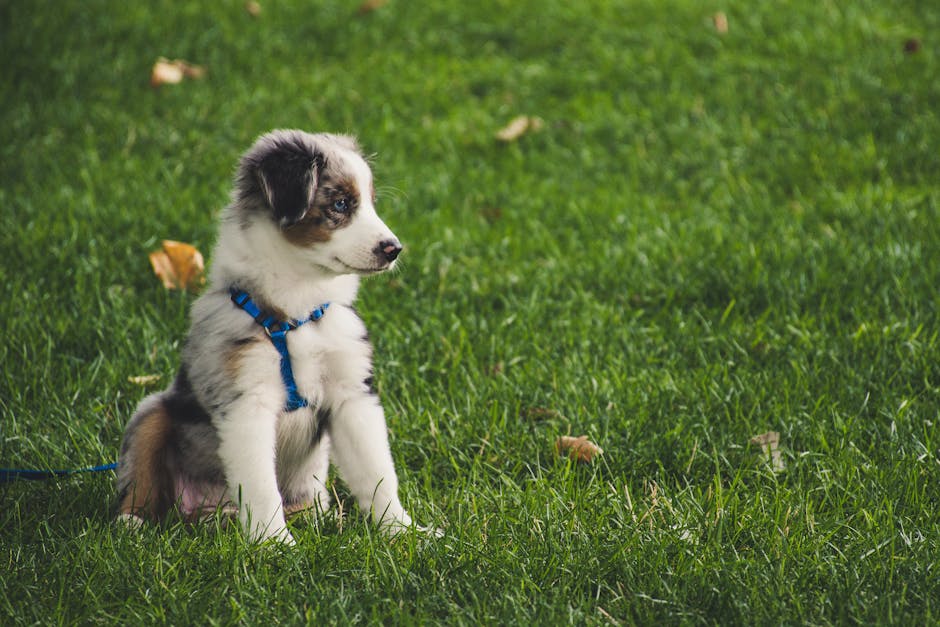
What Is a No-Pull Harness?
A no-pull harness is designed to reduce pulling by giving you better control over your dog’s body, usually through a front leash clip on the chest, a back clip, or both. Unlike a collar, a harness spreads pressure across the chest and body rather than concentrating it on the neck.
For puppies that are expected to grow into large, powerful dogs, this can be especially helpful. A harness can help you teach polite walking before your puppy becomes too strong to manage comfortably.
Is a No-Pull Harness Safe for Puppies?
In most cases, yes, a no-pull harness is safe for puppies when it fits correctly, does not restrict natural movement, and is used with calm leash handling. The harness should never rub, pinch, twist, or block your puppy’s shoulder movement.
Puppies are still growing, so fit matters more than anything. A harness that fits well today may be too tight in a few weeks. Large-breed puppies grow quickly, so you should check the straps, chest plate, and shoulder clearance regularly.
Veterinary resources such as VCA Hospitals guidance on collars and harnesses can help owners understand why the right walking equipment and proper fit matter for comfort and safety.
Why Puppies Pull on the Leash
Puppies do not pull to be “bad.” They pull because the outside world is exciting. Grass smells interesting, people move fast, other dogs look fun, and every sound feels new. For a large or strong puppy, that excitement can quickly turn into pulling, jumping, lunging, or spinning at the end of the leash.
Common reasons puppies pull include:
- Excitement: They want to reach people, dogs, smells, or moving objects.
- Lack of leash skills: Walking beside a human is not natural; it must be taught.
- Reinforcement: If pulling gets them where they want to go, they learn to keep doing it.
- Overstimulation: Busy parks, traffic, and other dogs can be too much too soon.
- Growing strength: Large-breed puppies may become physically hard to control before they are mentally mature.
Collar Pressure vs Harness Control
A flat collar is useful for ID tags and calm walks, but it is not always the best tool for a puppy that pulls hard. When a puppy lunges on a collar, leash pressure is focused around the neck. For owners, this can also create panic because the dog may cough, gag, or twist suddenly.
A well-designed no-pull harness helps shift control to the chest and shoulders. This gives you more influence over your puppy’s direction without relying on neck pressure. For owners of future big dogs, this difference can make walks feel much safer and more manageable.
Front-Clip vs Back-Clip Harnesses for Puppies
Not all harnesses work the same way. Understanding front-clip and back-clip designs can help you choose the right option for your puppy’s walking behavior.
| Harness Type | Best For | What to Know |
|---|---|---|
| Front-Clip Harness | Puppies that pull, lunge, or need direction changes | The leash attaches at the chest, helping guide the puppy back toward you when they pull forward. |
| Back-Clip Harness | Calmer walks, relaxed puppies, casual outings | Comfortable and easy to use, but may give strong pullers more ability to lean forward. |
| Dual-Clip Harness | Training, growing puppies, strong dogs, flexible control | Offers both front and back leash attachment options, making it useful as your puppy learns and grows. |
For strong puppies, a front-clip or dual-clip harness is often the most practical choice. The front clip helps reduce forward momentum, while the back clip can be useful for relaxed walking, short potty breaks, or outdoor adventures.
Can a No-Pull Harness Stop Pulling Completely?
A no-pull harness can help reduce pulling, but it is not magic. It works best when combined with training, consistency, and smart walking habits. The harness gives you better control; your training teaches your puppy what to do instead.
If you want a deeper explanation of how harnesses support leash training, read this helpful guide: can a no pull harness help with leash pulling.
How to Introduce a No-Pull Harness to a Puppy
Some puppies accept a harness immediately. Others freeze, chew the straps, roll around, or act dramatic. That is normal. Introduce the harness slowly so your puppy builds positive associations.
Step 1: Let Your Puppy Sniff It
Place the harness on the floor and allow your puppy to investigate. Reward with treats or praise. Do not rush to put it on right away.
Step 2: Put It On for Short Sessions
Start with just a few minutes indoors. Give treats, play gently, then remove it. The goal is to make the harness feel normal and safe.
Step 3: Practice Indoors Before Going Outside
Attach the leash and walk around your home or yard. Reward your puppy for staying near you and checking in.
Step 4: Keep First Walks Easy
Choose a quiet route. Avoid busy parks, crowded sidewalks, or heavy dog traffic until your puppy understands basic leash manners.

Real-World Walking Tips for Strong Puppies
A harness is only one part of safer walking. The way you handle the leash, choose your route, and respond to pulling also matters.
- Use a standard leash: Avoid retractable leashes for strong puppies that pull or lunge. A fixed leash gives better control.
- Keep the leash short but relaxed: Do not keep constant tension. Tension can make pulling worse.
- Reward check-ins: Praise or treat your puppy when they look back at you or walk beside you.
- Stop when pulling starts: If pulling moves your puppy forward, pulling becomes rewarding. Stop, reset, and continue when the leash softens.
- Change direction calmly: A front-clip harness can help you turn your puppy away from distractions without yanking their neck.
- Manage distance: If your puppy lunges at dogs or people, create more space before they explode with excitement.
- Practice before the walk: A few minutes of sit, focus, and leash practice near your door can reduce chaos outside.
Training resources such as WagWalking leash walking training tips also emphasize the value of consistency, reward-based practice, and clear communication during walks.
What About Reactive Puppies?
Some puppies are not aggressive, but they become extremely excited or frustrated on leash. They may bark, jump, pull, or lunge because they want to greet another dog or person. This is often called leash reactivity or over-arousal.
A no-pull harness can help by giving you better chest and shoulder control, but you should still focus on training your puppy to stay under threshold. That means working at a distance where your puppy can notice a trigger without exploding.
For reactive walking, try this:
- Cross the street before your puppy starts lunging.
- Use treats to reward calm looking instead of barking or pulling.
- Keep walks shorter if your puppy gets overstimulated.
- Avoid face-to-face leash greetings with unknown dogs.
- Practice in quiet areas before returning to busier places.
How Should a Puppy No-Pull Harness Fit?
Fit is critical. A no-pull harness should be snug enough that your puppy cannot slip out, but not so tight that it rubs, restricts breathing, or blocks movement.
Use this quick fit checklist:
- You should be able to fit two fingers under the straps.
- The chest piece should sit centered, not twisted to one side.
- Straps should not rub behind the front legs.
- Your puppy should be able to walk, sit, and turn naturally.
- The harness should not press into the throat.
- Check the fit weekly for fast-growing large-breed puppies.
If your puppy is already large, powerful, or difficult to hold back, you may want a sturdier design. This is where heavy-duty materials, secure buckles, strong stitching, and multiple leash attachment points become important. You can also learn more here: are heavy duty harnesses better for strong dogs.
When Should a Puppy Start Using a No-Pull Harness?
Many puppies can begin wearing a lightweight, properly fitted harness once they start leash training and are ready for safe outdoor walks. For very young puppies, keep sessions short and positive. For larger puppies, focus early on control and manners before strength becomes a bigger issue.
If your puppy has a medical condition, breathing issue, injury, or unusual movement pattern, ask your veterinarian before choosing walking equipment.
Common Mistakes to Avoid
No-pull harnesses are helpful, but they must be used correctly. Avoid these common mistakes:
- Buying too large: A loose harness can twist or allow escape.
- Buying too small: A tight harness can rub and restrict movement.
- Yanking the leash: Guide your puppy calmly instead of jerking them around.
- Skipping training: The harness supports training; it does not replace it.
- Using only the back clip for a hard puller: Some puppies pull harder from the back clip, so try the front clip for more control.
- Ignoring growth: Puppies grow fast, so adjust the harness often.

Choosing a No-Pull Harness for a Future Big Dog
If your puppy is a Labrador, German Shepherd, Rottweiler, Golden Retriever, Pit Bull-type dog, Mastiff mix, Husky, Boxer, Doberman, or another strong breed, think ahead. A small puppy today may be a strong adult dog tomorrow.
Look for a harness with:
- Durable, heavy-duty construction
- Front and back leash clips
- Adjustable straps for a secure fit
- Comfortable padding around the chest and body
- A sturdy handle for close control when needed
- Secure buckles and reinforced stitching
For owners who want safer, easier, and more confident walks with strong dogs, the petnest k9 no pull contro harness is designed to support better leash control without putting pressure on the dog’s neck.
FAQ: Can Puppies Use No-Pull Harnesses?
Can an 8-week-old puppy wear a no-pull harness?
Many young puppies can wear a soft, properly fitted harness for short sessions, but the focus should be comfort and positive introduction. Outdoor walks should follow your veterinarian’s vaccination and safety guidance.
Will a no-pull harness hurt my puppy’s shoulders?
A well-fitted harness should not hurt your puppy’s shoulders. Avoid designs that restrict natural front-leg movement, and always check for rubbing, limping, or discomfort.
Is a front-clip harness better for puppies that pull?
Often, yes. A front-clip harness helps redirect forward motion, making it easier to guide a pulling puppy back toward you. A dual-clip harness gives you more flexibility as your puppy learns.
Should I use a collar or harness for leash training?
A collar is useful for ID tags, but a harness is often better for puppies that pull because it reduces neck pressure. Many owners use both: a collar for identification and a harness for walking.
Can a no-pull harness fix lunging?
It can help you manage lunging more safely, but training is still needed. Work on distance, focus, calm rewards, and controlled exposure to triggers.
How often should I adjust my puppy’s harness?
For large-breed puppies, check the fit at least weekly. Growth spurts can make a previously comfortable harness too tight very quickly.
Conclusion: Yes, Puppies Can Use No-Pull Harnesses When Fit and Training Come First
So, can puppies use no-pull harnesses? Yes. For many puppies, especially strong and large-breed puppies, a no-pull harness can make walks safer, calmer, and more controlled. It helps reduce collar neck pressure, gives you better chest and shoulder guidance, and supports early leash training before pulling becomes a serious adult habit.
The best results come from pairing the right harness with patient training. Keep walks positive, reward calm behavior, manage distractions, and check the fit often as your puppy grows.
Ready for Safer, More Confident Walks?
If your growing puppy or strong dog pulls, jumps, lunges, or gets too excited outside, consider using a heavy-duty no-pull control harness built for real walking challenges. The Big Dog Control Harness is made to help owners gain better control without relying on neck pressure, so you can stop fighting the leash and start enjoying walks again.
Author Note: Written by the PetNest Home Editorial Team, with a focus on practical, owner-friendly guidance for safer walks with strong, excitable dogs.

