

How Can I Control My Dog Around Other Dogs?
If you own a large, strong dog that pulls, lunges, jumps, or gets overexcited when another dog appears, you already know how stressful a simple walk can become. One second you are enjoying the sidewalk, and the next you are gripping the leash with both hands, bracing your feet, and hoping your dog does not drag you forward.
This is not just embarrassing. It can feel unsafe. Collar pressure can strain your dog’s neck, back-clip harnesses may give powerful dogs more pulling leverage, and a sudden lunge can leave you feeling out of control. The good news is that with the right walking setup, training habits, and calm handling, you can make walks safer and more predictable.
So, how can I control my dog around other dogs? The answer is a mix of better leash management, distance, focus training, body control, and equipment designed for strong dogs. Let’s walk through practical steps you can start using right away.
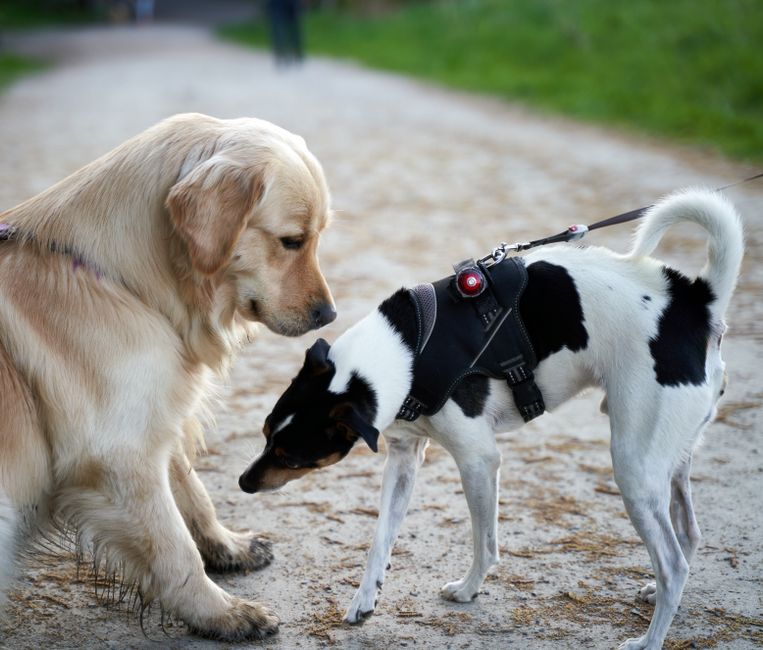
Why Strong Dogs Lose Control Around Other Dogs
Many dogs do not pull because they are “bad.” They pull because the outside world is exciting, and other dogs are one of the biggest triggers. Your dog may want to play, investigate, protect you, create distance, or simply release built-up energy.
Common reasons large dogs become hard to manage include:
- Excitement: Your dog sees another dog and wants to rush over.
- Frustration: The leash prevents greeting, so your dog barks, jumps, or lunges.
- Fear or insecurity: Your dog wants the other dog to stay away.
- Lack of leash skills: Your dog has learned that pulling moves them forward.
- Poor equipment fit: Collars or loose harnesses can reduce your control.
Reactive walking does not always mean aggression. However, if your dog is growling, snapping, redirecting onto you, or you feel physically unsafe, work with a qualified professional trainer or veterinary behavior professional. For general guidance on dog behavior and health, resources such as VCA Hospitals pet care articles can also help owners understand when to seek expert support.
Stop Relying on Collar Pressure Alone
For small dogs, a collar may feel manageable. For big dogs that lunge, a collar can put a lot of pressure on the neck. When a strong dog hits the end of the leash, that force can concentrate around the throat, which may cause coughing, choking, discomfort, or panic.
Neck pressure can also make reactivity worse. If your dog sees another dog and immediately feels pressure or pain at the collar, they may begin to associate other dogs with discomfort. Over time, this can increase tension on walks.
A well-fitted harness helps move control away from the neck and onto the chest and body. This gives you more steering ability while helping your dog feel less restricted around the throat.
Front-Clip vs Back-Clip Harness: What Works Best for Pulling?
Not all harnesses work the same way. If your dog is large and powerful, the leash attachment point makes a big difference.
| Harness Type | Best For | Potential Issue |
|---|---|---|
| Back-Clip Harness | Casual walks, trained dogs, low-pull dogs | Can allow strong dogs to lean forward and pull harder |
| Front-Clip Harness | Pullers, lungers, training better leash manners | Must fit properly to avoid rubbing or shifting |
| Dual-Clip Harness | Owners who want both guidance and flexibility | May require practice with leash handling |
A front clip helps redirect your dog’s chest when they surge forward. Instead of allowing your dog to drive straight ahead with full power, the front attachment gently turns their body back toward you. This can make a major difference when a big dog suddenly spots another dog across the street.
A back clip can still be useful for calm walks, hiking, or trained dogs. But for leash pulling and reactive walking, front-clip control is often the better starting point.
Fit Matters: Control Without Restriction
A harness should give you control without limiting natural movement. It should sit securely around your dog’s chest and ribs, not high on the throat. You should be able to fit about two fingers between the straps and your dog’s body, depending on the design.
Check these fit points before every walk:
- The chest strap sits across the chest, not on the neck.
- The harness does not slide side to side when your dog moves.
- The shoulder area allows normal movement.
- The buckles are secure and not rubbing behind the legs.
- The leash clip is strong enough for your dog’s size and strength.
If you are worried about shoulder movement or rubbing, this guide on can a harness hurt my dog s shoulders explains what owners should look for when choosing and fitting a harness.
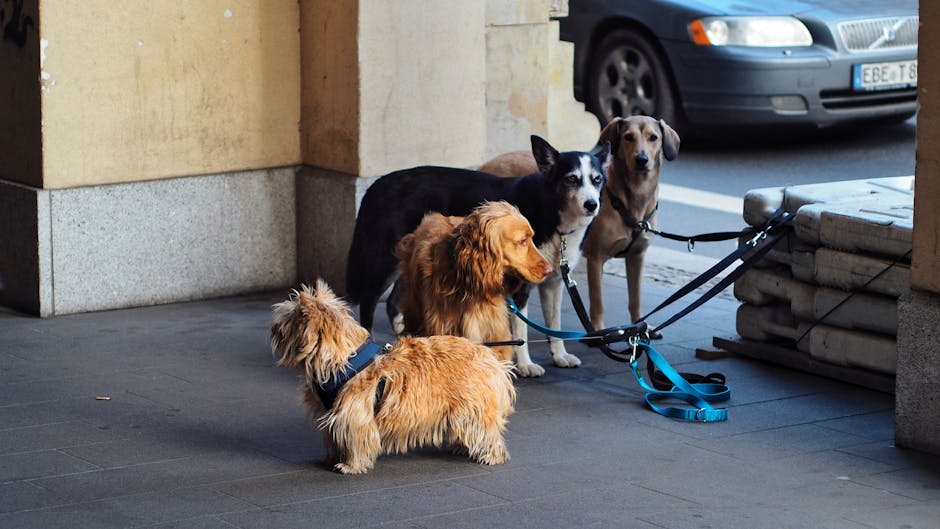
Use Distance Before Your Dog Explodes
One of the biggest mistakes owners make is waiting too long. If your dog is already barking, lunging, spinning, or jumping, learning becomes much harder. The goal is to notice the other dog early and create distance before your dog reaches their limit.
Think of distance as your safety tool. Cross the street, turn around, step behind a parked car, or move into a driveway if it is safe. This is not failure. It is smart handling.
Watch for Early Warning Signs
Many dogs show signs before they react. Look for:
- Staring or freezing
- Ears forward and body stiff
- Leaning into the leash
- Fast breathing or whining
- Ignoring treats or your voice
When you see these signs, calmly increase distance and ask for an easy behavior, such as “look at me,” “touch,” or “let’s go.”
Teach a Reliable “Let’s Go” Turn
A strong “let’s go” cue is one of the most useful skills for owners of big dogs. It tells your dog, “We are turning away now,” without panic or pulling.
Practice at home first:
- Say “let’s go” in a cheerful voice.
- Turn your body and walk the opposite direction.
- Reward your dog when they follow.
- Practice in the yard or quiet street.
- Use it before your dog reacts to another dog.
The key is timing. Use the cue when your dog notices the other dog but can still think. If you wait until your dog is already lunging, you may need to simply create space and reset.
Keep the Leash Short, Not Tight
Leash control is not about constantly pulling your dog back. A tight leash can increase tension and make your dog feel trapped. Instead, keep the leash short enough for safety but loose enough to avoid constant pressure.
Try holding the leash with two hands: one hand through the loop and the other lower on the leash for guidance. Keep your elbows close to your body. This gives you more stability if your dog suddenly moves.
Avoid wrapping the leash around your wrist or hand. If a powerful dog lunges, this can injure you. Use a strong leash with a secure clip, and inspect it regularly for wear.
Reward Calm Looking, Not Lunging
Your dog does not need to ignore every dog completely. At first, your goal is simple: your dog sees another dog and stays under control.
When your dog looks at another dog calmly, mark the behavior with “yes” or a clicker, then reward. This teaches your dog that seeing another dog predicts good things from you, not a battle at the end of the leash.
Start at a distance where your dog can succeed. Over time, with consistency, many dogs can learn to look at another dog and then check back in with their owner.
Do Not Allow On-Leash Greetings With Every Dog
Many leash problems become worse because dogs expect to greet every dog they see. When they are not allowed to greet, they get frustrated and explode.
It is okay to say no to greetings. In fact, for reactive or overexcited large dogs, skipping on-leash greetings is often safer. Keep moving, reward focus, and teach your dog that other dogs are part of the environment, not always an invitation.
Training resources such as WagWalking dog training guidance can be useful for owners looking for additional leash manners ideas and everyday practice tips.

Practice in Realistic Places, Not Just at Home
Your dog may listen perfectly in the kitchen and forget everything outside. That is normal. Dogs need practice in different environments.
Start with low-distraction areas, then gradually work up to busier locations:
- Your driveway or front yard
- A quiet street
- A park from a distance
- A pet-friendly store parking lot
- Trails with wide paths
Keep sessions short. Ten calm minutes are better than a thirty-minute walk full of pulling and frustration.
What About Puppies and Young Large Breeds?
If you have a young large-breed dog, start harness training early and gently. Do not wait until your dog is fully grown and already stronger than you. Early positive exposure to a harness, leash, and calm passing around other dogs can prevent many future problems.
If you are unsure when to introduce a harness, this article on at what age can a dog start wearing a harness offers helpful guidance for new dog owners.
Common Mistakes That Make Pulling Worse
Even loving owners accidentally reinforce pulling. Watch out for these habits:
- Moving forward when your dog pulls: This teaches pulling works.
- Yanking the leash repeatedly: This can increase frustration and neck pressure.
- Getting too close too soon: Your dog needs distance to learn.
- Using weak gear: Thin clips, loose harnesses, and worn leashes can fail.
- Only training after a reaction starts: Reward calm behavior before the explosion.
When a Heavy-Duty No-Pull Harness Helps Most
A heavy-duty no-pull control harness is especially helpful if your dog is large, muscular, or easily overstimulated outside. It gives you better chest and body control while reducing pressure on the neck. For many owners, that extra control creates the confidence needed to train calmly instead of just surviving the walk.
Look for a harness with:
- A strong front leash clip for no-pull guidance
- A secure back clip for flexible walking options
- Durable straps and reinforced hardware
- Adjustable fit for large dogs
- Comfortable padding around pressure points
- A sturdy handle for close control when needed
The right harness will not replace training, but it can make training safer and more realistic. When you are not fighting your dog’s full strength, you can focus on timing, rewards, and calm handling.
FAQ: Controlling a Dog Around Other Dogs
Why does my dog lunge at other dogs on walks?
Your dog may be excited, frustrated, fearful, or overstimulated. Lunging is often a sign that your dog is over their comfort threshold. Create more distance and reward calm behavior before the reaction starts.
Is a collar or harness better for a dog that pulls?
For strong dogs that pull or lunge, a well-fitted harness is often safer and easier to control than relying on a collar alone. A harness helps reduce neck pressure and gives you more control through the chest and body.
Should I use a front-clip harness or back-clip harness?
A front-clip harness is usually better for dogs that pull because it helps redirect the chest when they move forward. A back clip can be useful for calm walking, but it may give strong pullers more leverage.
How do I stop my dog from jumping when another dog passes?
Increase distance, keep your leash short but not tight, and ask for a simple cue before your dog jumps. Reward calm attention. If your dog is already jumping, move away calmly and reset.
Can training fix leash reactivity?
Many dogs improve with consistent training, better distance management, and the right walking equipment. Severe reactivity or aggression should be addressed with help from a qualified professional.
Conclusion: Safer Walks Start With Control and Confidence
Controlling a strong dog around other dogs is not about overpowering them. It is about setting them up to succeed. Use distance, reward calm choices, practice a reliable turn-away cue, avoid unnecessary leash greetings, and choose equipment that gives you safe control without putting pressure on your dog’s neck.
With patience and the right tools, walks can become calmer, safer, and more enjoyable for both of you. You do not have to keep fighting the leash every day.
Ready to Enjoy Walks Again?
If your big dog pulls, jumps, lunges, or gets too excited around other dogs, a heavy-duty no-pull harness can help you feel more secure and confident. The Big Dog Control Harness is designed for strong dogs that need better control without uncomfortable neck pressure, making daily walks, training sessions, parks, and outdoor adventures easier to manage.
Start with safer control, add consistent training, and take back the joy of walking your dog.
Author Note: Written by the PetNest Home Editorial Team. Our goal is to help dog owners make practical, safety-focused choices for everyday walks with strong, energetic dogs.

