

How Often Should You Bathe a Dog? A Practical Guide for Clean, Healthy Pups
Wondering how often should you bathe a dog? The short answer is: most dogs do well with a bath about every 4 to 8 weeks, but the best schedule depends on your dog’s coat type, lifestyle, skin health, and how “doggy” they smell between washes.
Bathing too often can dry out your dog’s skin and strip away natural oils. Bathing too rarely can lead to odor, dirt buildup, itchy skin, and a messier home. The goal is balance: keeping your dog fresh without overdoing it.
At PetNest Home, we focus on practical, eco-friendly grooming and cleaning routines that make life easier for pet parents. This guide will help you choose the right bathing routine for your dog, plus simple ways to reduce shedding and odor between baths.

The General Rule: Every 4 to 8 Weeks Works for Many Dogs
For a healthy adult dog with a normal coat and no skin problems, bathing every month or two is usually enough. Some dogs may need baths more often, while others can comfortably go longer.
A dog who spends most of their time indoors, gets brushed regularly, and has a short coat may only need a bath every 6 to 8 weeks. A dog who loves mud, swims often, rolls in grass, or has a thick coat may need a bath closer to every 3 to 4 weeks.
If your dog has allergies, oily skin, dandruff, hot spots, or a medical skin condition, your veterinarian may recommend a specific bathing schedule and shampoo. In those cases, follow your vet’s advice rather than a general guideline.
Dog Bathing Frequency by Coat and Lifestyle
Use this table as a starting point. Your dog’s individual needs may vary, so watch their skin, coat, and smell between baths.
| Dog Type or Lifestyle | Suggested Bath Frequency | Helpful Notes |
|---|---|---|
| Short-haired indoor dogs | Every 6 to 8 weeks | Regular brushing may be enough between baths. |
| Long-haired dogs | Every 4 to 6 weeks | Brush often to prevent tangles and trapped dirt. |
| Double-coated breeds | Every 6 to 8 weeks, or as needed | De-shedding is often more important than frequent bathing. |
| Active outdoor dogs | Every 2 to 4 weeks | May need rinsing or paw cleaning after adventures. |
| Dogs with oily coats | Every 2 to 4 weeks | Use a gentle dog shampoo and monitor skin dryness. |
| Dogs with skin conditions | As directed by a vet | Medicated shampoos may require a specific routine. |
Signs Your Dog Needs a Bath
You do not always need to follow the calendar. Sometimes your dog will make it obvious that bath time has arrived.
- Your dog has a strong odor that does not improve after brushing.
- The coat feels greasy, sticky, dusty, or dirty.
- Your dog rolled in mud, garbage, grass, or something smelly.
- There is visible dirt on the paws, belly, or legs.
- Your dog is shedding heavily and loose fur is building up.
- Your dog is scratching more than usual, but there are no obvious fleas or wounds.
If your dog smells bad again only a day or two after bathing, that may be a sign of an underlying issue such as allergies, ear problems, dental disease, yeast, or skin irritation. A vet check is the safest next step.
Can You Bathe a Dog Too Often?
Yes. Bathing too frequently can remove the natural oils that protect your dog’s skin and coat. This may lead to dryness, flakes, itching, dull fur, and even more odor if the skin becomes irritated.
Some pet parents bathe weekly because they want their home to smell fresh. While this may be necessary for certain medical conditions, it is not ideal for every dog. Instead, combine occasional bathing with brushing, de-shedding, odor control, and home cleaning routines.
If pet smell is your main concern, you may also find our guide on how to get rid of pet odor in house helpful.

Factors That Affect How Often You Should Bathe Your Dog
1. Coat Type
Short-haired dogs often need fewer baths because dirt is easier to brush away. Long-haired dogs can trap more debris, especially around the legs, tail, and belly. Double-coated dogs, such as many shepherds and retrievers, need careful brushing and de-shedding to remove loose undercoat.
2. Skin Sensitivity
Dogs with sensitive skin may react to frequent bathing or harsh shampoos. Choose a mild, dog-safe shampoo and avoid human shampoos, which are not made for a dog’s skin pH. If your dog has redness, sores, or constant itching, ask your veterinarian before changing the routine.
3. Activity Level
A couch-loving dog may stay clean for weeks. A hiking buddy, beach dog, farm dog, or mud enthusiast will need more frequent cleaning. Sometimes a quick rinse, paw wash, or wipe-down is enough instead of a full bath.
4. Odor and Oil Production
Some dogs naturally produce more oil than others. Breeds with oily coats may need bathing more often to stay comfortable. However, a sudden strong odor should not be ignored, especially if it comes from the ears, mouth, or skin folds.
5. Shedding Level
Baths can help loosen dead hair, but brushing is the real secret to controlling shedding. A good de-shedding routine can reduce loose fur before it spreads across couches, carpets, bedding, and clothes.
How to Bathe Your Dog the Right Way
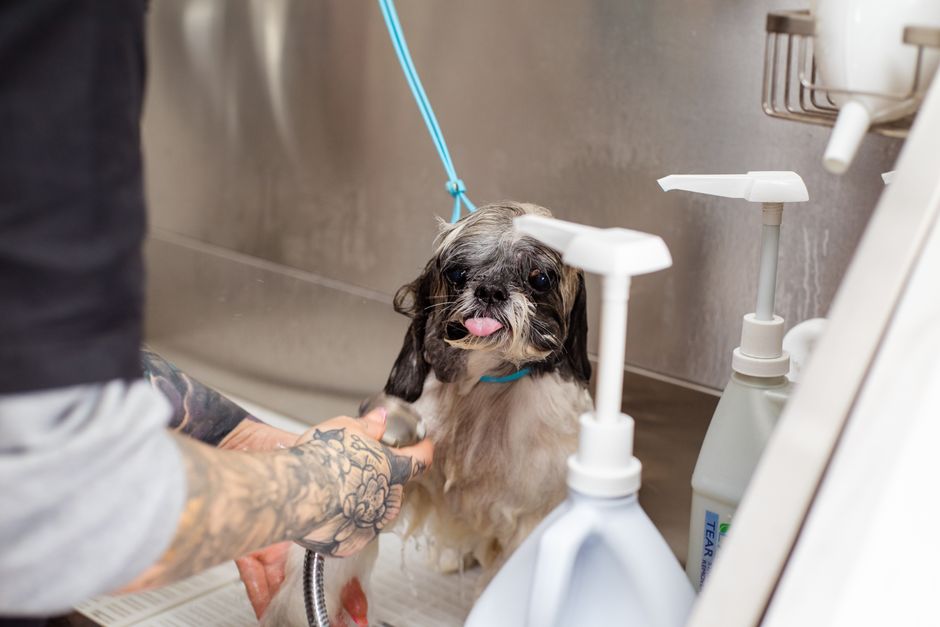
A calm, simple process makes bath time easier for both you and your dog. Prepare everything before turning on the water.
- Brush first: Remove loose fur and tangles before the coat gets wet.
- Use lukewarm water: Hot water can irritate skin, while cold water can make dogs anxious.
- Choose dog-safe shampoo: Use a gentle formula made specifically for dogs.
- Avoid eyes and ears: Clean the face carefully with a damp cloth if needed.
- Rinse thoroughly: Leftover shampoo can cause itching and flakes.
- Dry well: Towel dry, then use a pet-safe dryer on a low setting if your dog tolerates it.
- Reward generously: Treats and praise help your dog build a positive bath routine.
For nervous dogs, keep baths short. You can also place a non-slip mat in the tub, use a calm voice, and introduce water slowly. Some dogs do better with professional groomers, especially if they have thick coats, mats, or fear around water.
What to Do Between Baths
Between-bath care is what keeps your dog cleaner for longer. It also helps reduce the amount of hair, dander, and dirt that ends up around your home.
Brush and De-Shed Regularly
Brushing removes loose fur, spreads natural oils through the coat, and helps you spot skin issues early. For shedding dogs, the PetNest Home De-Shedding Glove is a simple, battery-free way to remove loose hair directly at the source while giving your dog a gentle massage.
Clean Paws After Walks
Paws bring in dust, grass, pollen, and outdoor grime. Keep a towel near the door and wipe paws after walks, especially during rainy or muddy seasons.
Wash Bedding and Blankets
Sometimes the dog is not the problem—the bedding is. Wash dog blankets, crate mats, and soft toys regularly to reduce odor and fur buildup.
Remove Embedded Fur from Furniture
Even a freshly bathed dog can leave hair behind. The PetNest Home Mini Fur Scraper is designed to lift stubborn, deeply embedded pet hair from carpets, couches, stairs, and car seats without batteries or wasteful sticky sheets.
If you share your home with several furry friends, read our practical guide on how to keep house clean with multiple pets.

Special Bathing Tips for Puppies, Senior Dogs, and Sensitive Dogs
Puppies
Puppies can be messy, but they also need gentle handling. Use a puppy-safe shampoo, keep the water shallow and warm, and avoid long baths. Make the experience positive with treats and calm praise.
Senior Dogs
Older dogs may have joint pain, thinner skin, or less patience for bath time. Use non-slip surfaces, support their body, and dry them thoroughly so they do not get chilled. Shorter, less stressful baths are often best.
Dogs with Allergies
Dogs with environmental allergies may benefit from more frequent rinsing or medicated baths, but only under veterinary guidance. The right shampoo and timing can make a big difference.
For broader dog care reading, resources such as A-Z Animals can be useful for learning more about breed traits, coats, and general pet care needs.
Common Mistakes to Avoid
- Using human shampoo: It can be too harsh for dogs.
- Skipping the brush before bathing: Wet tangles can tighten and become harder to remove.
- Not rinsing enough: Shampoo residue can irritate the skin.
- Bathing only because of shedding: De-shedding tools are usually more effective.
- Ignoring persistent odor: Bad smells can signal ear, dental, or skin problems.
FAQ: How Often Should You Bathe a Dog?
Is it okay to bathe my dog once a week?
Weekly baths may be too frequent for many healthy dogs and can dry out the skin. However, some dogs with medical skin conditions may need weekly baths if recommended by a veterinarian.
How often should you bathe a dog that smells?
If your dog smells because of dirt or outdoor play, a bath every 3 to 4 weeks may help. If the odor returns quickly after bathing, check with your vet to rule out skin, ear, or dental issues.
Do indoor dogs need baths?
Yes, but usually less often than outdoor dogs. Many indoor dogs do well with a bath every 6 to 8 weeks, plus regular brushing and bedding washes.
Should I bathe my dog during shedding season?
A bath can help loosen dead hair, but brushing and de-shedding are more important. Use a de-shedding glove before and after bathing to help remove loose fur before it spreads around your home.
Can I just rinse my dog with water?
Yes. If your dog is dusty, sandy, or muddy but not smelly, a water rinse may be enough. Just make sure to dry the coat well afterward.
What if my dog hates baths?
Start slowly. Let your dog explore the bathroom, reward calm behavior, use a non-slip mat, and keep sessions short. For highly anxious dogs, a professional groomer or vet can offer guidance.
Conclusion: Find the Bathing Routine That Fits Your Dog
So, how often should you bathe a dog? For many dogs, every 4 to 8 weeks is a healthy routine. Active, oily, or long-haired dogs may need baths more often, while short-haired indoor dogs may need fewer. The best schedule is the one that keeps your dog clean, comfortable, and free from skin irritation.
Remember: bathing is only one part of dog care. Regular brushing, de-shedding, paw cleaning, and home fur removal can keep your pet and your space fresher between baths.
Keep Your Dog and Home Fresher with PetNest Home
Ready to make grooming and cleanup easier? Explore PetNest Home’s reusable, battery-free grooming essentials: the Mini Fur Scraper for stubborn hair on couches and carpets, and the De-Shedding Glove to remove loose fur before it takes over your home.
Shop eco-friendly pet hair removal and grooming tools at PetNest Home and enjoy a cleaner, cozier home with your furry best friend.
Author Note
PetNest Home Editorial Team — Our team creates practical, pet-parent-friendly guides based on hands-on grooming experience, everyday home care routines, and trusted veterinary-informed best practices. We believe pet care should be simple, sustainable, and comfortable for both pets and their people.

