

Is Grain-Free Dog Food Safe? What Pet Parents Need to Know
If you have ever stood in the dog food aisle wondering whether grain-free dog food is safer, healthier, or more “natural,” you are not alone. Grain-free diets have become incredibly popular with pet parents who want the best for their dogs, especially those dealing with itchy skin, sensitive stomachs, or suspected food allergies.
But the question is important: is grain-free dog food safe? The short answer is: it depends on the dog, the formula, and the reason you are choosing it. Grain-free does not automatically mean better, and grain-inclusive does not automatically mean unhealthy.
In this guide from PetNest Home, we will walk through what grain-free dog food really means, when it may be helpful, when it may be risky, and how to make a smart feeding decision with your veterinarian’s guidance.
What Is Grain-Free Dog Food?
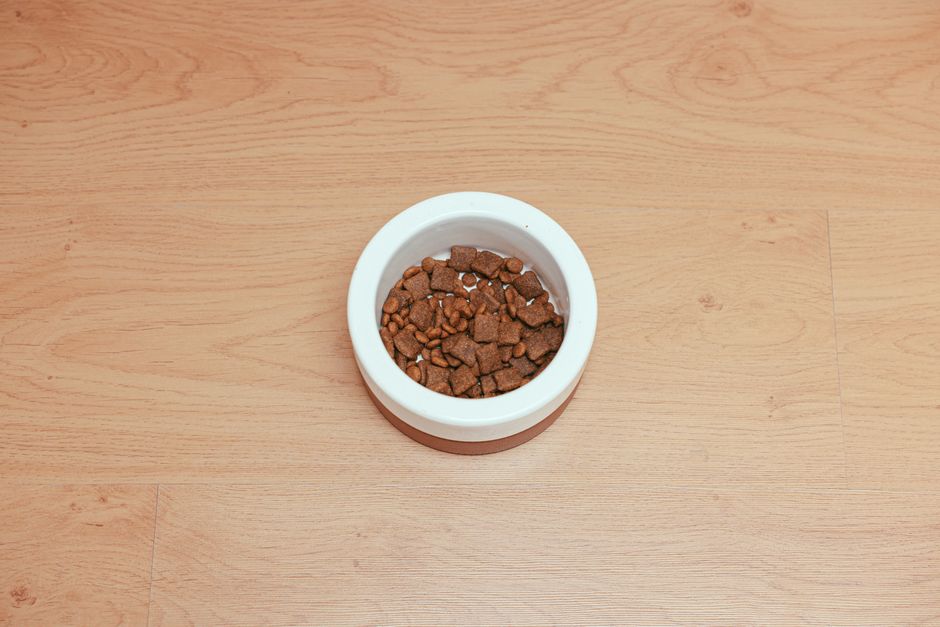
Grain-free dog food is made without common grains such as wheat, corn, rice, oats, barley, rye, or sorghum. Instead of grains, these formulas often use other carbohydrate sources, including:
- Peas
- Lentils
- Chickpeas
- Potatoes
- Sweet potatoes
- Tapioca
It is important to understand that grain-free does not mean carbohydrate-free. Dogs still need a balanced diet that includes protein, fats, vitamins, minerals, and often some source of digestible carbohydrates. Many grain-free foods simply replace grains with legumes or starchy vegetables.
Is Grain-Free Dog Food Safe for Dogs?
For some dogs, grain-free dog food can be safe when it is complete, balanced, and made by a reputable company that follows strong nutritional standards. However, it is not necessary for most healthy dogs.
The bigger concern is that some grain-free diets, especially those high in peas, lentils, and other legumes, have been investigated for a possible association with a heart condition called dilated cardiomyopathy, commonly known as DCM. DCM affects the heart muscle and can reduce the heart’s ability to pump blood effectively.
This does not mean every grain-free food causes heart disease. It also does not mean every dog eating grain-free food is in danger. But it does mean pet parents should be thoughtful and talk to a veterinarian before switching to or staying on a grain-free diet long term.
For a deeper look at general pet nutrition and health concerns, resources such as PetMD’s veterinary-reviewed pet health information and guidance from the American Veterinary Medical Association can be helpful starting points.
Why Did Grain-Free Dog Food Become Popular?
Grain-free dog food became popular for several reasons. Some were based on real pet health needs, while others came from marketing trends.
1. Concerns About Food Allergies
Many pet parents try grain-free food because their dog has itchy skin, ear issues, licking, digestive upset, or recurring hot spots. While food allergies can happen, true grain allergies are considered less common than allergies to certain animal proteins such as beef, chicken, or dairy.
If your dog is itchy or shedding heavily, food may be one factor, but it is not the only possible cause. Seasonal allergies, fleas, grooming habits, stress, and skin infections can also play a role. If loose fur is taking over your furniture, you may also want to read our practical guide on how to stop dog from shedding.
2. “Natural” or Wolf-Like Diet Marketing
Some brands promote grain-free diets as being closer to what wolves eat. However, modern domestic dogs are not wolves. Over thousands of years, dogs have adapted to living alongside humans and can digest a wider range of foods, including properly cooked grains.
3. Sensitive Stomach Support
Some dogs do better on certain grain-free recipes simply because that specific formula agrees with them. But the improvement may come from a different protein source, fewer ingredients, better quality control, or added digestive support—not necessarily the absence of grains.
Grain-Free vs. Grain-Inclusive Dog Food
Both grain-free and grain-inclusive dog foods can be healthy if they are complete and balanced. The best choice depends on your dog’s age, breed, health history, activity level, and veterinary advice.
| Feature | Grain-Free Dog Food | Grain-Inclusive Dog Food |
|---|---|---|
| Main carbohydrate sources | Peas, lentils, potatoes, chickpeas, tapioca | Rice, oats, barley, corn, wheat, sorghum |
| Best for | Dogs with a vet-confirmed need to avoid grains | Most healthy dogs when the formula is balanced |
| Common misconception | Always healthier or more natural | Always lower quality or “filler” based |
| Potential concern | Some formulas may be linked to DCM concerns | Not suitable for dogs with confirmed grain intolerance |
When Might Grain-Free Dog Food Be a Good Choice?
Grain-free dog food may be worth considering in specific situations, especially when recommended by a veterinarian.
Your Dog Has a Confirmed Grain Allergy
If your veterinarian has diagnosed a grain allergy through a proper elimination diet, avoiding the problem ingredient makes sense. However, guessing can be misleading. Many symptoms that look like food allergies may be caused by environmental allergies or other medical issues.
Your Dog Does Well on a Specific Formula
Some dogs thrive on a particular grain-free food. They may have healthy stools, steady energy, a shiny coat, and no signs of digestive upset. If this is the case, your vet may simply recommend monitoring your dog’s health and choosing formulas carefully.
Your Veterinarian Recommends It for a Medical Reason
In some cases, a vet may recommend a specific therapeutic or limited-ingredient diet. This is different from choosing a trendy grain-free food at random. Veterinary diets are formulated for particular health goals and should be used as directed.
When Should You Be Cautious About Grain-Free Dog Food?
You may want to be more cautious if your dog is on a grain-free food and any of the following apply:
- Your dog’s food lists peas, lentils, chickpeas, or potatoes among the first few ingredients.
- Your dog is a breed known to be at higher risk for heart conditions.
- Your dog has low energy, coughing, fainting, weakness, or trouble breathing.
- You switched to grain-free food without a clear medical reason.
- Your dog has not had a recent veterinary wellness exam.
If your dog seems unusually tired, withdrawn, uncomfortable, or “not like themselves,” do not assume it is just age or boredom. Our article is my dog sad or sick 5 signs your pup is in pain can help you recognize signs that deserve attention.
What About Heart Disease and Grain-Free Dog Food?
The grain-free dog food discussion is closely tied to DCM, a heart condition that has raised concern among veterinarians and pet parents. Some reported cases involved dogs eating boutique, exotic-ingredient, or grain-free diets, often with legumes or potatoes used heavily in the recipe.
Researchers are still working to understand the full picture. Diet formulation, ingredient balance, taurine status, breed genetics, and individual dog factors may all play a role. Because the issue is complex, it is best not to panic—but it is also best not to ignore it.
If your dog eats grain-free food, ask your veterinarian whether the diet is appropriate. They may recommend a physical exam, diet history review, bloodwork, taurine testing, or heart screening depending on your dog’s situation.
How to Choose a Safe Dog Food
Whether you choose grain-free or grain-inclusive, the goal is the same: a safe, complete, balanced diet that supports your dog’s long-term health.
Look for an AAFCO Nutritional Adequacy Statement
In the United States, reputable dog foods typically include an AAFCO statement showing whether the food is complete and balanced for a specific life stage, such as growth, adult maintenance, or all life stages.
Check the Ingredient List—but Do Not Stop There
Ingredients matter, but they do not tell the whole story. A food can look appealing on the label and still be poorly formulated. Instead of choosing based only on buzzwords, consider:
- Who formulated the diet?
- Does the company employ qualified veterinary nutrition experts?
- Does the brand conduct feeding trials or quality testing?
- Is customer support available for nutrition questions?
- Is the food appropriate for your dog’s age, size, and health needs?
Avoid Switching Foods Too Often
Frequent diet changes can upset your dog’s stomach and make it harder to identify what is helping or hurting. If you switch foods, transition gradually over 7 to 10 days unless your veterinarian advises otherwise.
Watch Your Dog’s Real-Life Results
A good food should support your dog’s daily wellbeing. Monitor:
- Energy level
- Stool quality
- Skin and coat condition
- Weight stability
- Appetite
- Itching, licking, or ear problems
Coat health is especially noticeable at home. Nutrition, grooming, and routine care all work together. At PetNest Home, we see every day how much easier pet care becomes when you combine healthy habits with practical tools like our reusable De-Shedding Glove and Mini Fur Scraper.

Signs Your Dog’s Food May Not Be Working
No diet is perfect for every dog. Contact your veterinarian if you notice:
- Ongoing vomiting or diarrhea
- Sudden weight loss or weight gain
- Dull coat or excessive hair loss
- Persistent itching or skin irritation
- Recurring ear infections
- Lethargy or weakness
- Coughing, fainting, or breathing changes
Some sounds and behaviors can also be confusing. If your dog makes unusual snorting or grunting noises, our guide on why is my dog grunting like a pig normal vs concerning signs may help you decide when it is time to call the vet.
Practical Tips Before Switching to Grain-Free Dog Food
If you are considering grain-free dog food, take these steps first:
- Talk to your veterinarian. Share your dog’s current food, treats, supplements, and symptoms.
- Identify your goal. Are you trying to solve itching, digestive upset, weight issues, or picky eating?
- Do not self-diagnose allergies. A true elimination diet should be structured and supervised.
- Research the brand. Choose companies that are transparent about formulation, testing, and quality control.
- Transition slowly. Mix the new food with the old food gradually to reduce stomach upset.
- Track changes. Keep notes on stool, appetite, scratching, coat quality, and energy.
FAQ: Is Grain-Free Dog Food Safe?
Is grain-free dog food better than regular dog food?
Not necessarily. Grain-free dog food is not automatically healthier than grain-inclusive food. A well-formulated grain-inclusive diet can be excellent for many dogs, while a poorly formulated grain-free diet may not be ideal.
Do dogs need grains in their diet?
Dogs do not specifically require grains, but they do need a complete and balanced diet. Many dogs digest grains such as rice, oats, and barley well. The overall nutrient balance matters more than whether the food contains grains.
Can grain-free dog food cause heart problems?
Some grain-free diets have been investigated for a possible link to dilated cardiomyopathy, especially formulas high in legumes or potatoes. The issue is still being studied, so pet parents should discuss long-term grain-free feeding with a veterinarian.
How do I know if my dog is allergic to grains?
The most reliable way is through a veterinarian-guided elimination diet. Symptoms like itching, ear infections, or digestive upset can have many causes, so it is best not to assume grains are the problem without proper evaluation.
Should I stop feeding grain-free food immediately?
Do not make sudden diet changes unless your veterinarian advises it. If your dog is eating grain-free food and you are concerned, schedule a vet visit and bring the food label or product details with you.
What is the safest dog food choice?
The safest choice is a complete and balanced food from a reputable brand that suits your dog’s life stage, health status, and individual needs. Your veterinarian can help you compare options and avoid unnecessary risks.
Conclusion: So, Is Grain-Free Dog Food Safe?
Grain-free dog food can be safe for some dogs, but it is not the best choice for every dog. The most important thing is not the marketing label on the bag—it is the quality of the formulation, your dog’s health needs, and your veterinarian’s guidance.
If your dog has a confirmed grain allergy or a medical reason to avoid grains, a carefully selected grain-free diet may be appropriate. If not, a high-quality grain-inclusive food may be just as healthy, and sometimes a more straightforward option.
As a pet parent, your best tools are observation, consistency, and trusted professional advice. Watch your dog’s energy, coat, digestion, and behavior. When in doubt, ask your vet before making major diet changes.
Keep Your Dog Healthy, Happy, and Fur-Free at Home
Nutrition is only one part of caring for your dog. Regular grooming helps keep your dog comfortable, reduces loose hair, and keeps your home cleaner. At PetNest Home, we create eco-friendly, reusable grooming and pet hair removal tools designed for real homes with real shedding.
Explore our battery-free Mini Fur Scraper for deeply embedded hair on carpets and couches, and our gentle De-Shedding Glove to help stop shedding at the source. Built to last, easy to use, and shipped worldwide.
Ready for a cleaner home and a happier pet? Visit PetNestHome.com and discover grooming tools made for everyday pet parents.
Author Note
Written by the PetNest Home Editorial Team. Our content is created to help pet parents make informed, practical decisions about pet care, grooming, and home cleanliness. This article is for educational purposes only and is not a substitute for veterinary advice. Always consult your veterinarian before changing your dog’s diet or if you notice concerning health symptoms.

