

Is Your Pet Shedding Too Much? Normal Shedding vs. Signs of Health Issues
If your sofa, sweater, car seats, and even your morning coffee seem to collect pet hair, you may be wondering: is my pet shedding too much? The short answer is: shedding is completely normal for most dogs and cats, but sudden, excessive, patchy, or itchy shedding can be a sign that something else is going on.
At PetNest Home, we help pet parents manage fur every day with reusable, eco-friendly grooming and pet hair removal tools. But we also believe that good fur control starts with understanding your pet’s coat, skin, and overall health. This guide will help you tell the difference between normal shedding and signs that it may be time to call your veterinarian.

Why Do Pets Shed?
Shedding is the natural process of old or damaged hair falling out so new hair can grow. Dogs and cats shed to maintain a healthy coat, regulate body temperature, and adapt to changes in daylight, weather, and indoor conditions.
Some pets shed lightly year-round, while others “blow their coat” seasonally and leave behind what feels like a second pet on your floor. Breed, coat type, age, hormones, diet, stress, and environment can all affect how much fur you see around the home.
What Is Normal Pet Shedding?
Normal shedding usually follows a predictable pattern for your pet. If your dog or cat has always left a fine layer of hair on the couch, that may simply be their baseline. The key is to notice what is normal for your pet, not just what is normal for the breed.
Common signs of normal shedding include:
- Loose hair appearing evenly across the body
- No bald spots or thinning patches
- Healthy-looking skin without redness, scabs, or flakes
- No sudden change in behavior, appetite, or energy
- Shedding that increases during spring or fall
- A coat that still looks shiny and smooth after brushing
Pets with double coats, such as Huskies, German Shepherds, Golden Retrievers, many mixed breeds, and some long-haired cats, often shed heavily during seasonal transitions. Indoor pets may shed more consistently throughout the year because artificial lighting and home temperatures can blur seasonal coat cycles.
When Is Shedding Too Much?
Excessive shedding is not always about the amount of hair alone. Some naturally heavy-shedding pets release a lot of fur but remain perfectly healthy. The bigger concern is a change in shedding pattern, especially if it comes with skin irritation, discomfort, or visible coat damage.
You should pay closer attention if you notice:
- Sudden increase in shedding without an obvious seasonal reason
- Bald spots, thinning hair, or uneven patches
- Red, inflamed, greasy, or flaky skin
- Constant scratching, licking, biting, or chewing
- Scabs, bumps, hot spots, or open sores
- Dull, brittle, or greasy coat texture
- Bad odor coming from the skin or coat
- Weight changes, low energy, or appetite changes
If you see any of these signs, your pet may be dealing with more than ordinary shedding. A veterinarian can check for allergies, parasites, infections, hormone issues, nutritional deficiencies, and other health concerns. Trusted veterinary resources such as the American Veterinary Medical Association also emphasize that changes in skin and coat can reflect broader health issues.
Normal Shedding vs. Possible Health Issue: Quick Comparison
| What You Notice | Likely Normal Shedding | Possible Health Concern |
|---|---|---|
| Hair loss pattern | Even shedding across the body | Patchy, circular, or uneven hair loss |
| Skin condition | Clear, calm skin | Redness, scabs, flakes, sores, or bumps |
| Pet behavior | Normal grooming and activity | Constant scratching, licking, chewing, or restlessness |
| Timing | Seasonal or consistent for your pet | Sudden or dramatic change |
| Coat appearance | Still soft, shiny, and healthy | Dull, brittle, greasy, or smelly coat |
| Next step | Improve grooming routine | Schedule a veterinary checkup |
Common Causes of Excessive Shedding in Dogs and Cats
1. Seasonal Coat Changes
Many pets shed more in spring as they lose their winter coat, and again in fall as their coat changes for cooler weather. During these times, daily brushing can make a huge difference. Instead of waiting for fur to collect on carpets and couches, remove loose hair directly from the coat before it spreads through your home.
2. Poor Nutrition
A healthy coat starts with balanced nutrition. Diets lacking adequate protein, essential fatty acids, vitamins, or minerals may lead to dull fur, dry skin, and increased shedding. If you suspect your pet’s food may not be meeting their needs, speak with your veterinarian before switching diets or adding supplements.
3. Fleas, Mites, and Other Parasites
Fleas and mites can cause intense itching, skin irritation, and hair loss. Some pets are especially sensitive to flea saliva, and even a small number of bites may trigger excessive scratching. If shedding is paired with chewing near the tail base, red skin, or tiny black specks in the coat, parasites may be involved.
4. Allergies
Pets can be allergic to environmental triggers such as pollen, dust mites, mold, or certain ingredients in food. Allergies often show up as itchy skin, ear problems, paw licking, hot spots, and hair loss. Veterinary sites such as PetMD’s pet health resources provide helpful overviews, but a proper diagnosis should always come from your veterinarian.
5. Stress and Anxiety
Stress can cause pets to shed more than usual. Moving homes, new pets, loud noises, travel, separation anxiety, or changes in routine can all affect the coat. Cats in particular may overgroom when stressed, creating thin or bald patches on the belly, legs, or sides.
6. Hormonal or Medical Conditions
Some medical problems can affect coat growth and shedding. Thyroid disease, Cushing’s disease, hormonal changes after pregnancy, skin infections, and immune-related conditions may all contribute to abnormal hair loss. These concerns require veterinary evaluation and treatment.
How to Manage Normal Shedding at Home
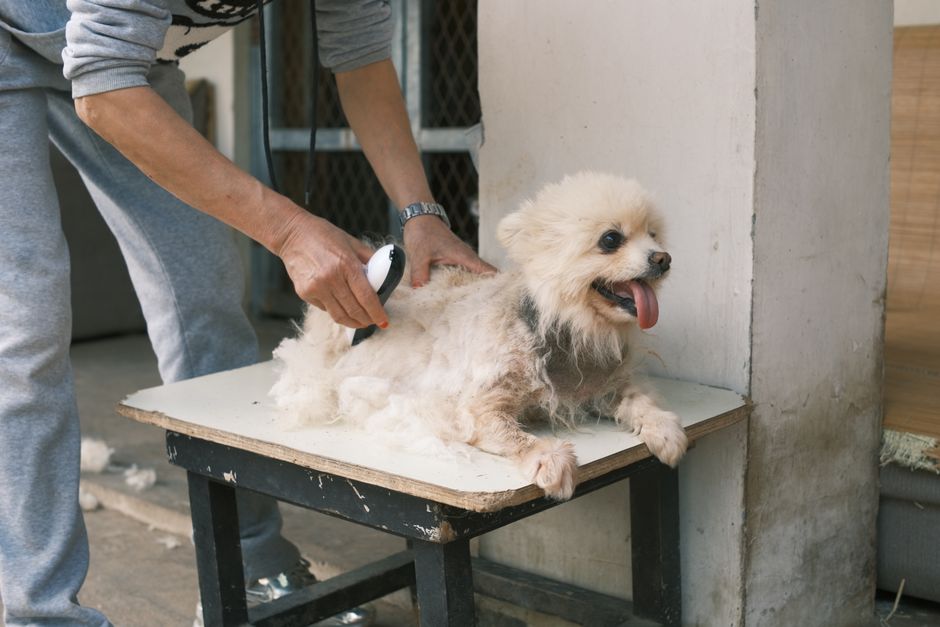
While you cannot stop healthy shedding completely, you can reduce the amount of loose fur on your furniture, clothes, and floors. The goal is simple: remove loose hair before it becomes household mess.
Brush or Groom Regularly
Regular brushing is one of the most effective ways to manage shedding. Short-haired pets may need brushing a few times per week, while long-haired or double-coated pets may benefit from daily grooming during heavy shedding seasons.
For pets who dislike traditional brushes, a grooming glove can feel more like gentle petting than a grooming session. PetNest Home’s reusable pet hair cleaning and collection gloves pet double sided multi functional beauty glove tool reduce the pressure of pet ownership help lift loose fur directly from the coat while giving your pet a calming massage-like experience.
Clean Embedded Fur from Fabrics
Even with great grooming, fur will still find its way onto carpets, couches, stairs, pet beds, and car interiors. A reusable manual scraper is ideal for stubborn hair that vacuums often leave behind.
The PetNest Home Mini Fur Scraper, also known as our portable manual hair removal agent carpet wool coat clothes shaver brush tool depilatory ball knitting plush double sided razor, is battery-free, compact, and designed to pull deeply embedded fur from fabric surfaces quickly. It is a practical choice for pet parents who want a cleaner home without disposable lint rollers.
Keep Your Pet Hydrated
Dehydration can make skin dry and flaky, which may worsen shedding. Make sure your pet always has access to fresh water. Cats sometimes drink more when offered a fountain, multiple bowls, or wet food as part of their diet.
Feed a Balanced Diet
Choose a high-quality diet appropriate for your pet’s species, life stage, and health needs. Avoid making sudden food changes, and ask your veterinarian before adding oils or supplements, especially if your pet has a medical condition.
Bathe Only When Needed
Bathing can help remove loose fur and allergens, but too much bathing or the wrong shampoo may dry out the skin. Use pet-safe shampoos and follow your vet’s advice if your pet has sensitive or itchy skin.
Control Odor Along with Fur
Shedding and pet odor often appear together, especially on soft furnishings and pet bedding. If your home still smells “petty” after removing fur, read our guide on how to get rid of pet odor in house for practical cleaning tips.

When to Call the Veterinarian
It is always better to ask your vet early than to wait until a skin problem becomes painful or harder to treat. Book a veterinary appointment if your pet’s shedding is paired with visible skin changes, discomfort, or a sudden shift in health.
Contact your veterinarian if you notice:
- Bald patches or rapidly thinning fur
- Bleeding, open sores, or infected-looking skin
- Severe itching or chewing
- Hair loss around the eyes, ears, tail, or belly
- Strong skin odor or greasy buildup
- Changes in thirst, appetite, weight, or energy
- Shedding that does not improve with routine grooming
Your vet may recommend a skin exam, flea check, allergy discussion, blood work, diet review, or other tests depending on your pet’s symptoms. The right treatment depends on the cause, so avoid guessing or using human skin products on pets.
Creating a Simple Shedding Routine
A consistent routine keeps your pet more comfortable and your home easier to maintain. Here is a realistic weekly plan many pet parents can follow:
- Daily: Quick check for itching, redness, or unusual hair loss.
- 2–5 times weekly: Use a grooming glove or brush to remove loose coat hair.
- Weekly: Wash pet bedding and clean favorite resting spots.
- As needed: Use a fur scraper on couches, carpets, stairs, and car seats.
- Monthly: Review coat condition, skin health, diet, and parasite prevention.
This routine does not need to be complicated. A few minutes of grooming and fabric cleaning can prevent fur from building up and help you spot health changes earlier.
FAQ: Pet Shedding Too Much
Is it normal for my dog to shed every day?
Yes, many dogs shed every day, especially short-haired breeds and indoor pets. Daily shedding is usually normal if the coat looks healthy, the skin is calm, and your dog is not excessively itchy.
Do cats shed more when stressed?
Yes. Stress can contribute to increased shedding or overgrooming in cats. If your cat is licking one area repeatedly or developing bald spots, contact your veterinarian.
Can grooming reduce shedding?
Grooming cannot stop natural shedding, but it can greatly reduce loose fur around your home. Regular brushing or grooming with a de-shedding glove removes hair before it lands on furniture, clothes, and floors.
Why is my pet shedding more after winter?
Many pets shed heavily in spring as they lose their thicker winter coat. This seasonal shedding can be intense but is usually normal if the skin remains healthy and the hair loss is even.
Can too much shedding mean my pet is sick?
Sometimes. Excessive shedding with bald spots, itching, red skin, sores, odor, or changes in behavior may signal allergies, parasites, infection, stress, or a medical condition. A vet exam is the safest next step.
What is the best tool for removing pet hair from couches and carpets?
For deeply embedded fur, a reusable manual fur scraper often works better than a standard lint roller. PetNest Home’s Mini Fur Scraper is designed for carpets, couches, pet beds, and other fabric surfaces where stubborn fur collects.

Conclusion: Shedding Is Normal, But Changes Matter
Most shedding is a healthy part of life with a dog or cat. Seasonal coat changes, breed traits, and indoor living can all lead to plenty of loose fur. However, sudden shedding, bald patches, irritated skin, strong odor, or constant scratching should not be ignored.
The best approach is a combination of observation, regular grooming, smart home cleaning, and veterinary care when something seems off. By learning your pet’s normal shedding pattern, you can keep them comfortable and catch potential health issues sooner.
Ready to Make Pet Hair Cleanup Easier?
Explore PetNest Home’s eco-friendly, battery-free grooming and fur removal tools designed for real pet homes. Use our De-Shedding Glove to reduce loose fur at the source, then tackle embedded hair on sofas, carpets, and car seats with our viral Mini Fur Scraper. Reusable, durable, and shipped worldwide.
Visit PetNestHome.com today and build a cleaner, cozier home for you and your pet.
Author Note
Written by the PetNest Home Editorial Team. Our team creates practical, pet-friendly home care guides based on everyday grooming experience, responsible product knowledge, and trusted veterinary resources. This article is for educational purposes only and is not a substitute for professional veterinary advice.

