

Can the Wrong Harness Make Pulling Worse?
If you own a large, powerful dog, you already know how quickly a simple walk can turn into a full-body workout. One squirrel, one excited greeting, one unexpected dog across the street, and suddenly you are bracing your feet, tightening your grip, and hoping you can keep control.
So, can the wrong harness make pulling worse? Yes, it can. A poorly designed or poorly fitted harness may encourage your dog to lean into the leash, give you less steering control, or make lunging and jumping harder to manage. For strong dogs, the wrong walking gear can be the difference between a calm walk and a stressful tug-of-war.
The good news is that the right harness can help. It will not magically train your dog overnight, but a heavy-duty no-pull control harness can reduce neck pressure, improve leash control, and give owners more confidence while working on better walking habits.
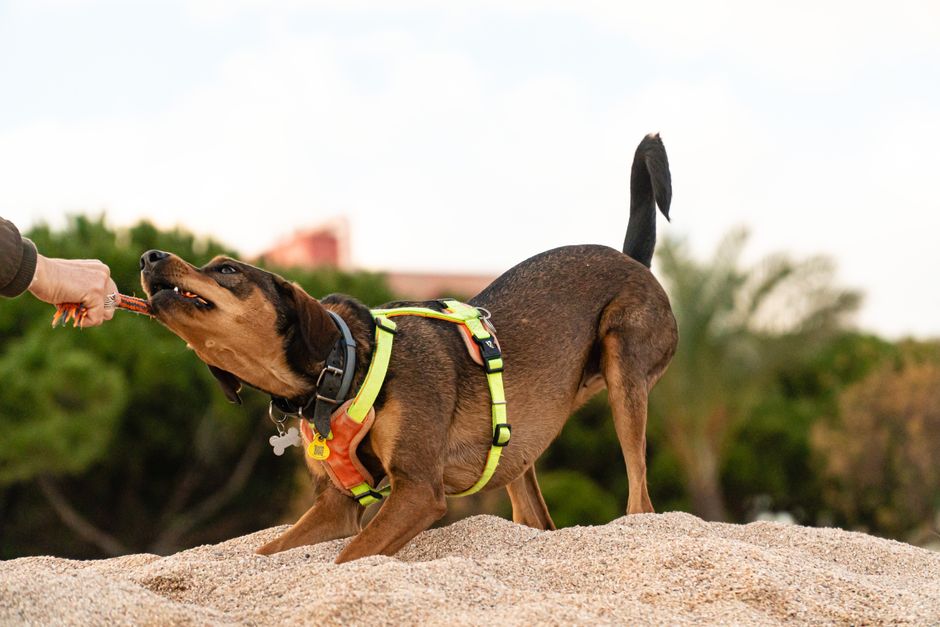
Why Strong Dogs Pull So Hard
Pulling is common, especially in large, energetic dogs. Many dogs pull because the outside world is exciting. There are smells to follow, people to greet, animals to chase, and places to explore. When pulling gets them closer to what they want, the behavior can become a habit.
For big dogs, the problem feels more serious because their strength can overpower the handler. A small dog pulling may be annoying. A large dog pulling, lunging, or jumping can become a safety concern for the owner, the dog, and people nearby.
Common walking problems include:
- Dragging the owner down the sidewalk
- Lunging toward dogs, people, bicycles, or wildlife
- Jumping when excited
- Choking or coughing on a collar
- Twisting out of loose walking gear
- Owner anxiety before every walk
Training matters, but equipment matters too. If your gear gives your dog more leverage than it gives you, walks can quickly become harder than they need to be.
How the Wrong Harness Can Make Pulling Worse
Not all harnesses are designed for control. Some are made mainly for comfort, style, or casual walking. That may be fine for a calm dog, but it may not be enough for a strong dog that pulls hard.
1. Back-Clip Harnesses Can Encourage Forward Pulling
A back-clip harness has the leash attachment on the dog’s back. This style is comfortable and easy to use, but for some powerful dogs, it can actually make pulling feel easier.
Think of sled dogs. They pull from the body, using their chest and shoulders. A basic back-clip harness can allow a strong dog to lean forward with full power, especially if the harness does not include a control handle or front attachment option.
This does not mean every back-clip harness is bad. Back clips can be useful for relaxed walking, hiking, or dogs that already have good leash manners. But if your main problem is pulling, a back-only design may not give you enough help.
2. Poor Fit Allows Twisting, Slipping, and Poor Control
A harness that is too loose may shift from side to side, slide around the shoulders, or allow your dog to back out of it. A harness that is too tight can rub, restrict movement, or make your dog uncomfortable.
Fit is especially important for large breeds because their strength magnifies small equipment problems. If the harness moves every time your dog pulls, you lose clear leash communication. Instead of guiding the dog, you end up fighting shifting straps.
3. Narrow Straps Can Create Pressure Points
Thin straps may dig into the chest, armpits, or shoulders when a dog lunges. This can cause discomfort and may make some dogs more frustrated or reactive during walks.
A good control harness should spread pressure across stronger areas of the body instead of concentrating it in one small area. Padding, wide straps, and strong adjustment points can make a noticeable difference for both safety and comfort.
4. Lack of Front-Clip Control Makes Steering Harder
A front-clip harness attaches the leash at the dog’s chest. When the dog pulls, the front connection can gently redirect the body back toward you instead of allowing the dog to drive straight ahead.
This does not replace training, but it can make training easier. With a front clip, you can interrupt forward momentum sooner, guide your dog’s shoulders, and reward calmer walking before the pulling turns into a battle.
Collars vs Harnesses: Why Neck Pressure Matters
Many owners start with a collar because it is simple. Collars are useful for identification tags and calm dogs, but they are not always ideal for strong pullers. When a powerful dog hits the end of the leash on a collar, pressure is focused on the neck and throat.
This can lead to coughing, gagging, or increased stress during walks. For dogs that lunge suddenly, collar pressure may also feel alarming, which can add frustration to an already emotional situation.
Veterinary resources such as VCA Hospitals often discuss the importance of choosing safe, appropriate walking equipment based on a dog’s size, health, and behavior. If your dog has breathing, neck, spine, or trachea concerns, speak with your veterinarian about the safest walking setup.
A harness helps move leash pressure away from the neck and onto the chest and body. For large dogs that pull, this can make walks feel safer and more manageable.
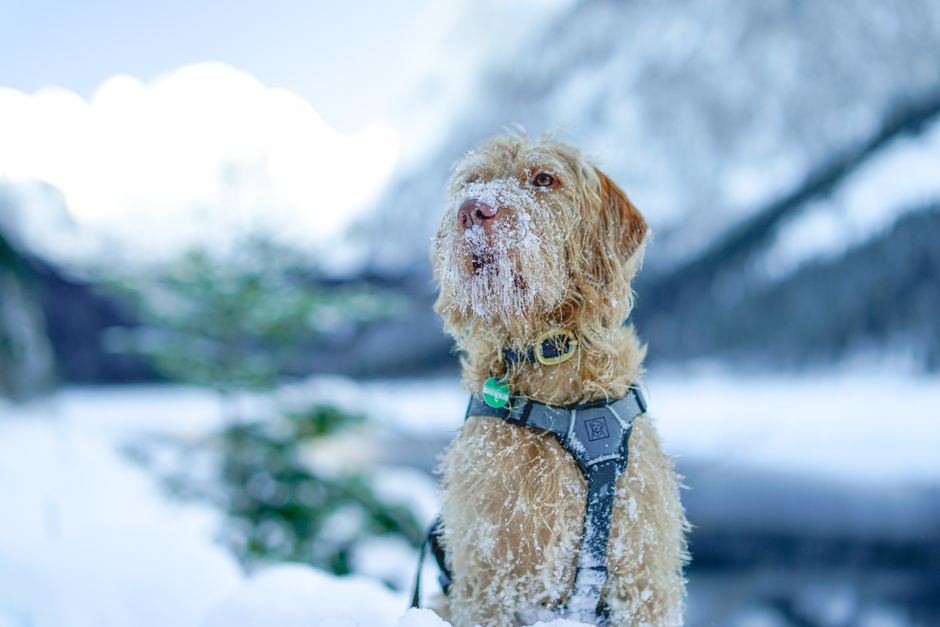
Front-Clip vs Back-Clip Harness: Which Is Better for Pulling?
The best harness for a strong pulling dog often includes both front and back leash attachment points. This gives you options depending on the walk, environment, and training goal.
| Harness Type | Best For | Possible Problem |
|---|---|---|
| Front-Clip Harness | Reducing pulling, redirecting lunges, improving steering control | May need adjustment to avoid shifting if the fit is poor |
| Back-Clip Harness | Relaxed walks, jogging, hiking, trained dogs with good leash manners | Can allow strong dogs to lean forward and pull harder |
| Dual-Clip Harness | Strong dogs, training, flexible control in different environments | Works best when fitted correctly and paired with consistent training |
For many large dogs, a dual-clip no-pull harness gives the best balance. You can use the front clip for busy streets, training sessions, or reactive moments, and the back clip for calmer walks or open areas.
Signs Your Current Harness May Be Making Walks Harder
Your dog’s harness may not be helping if you notice these problems:
- Your dog pulls harder than before
- The harness twists sideways when tension is on the leash
- Your dog can still throw their full weight forward
- The straps rub behind the front legs
- Your dog coughs, gags, or seems uncomfortable
- You feel like you have no steering control
- Your dog can slip backward out of the harness
If several of these sound familiar, the issue may not be your dog’s stubbornness alone. The harness may simply be giving your dog too much leverage and giving you too little control.
What to Look for in a Harness for Large, Strong Dogs
A good harness for big dogs should be built for strength, control, and comfort. Look for features that help you manage real walking situations, not just features that look nice in photos.
Heavy-Duty Materials
Large dogs need durable buckles, strong stitching, and secure leash attachment points. Lightweight fashion harnesses may not be suitable for dogs that lunge or pull with force.
Front and Back Leash Clips
A front clip helps reduce pulling and improve direction control. A back clip gives you a standard walking option when your dog is calmer. Having both makes the harness more versatile.
Comfortable Chest and Shoulder Fit
The harness should control the chest without restricting natural shoulder movement. It should sit securely without rubbing the armpits or pressing into the throat.
Adjustable Straps
Large dogs come in many shapes. A deep-chested Boxer, a broad Rottweiler, and a tall German Shepherd may all need different adjustments. Multiple adjustment points help create a safer fit.
Control Handle
A sturdy handle can be helpful when you need close control, such as passing another dog, loading into a car, visiting the vet, or navigating crowded areas.
If you want a walking setup designed specifically for powerful dogs, the Big Dog Control Harness is built to help owners manage pulling, jumping, and excited outdoor behavior without putting pressure on the dog’s neck.
Practical Tips to Stop Fighting the Leash
The right harness helps, but your walking habits matter too. Strong dogs respond best when equipment and training work together.
Start Before Your Dog Pulls
Do not wait until your dog is already at full strength. Reward your dog while the leash is still loose. Change direction before they lock onto a distraction. Create small wins early in the walk.
Use Short, Calm Training Sessions
If your dog is reactive or easily excited, long walks may create too many chances to practice pulling. Try shorter, more focused walks where you reward attention, calm movement, and check-ins.
Keep the Leash Short but Not Tight
A constantly tight leash teaches your dog that tension is normal. Keep enough leash for natural movement, but short enough that you can guide your dog before they build momentum.
Practice Direction Changes
When your dog pulls, calmly turn and walk the other way. This teaches them that pulling does not move them toward the exciting thing. With a front-clip harness, direction changes usually feel smoother and safer.
Reward the Behavior You Want
Bring high-value treats or use praise if your dog responds well to it. Reward your dog for walking beside you, looking back at you, or staying calm near triggers. Training guides from WagWalking also emphasize consistency and positive reinforcement when building better leash manners.
For a deeper look at how no-pull designs support training, you can read our guide: can a no pull harness help with leash pulling.
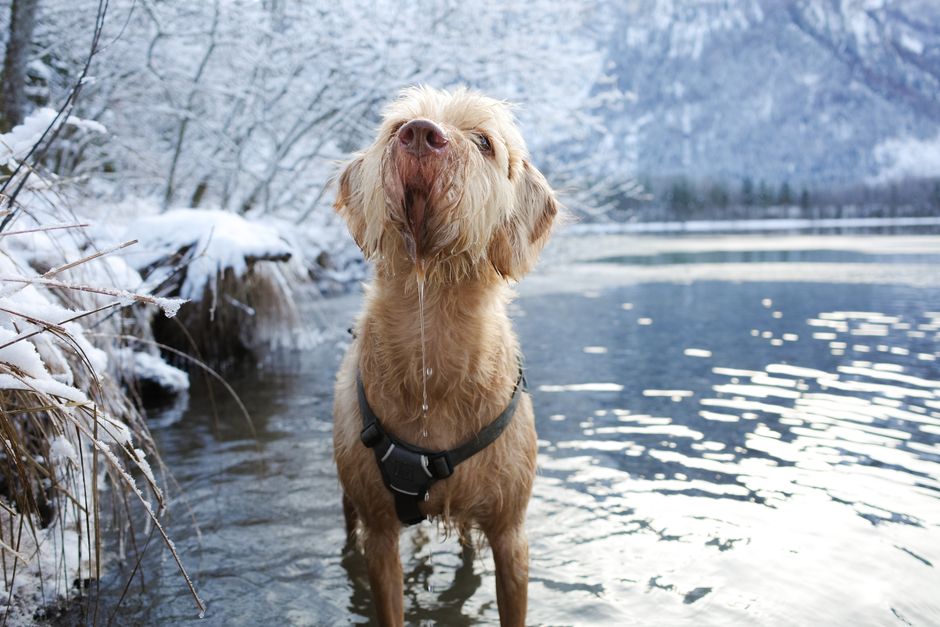
Can Puppies and Young Dogs Use a Harness?
Yes, many puppies can start wearing a properly fitted harness at a young age, especially for gentle introduction and safe walking practice. However, the harness should be lightweight, comfortable, and adjusted as the puppy grows.
For large-breed puppies, early leash habits matter. A cute puppy that pulls today can become a very strong adult dog that pulls tomorrow. If you are unsure when to begin, our helpful article on at what age can a dog start wearing a harness explains what owners should consider.
FAQ: Harnesses and Pulling in Strong Dogs
Can a harness really make my dog pull more?
Yes, some harnesses can make pulling worse, especially basic back-clip harnesses that allow a strong dog to lean forward with their chest and shoulders. If the harness gives your dog more power and gives you less control, it may not be the right choice.
Is a front-clip harness better for a dog that lunges?
A front-clip harness can help because it redirects your dog’s forward motion and gives you better steering control. It is not a cure for reactivity, but it can make training safer and more manageable.
Should I stop using a collar completely?
Not necessarily. Collars are useful for ID tags and calm situations. However, for strong dogs that pull or lunge, attaching the leash to a harness can reduce pressure on the neck and give better body control.
How tight should a dog harness be?
A harness should be snug but not restrictive. You should usually be able to fit two fingers between the harness and your dog’s body. It should not slide around, dig into the skin, or restrict shoulder movement.
Will a no-pull harness train my dog by itself?
No. A no-pull harness is a tool, not a complete training plan. It can make pulling easier to manage, but the best results come from consistent training, rewards, calm handling, and regular practice.
Conclusion: The Right Harness Can Change the Whole Walk
So, can the wrong harness make pulling worse? Absolutely. A poorly fitted or back-only harness may give your dog more leverage, reduce your control, and make walks feel more stressful. For large, strong dogs, the right equipment is not just about convenience. It is about safety, comfort, and confidence.
A well-designed no-pull control harness helps move pressure away from the neck, improves chest and shoulder guidance, and gives owners better control during real-life walking challenges like pulling, lunging, jumping, and sudden excitement.
If you are tired of fighting the leash and want calmer, safer, more confident walks with your big dog, choose a harness built for strength and control. Start with the right gear, add consistent training, and make every walk feel more enjoyable again.
Ready for Safer, Easier Walks?
Give yourself better control and give your dog a more comfortable walking experience. Explore the Big Dog Control Harness from PetNest Home and take the first step toward calmer daily walks, training sessions, park visits, and outdoor adventures.
Stop fighting the leash. Start enjoying the walk.
Author Note
Written by the PetNest Home Editorial Team. Our content is created to help dog owners make safer, more confident choices for everyday pet care, walking, training, and home life.

