

Do I Still Need Training If I Use a No-Pull Harness?
If you own a large, strong dog that pulls, lunges, jumps, or gets overly excited on walks, you already know how stressful leash time can become. One moment you are enjoying fresh air, and the next you are bracing your feet, gripping the leash with both hands, and hoping your dog does not drag you toward another dog, person, squirrel, or moving car.
A no-pull harness can make a huge difference. It can reduce pressure on your dog’s neck, give you better control through the chest and shoulders, and make walks feel safer almost immediately. But does that mean you can skip training altogether?
The short answer is: no. A no-pull harness is a powerful walking tool, but it is not a complete replacement for training. The best results happen when you use the right harness and teach your dog what you want them to do instead of pulling.
What a No-Pull Harness Actually Does
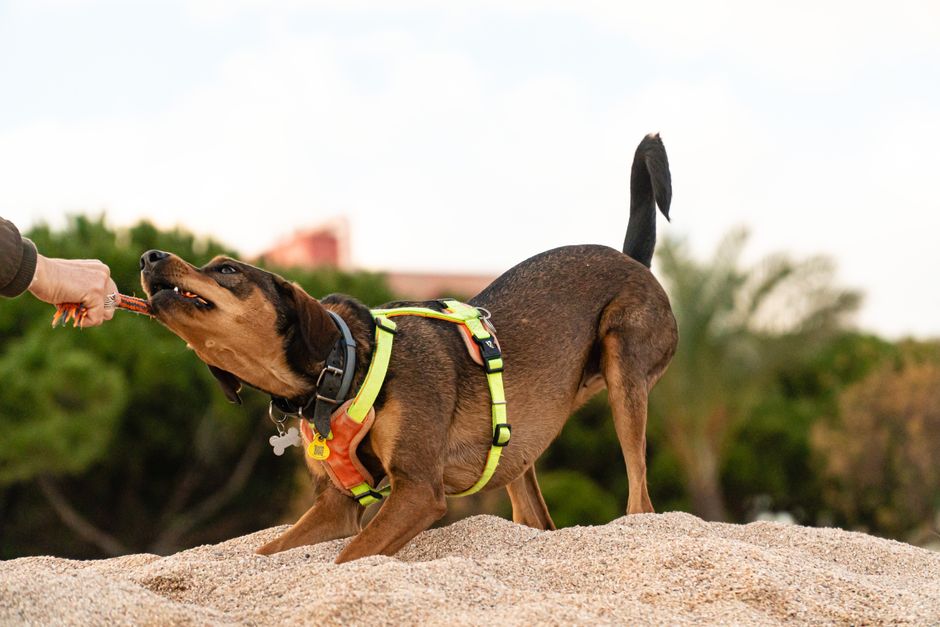
A no-pull harness is designed to help redirect your dog’s pulling force. Instead of attaching the leash only at the collar, where pressure is concentrated around the neck, a harness spreads control across the body, usually around the chest and torso.
For big dogs, this matters. A strong dog pulling from a collar can create uncomfortable neck pressure and may increase the risk of coughing, gagging, or strain. A well-fitted harness helps move leash pressure away from the throat and gives the owner more control over the dog’s body movement.
Many no-pull harnesses include a front clip on the chest. When your dog pulls forward, the leash connection gently turns their body slightly back toward you. This makes pulling less rewarding and helps you regain direction without yanking on the neck.
What a No-Pull Harness Does Not Do
A no-pull harness does not magically teach your dog leash manners. It helps manage pulling, but your dog still needs to learn skills like:
- Walking near you without constant tension on the leash
- Checking in with you around distractions
- Staying calm when another dog passes
- Not jumping on people during walks
- Responding to cues such as “heel,” “wait,” “leave it,” or “let’s go”
Think of the harness as better steering and safer brakes. Training is still the driving lesson.
Why Training Still Matters for Strong Dogs
Large dogs do not need to be aggressive to be difficult to walk. Excitement alone can create real safety problems. A friendly 80-pound dog lunging to greet another dog can still knock over an owner, scare a passerby, or create a tense interaction.
Training gives your dog a clear plan. Instead of deciding on their own to pull toward every exciting thing, your dog learns to look to you for guidance. This builds confidence for both of you.
Reliable leash training also helps your dog understand that calm walking gets them what they want: movement, sniffing, praise, and access to the world. Pulling, on the other hand, should stop forward progress.
Harness vs. Training: What Each One Solves
| Walking Problem | How a No-Pull Harness Helps | Why Training Is Still Needed |
|---|---|---|
| Leash pulling | Redirects pulling force and improves control | Teaches your dog to walk with a loose leash |
| Neck pressure from collars | Moves pressure away from the throat | Teaches calm walking so pressure is reduced overall |
| Lunging at dogs or people | Gives you better body control | Builds focus, impulse control, and calmer reactions |
| Jumping during walks | Helps keep the dog closer and easier to manage | Teaches polite greetings and self-control |
| Owner confidence | Makes walks feel safer and more manageable | Creates long-term habits and predictable behavior |
Front-Clip vs. Back-Clip Harnesses
One of the most important choices is whether to use the front clip, back clip, or both.
Front-Clip Harness
A front-clip harness attaches the leash at the chest. This is often the best option for dogs that pull hard because it helps guide the dog back toward you when they surge forward. It gives you more influence over the shoulders and chest, which is especially helpful with large, powerful dogs.
Back-Clip Harness
A back-clip harness attaches the leash on the dog’s back. This can be comfortable for casual walks and dogs that already have decent leash manners. However, for strong pullers, a back clip may allow the dog to lean into the harness and pull harder, almost like a sled dog.
Dual-Clip Harness
Some heavy-duty harnesses offer both front and back leash attachment points. This gives you flexibility. You can use the front clip for training and control, then use the back clip for calmer walks, hiking, or adventures once your dog is more reliable.
If you want a deeper look at how harnesses can support leash manners, you may find this guide helpful: can a no pull harness help with leash pulling.

How to Train While Using a No-Pull Harness
You do not need complicated training sessions to make progress. Short, consistent practice during everyday walks can create big improvements over time.
1. Reward Loose Leash Walking
When the leash is loose, praise your dog and offer a treat or allow them to sniff. This teaches them that walking calmly keeps the fun going.
2. Stop When They Pull
If your dog hits the end of the leash and starts dragging you, stop moving. Wait for them to turn back, soften the leash, or check in. Then continue walking. This teaches that pulling does not create forward motion.
3. Change Direction
If your dog becomes fixated on something ahead, calmly turn and walk the other way. The front clip can help you guide their chest and shoulders without a harsh correction.
4. Practice Around Low-Level Distractions
Do not start training right next to the dog park gate if your dog loses control there. Begin at a distance where your dog can still think, eat treats, and respond to you. Gradually decrease the distance as they improve.
5. Use Clear, Simple Cues
Use consistent words such as “let’s go,” “with me,” or “leave it.” Keep your voice calm and upbeat. Strong dogs often become more excited when owners sound tense or frustrated.
General training guidance from veterinary and dog behavior professionals can also support your progress. For example, VCA Hospitals’ dog training basics emphasize consistency, rewards, and clear communication.
Fit Matters: A Harness Only Works Well If It Fits Correctly
A heavy-duty no-pull harness should feel secure without restricting your dog’s natural movement. A poor fit can cause rubbing, slipping, or reduced control.
Check these fit points before every walk:
- The chest strap sits comfortably and does not press into the throat.
- You can fit about two fingers between the harness and your dog’s body.
- The harness does not slide around when your dog moves.
- The shoulder area allows natural movement.
- The leash clip is strong and properly positioned.
If your dog is still growing, you may also want to learn more about when harness use is appropriate for younger dogs here: at what age can a dog start wearing a harness.
Real-World Walking Tips for Big, Excitable Dogs
When you are walking a strong dog, small habits make a big difference. The goal is not to overpower your dog. The goal is to set up the walk so your dog can succeed.
- Use a sturdy leash: Avoid thin, weak, or overly long leashes when training a powerful puller.
- Keep your leash short but relaxed: Do not hold constant tension, but keep enough control to respond quickly.
- Stand sideways if your dog lunges: This gives you better balance than facing forward with locked arms.
- Avoid crowded routes at first: Choose quieter streets while building skills.
- Let your dog sniff as a reward: Sniffing is mentally enriching and can help reduce excitement.
- Stay calm: Your dog can feel your tension. Breathe, pause, and reset when needed.
What About Reactive Walking?
Reactive walking usually means your dog barks, lunges, growls, whines, or becomes overly intense when they see triggers such as dogs, people, bikes, or wildlife. A no-pull harness can help you manage your dog more safely, but reactivity needs training too.
For reactive dogs, distance is your friend. If your dog explodes at ten feet, practice at thirty or forty feet. Reward calm looking, turning away, or checking in with you. Over time, your dog can learn that triggers do not require a big reaction.
Helpful training resources, such as WagWalking leash training guidance, often focus on patience, consistency, and rewarding the behavior you want instead of only correcting the behavior you dislike.
When a No-Pull Harness Can Make Training Easier
Training a strong puller on a flat collar can be frustrating and physically difficult. If your dog is constantly choking, coughing, or throwing their weight forward, it is hard to focus on learning. A no-pull control harness can create a safer starting point.
With better chest and shoulder control, you may feel more confident practicing loose leash walking. Your dog may also be less physically wound up because the pressure is not concentrated on the neck. That calmer foundation can make training more productive.
This is where a heavy-duty harness becomes more than a walking accessory. It becomes part of your training system.
FAQ: No-Pull Harnesses and Training
Can a no-pull harness stop pulling completely?
It can reduce pulling and make your dog easier to control, but most dogs still need training to learn long-term leash manners. The harness helps manage the behavior while you teach better habits.
Is a no-pull harness better than a collar for a strong dog?
For many strong pullers, yes. A harness reduces direct pressure on the neck and gives you more control through the body. Collars may still be useful for ID tags, but they are often not ideal as the main control point for powerful dogs that pull.
Should I use the front clip or back clip?
Use the front clip if your dog pulls, lunges, or needs more guidance. Use the back clip for calmer walks or dogs with better leash manners. A dual-clip design gives you the most flexibility.
Can my dog wear a no-pull harness all day?
A harness is best used for walks, training, travel, and supervised activities. Remove it during long rest periods unless your veterinarian or trainer advises otherwise. This helps prevent rubbing and keeps your dog comfortable.
What if my dog still pulls in a harness?
Check the fit, use the front clip, shorten your training sessions, and reward loose leash moments often. If pulling is intense or linked to fear or reactivity, consider working with a qualified positive-reinforcement trainer.
Conclusion: The Harness Helps, Training Completes the Picture
So, do you still need training if you use a no-pull harness? Yes—but the right harness can make training safer, easier, and far less frustrating.
A no-pull harness helps reduce neck pressure, improve leash control, and guide your dog’s chest and shoulders. Training teaches your dog how to walk calmly, respond around distractions, and enjoy the world without dragging you through it.
For owners of large, strong dogs, that combination can change everything. Instead of fighting the leash, you can start building calmer, more confident walks one step at a time.
Ready for Safer, More Confident Walks?
If your big dog pulls, jumps, lunges, or gets too excited outside, consider upgrading to a heavy-duty no-pull control harness built for strength, comfort, and better handling. The Big Dog Control Harness is designed to help you regain control without putting pressure on your dog’s neck, so daily walks, training sessions, parks, and outdoor adventures feel easier for both of you.
Stop fighting the leash. Start enjoying the walk again.
Author Note
Written by the PetNest Home Editorial Team. Our content is created to help dog owners make safer, more confident choices for everyday walking, training, and pet care.

